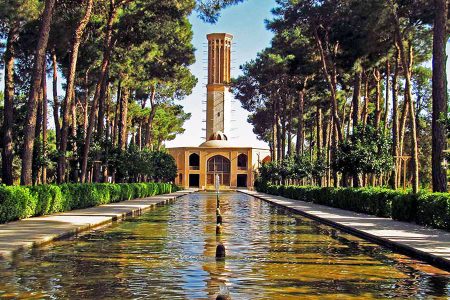
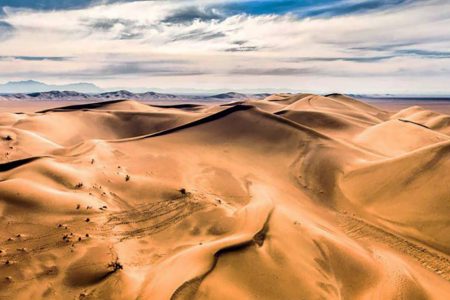
Tehran,the dynamic capital of Iran, is a fascinating destination that blends deep-rooted history with modern urban life. The city welcomes travelers with awe‑inspiring landmarks, lively markets, and a rich cultural scene that reflects Iran’s diverse heritage. From historic palaces and bustling bazaars to contemporary museums and delicious local cuisine, Tehran offers a memorable experience for every kind of visitor.
History of Tehran
Once a small but strategically important town during the Zand dynasty, Tehran became Iran’s capital in 1778 when Agha Mohammad Khan Qajar chose it as the new political center. The city expanded dramatically under Fath‑Ali Shah Qajar, with the construction of grand palaces and elegant buildings. In the later years of the Qajar period, urban planning efforts created modern streets and major public spaces, including Topkhaneh Square (now Imam Khomeini Square). These developments laid the foundation for Tehran’s transformation into a modern metropolis.
Historical Attractions
Tehran is home to iconic landmarks and cultural treasures like:
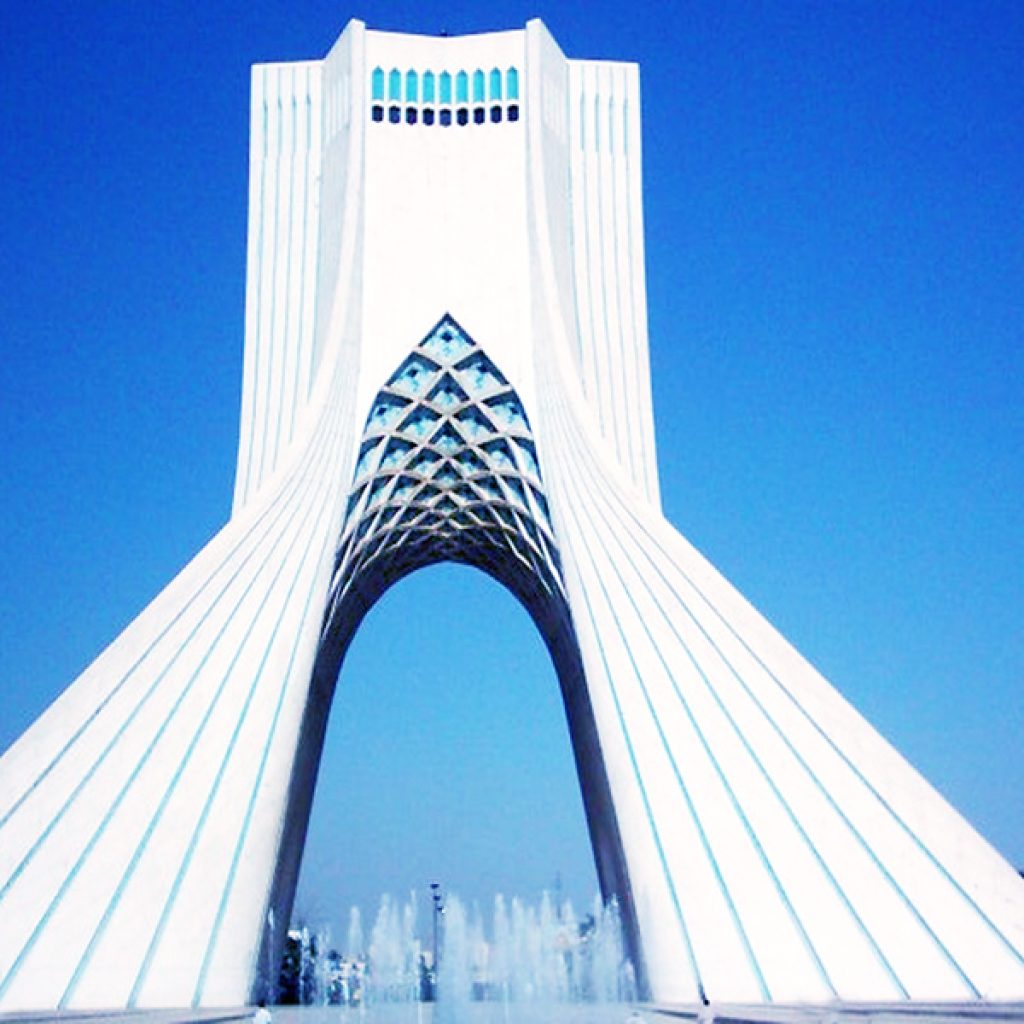
Azadi Tower
A symbol of modern Iran, representing freedom and national pride.
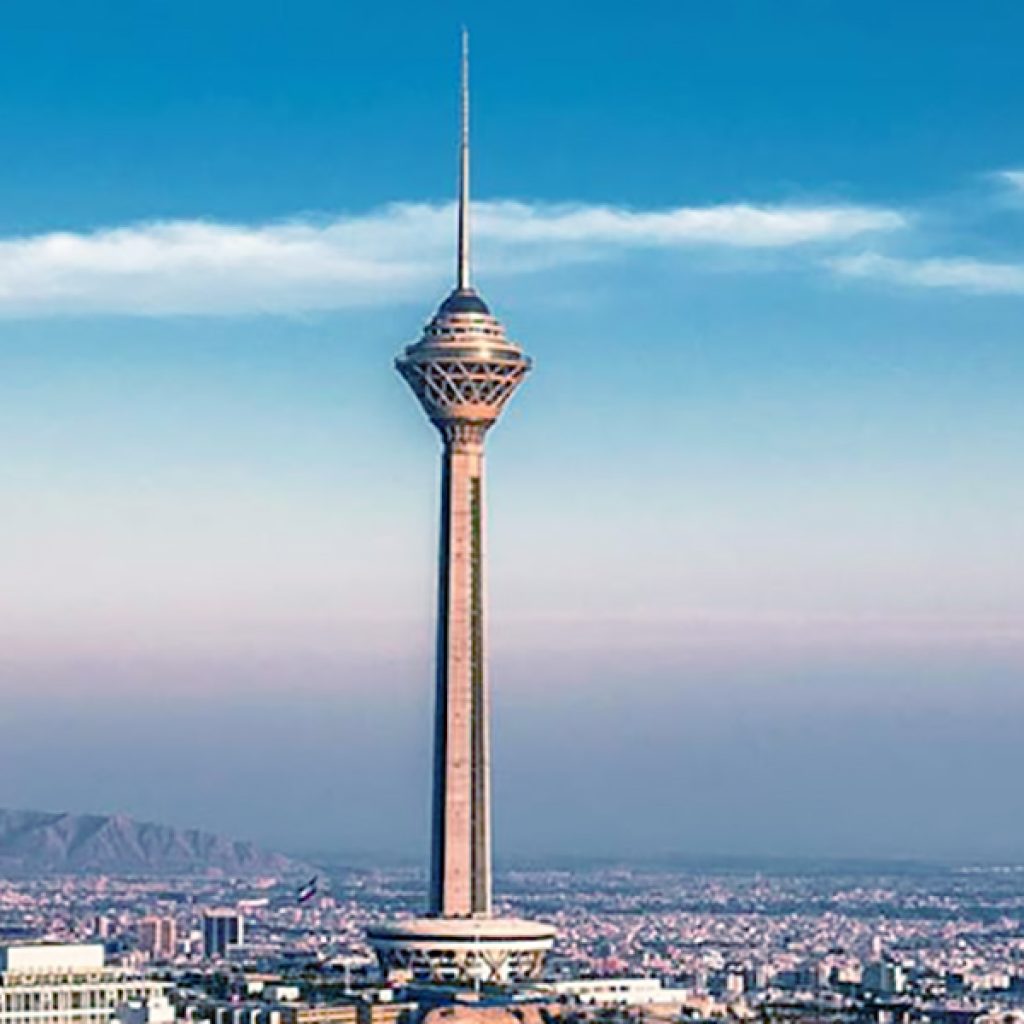
Milad Tower
One of the tallest towers in the world, offering panoramic city views.
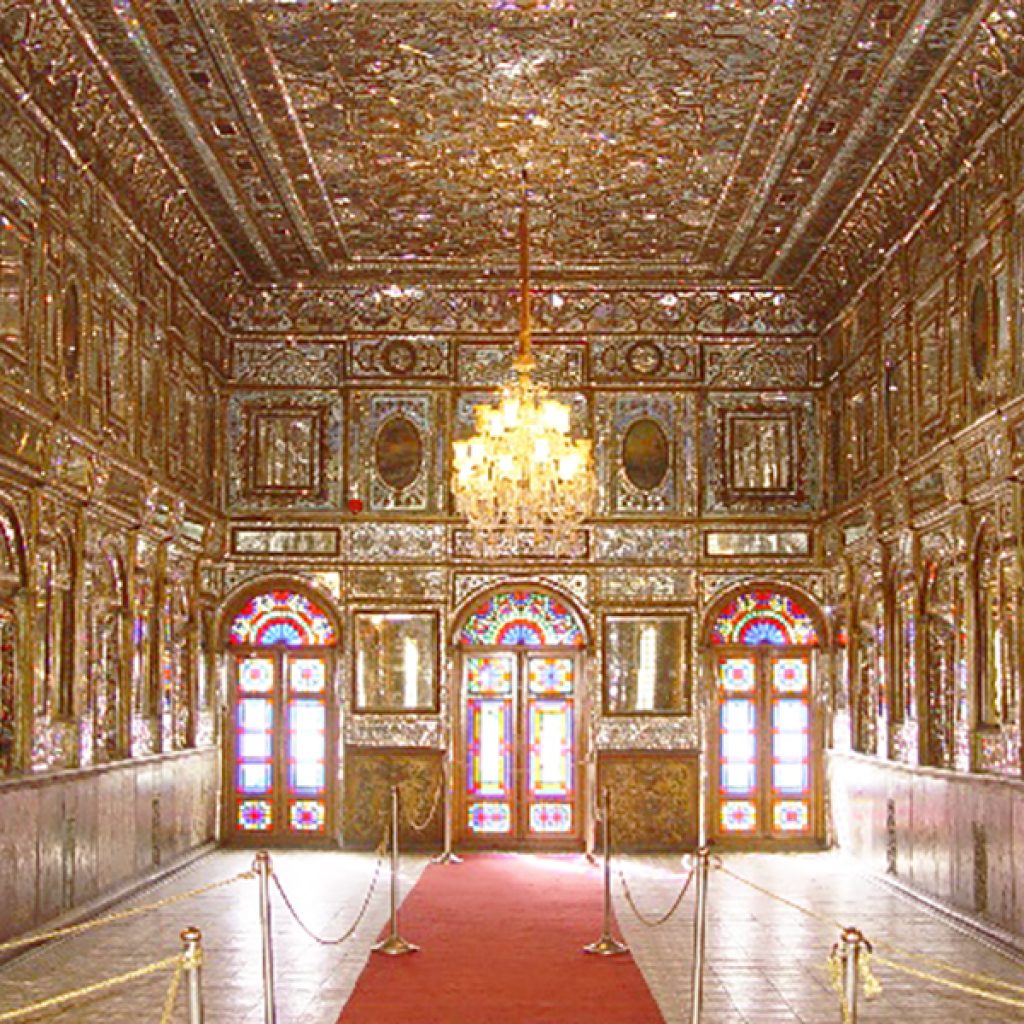
Golestan Palace
A UNESCO World Heritage site showcasing Persian architecture and royal history.
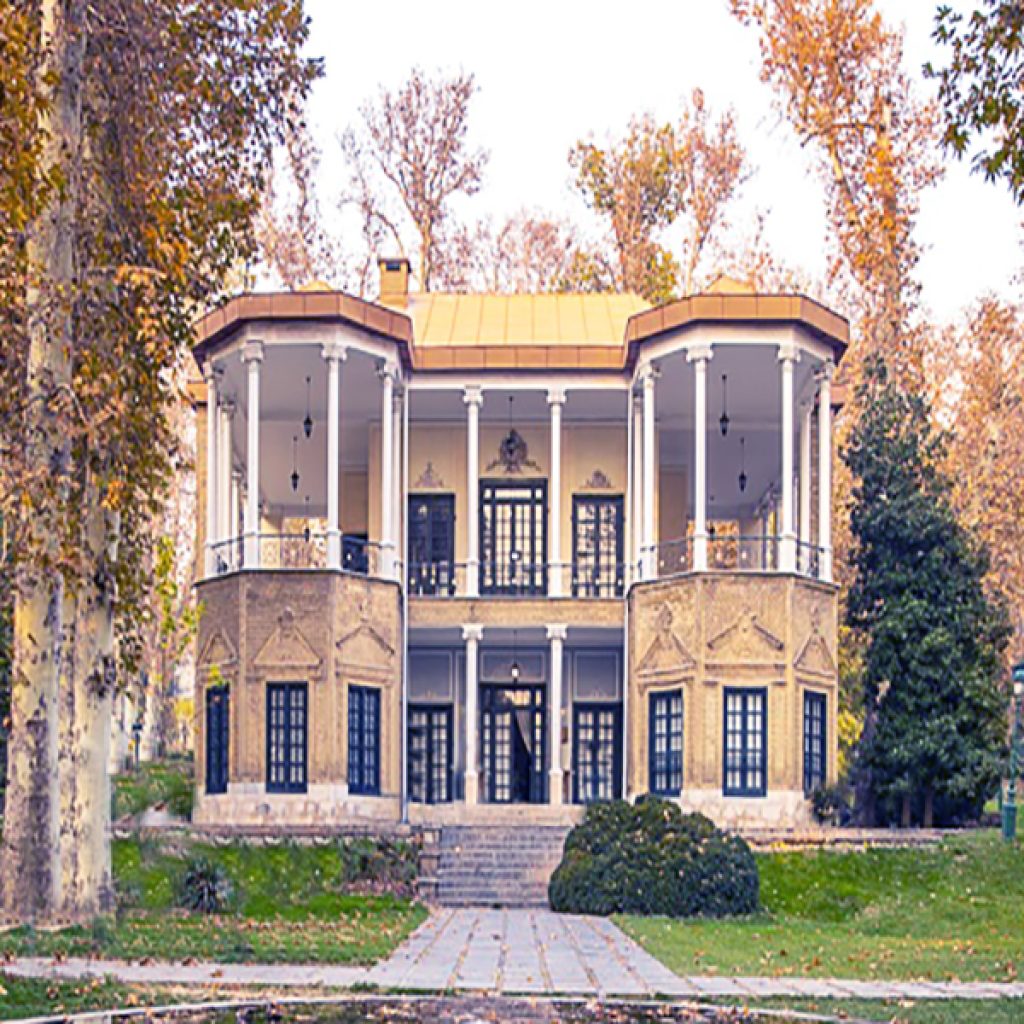
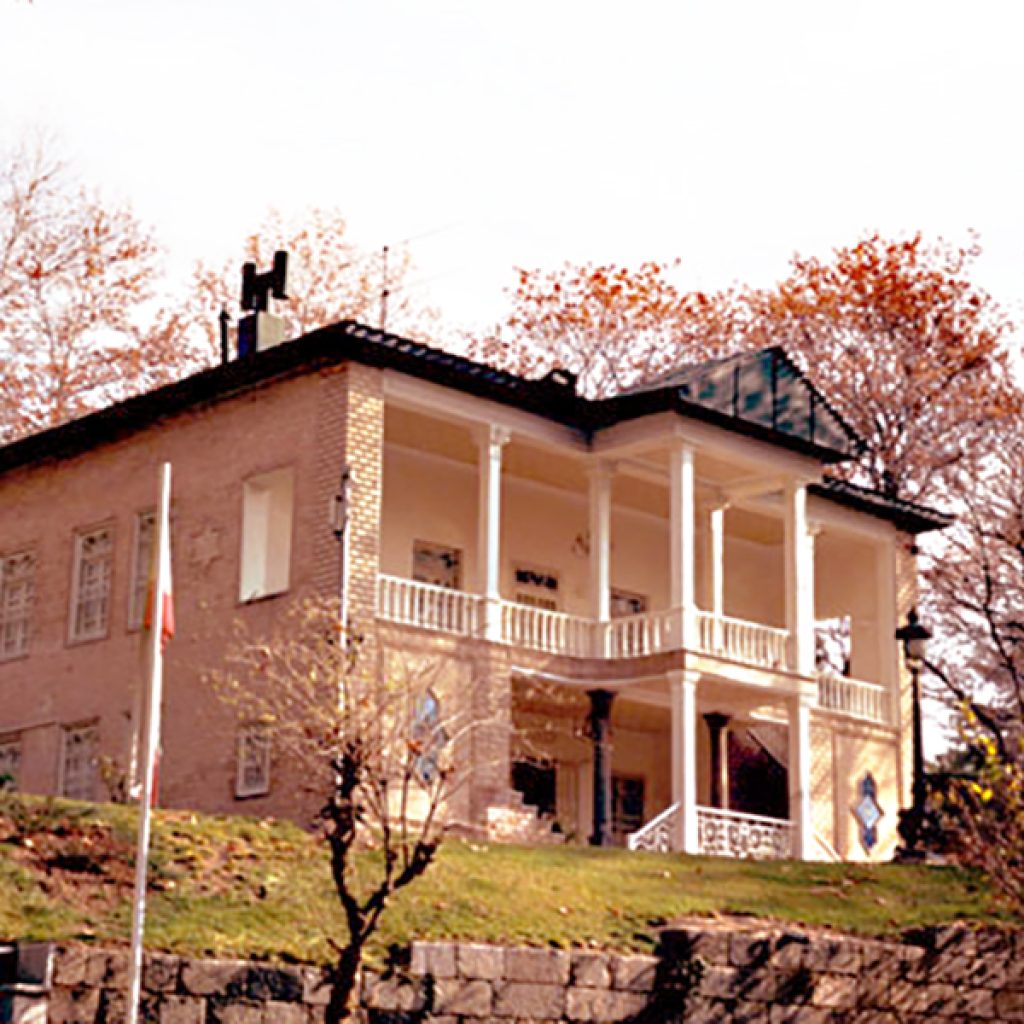
Saad Abad Palace Complex
Set amid peaceful gardens, reflecting the elegance of the Qajar and Pahlavi eras.
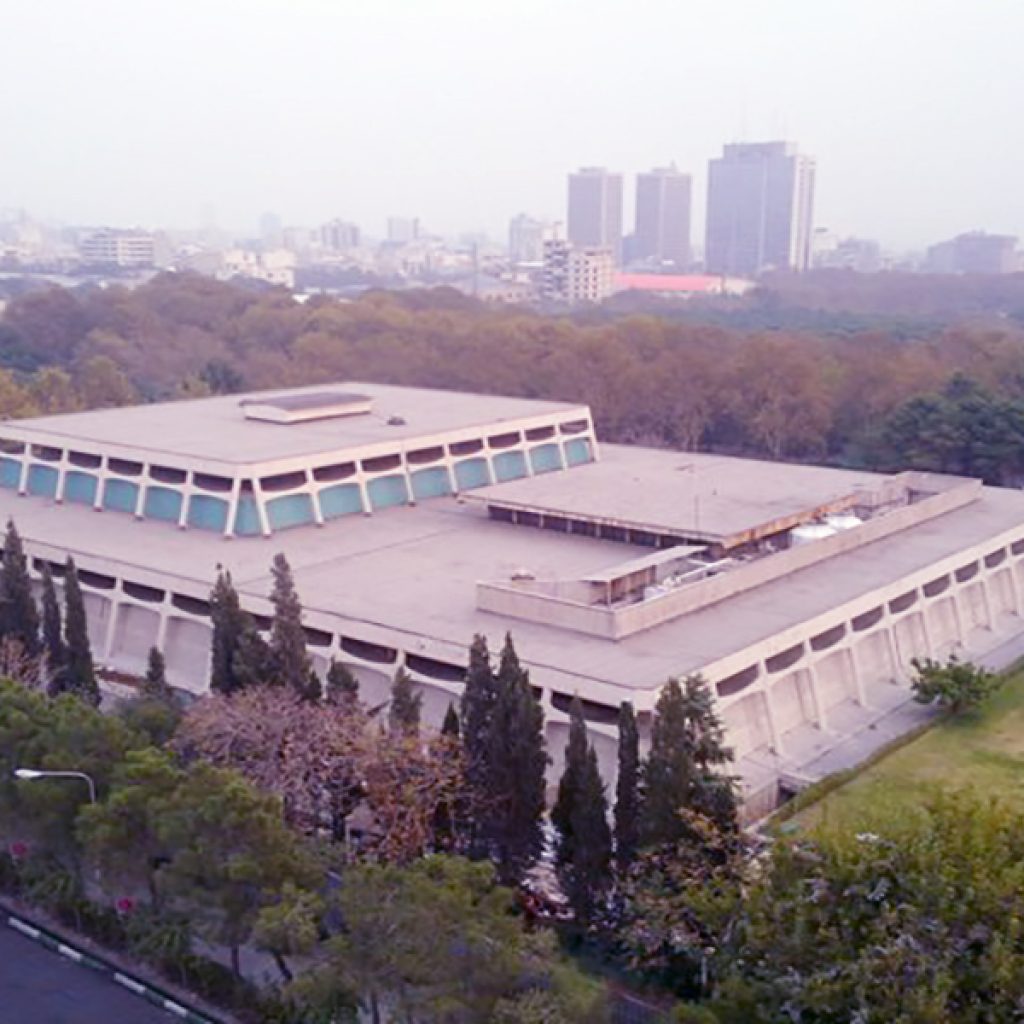
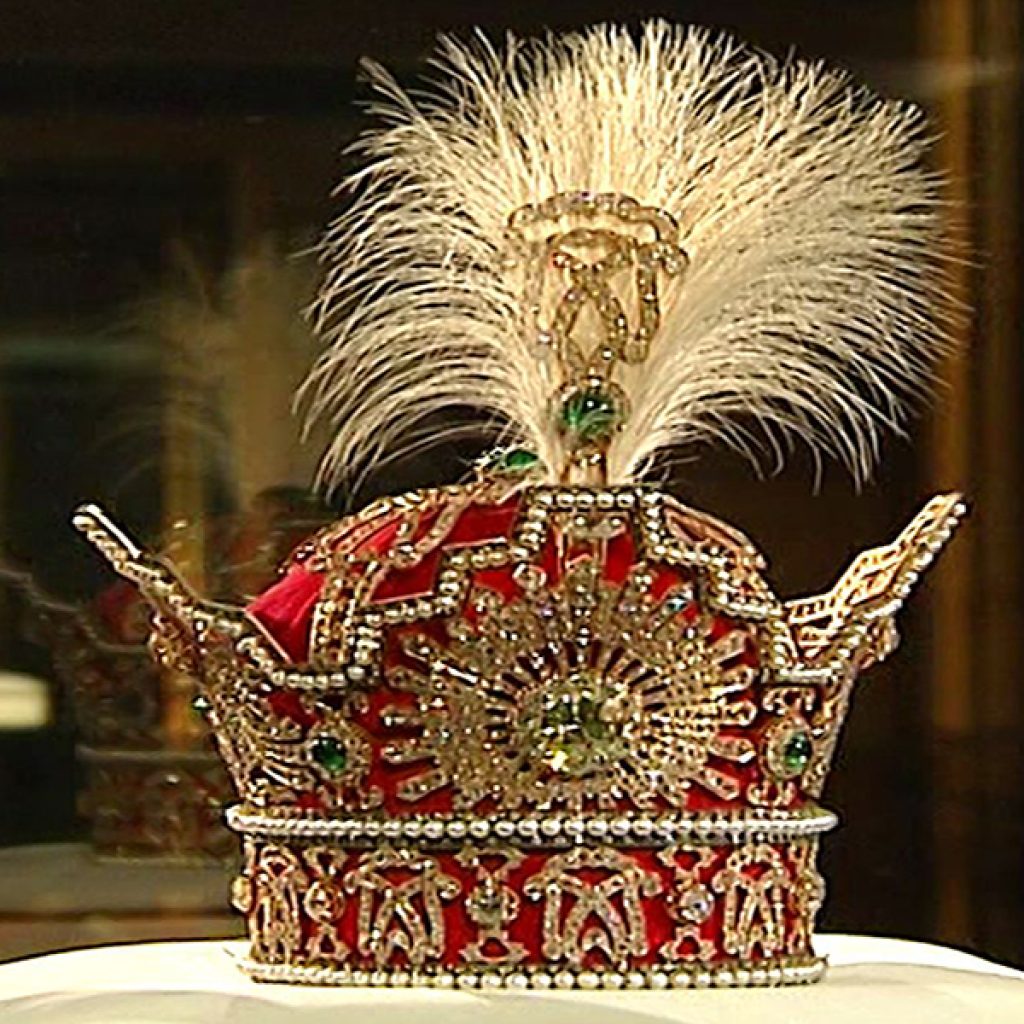
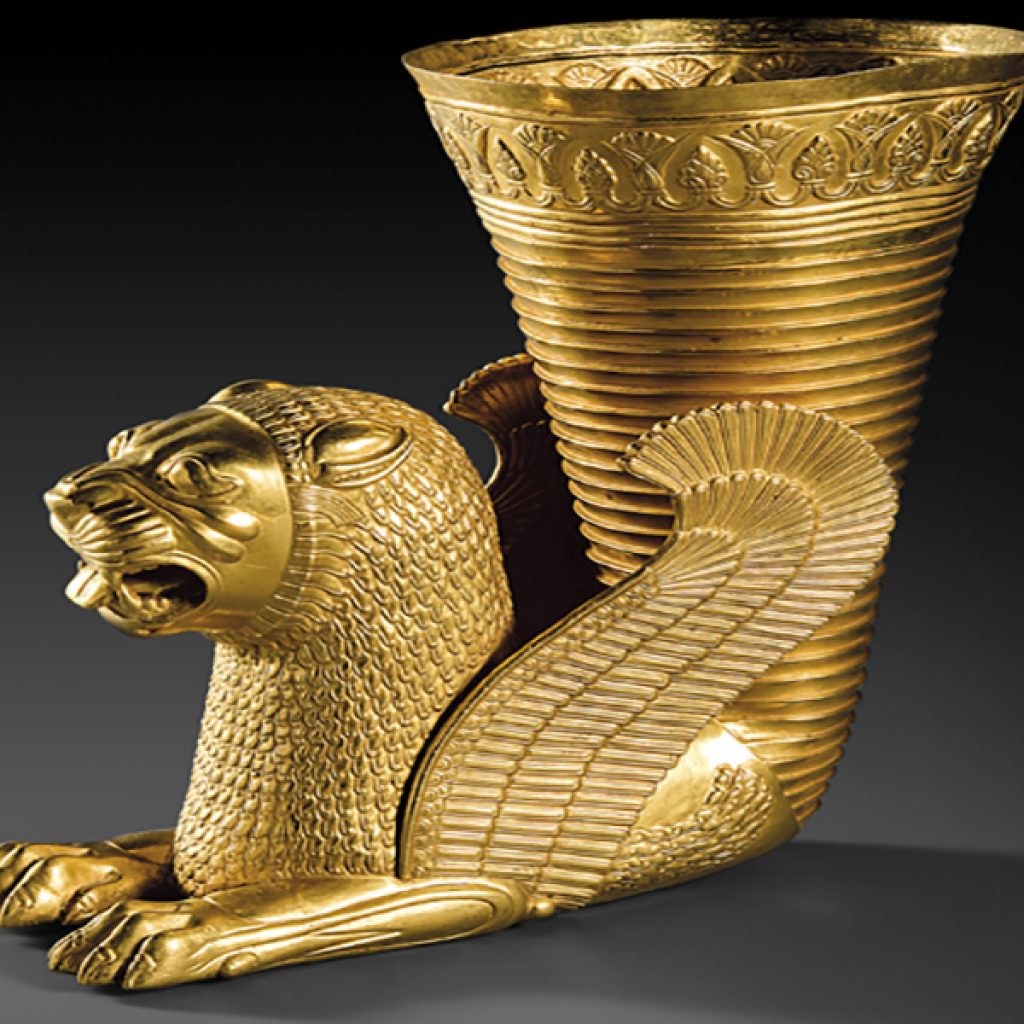
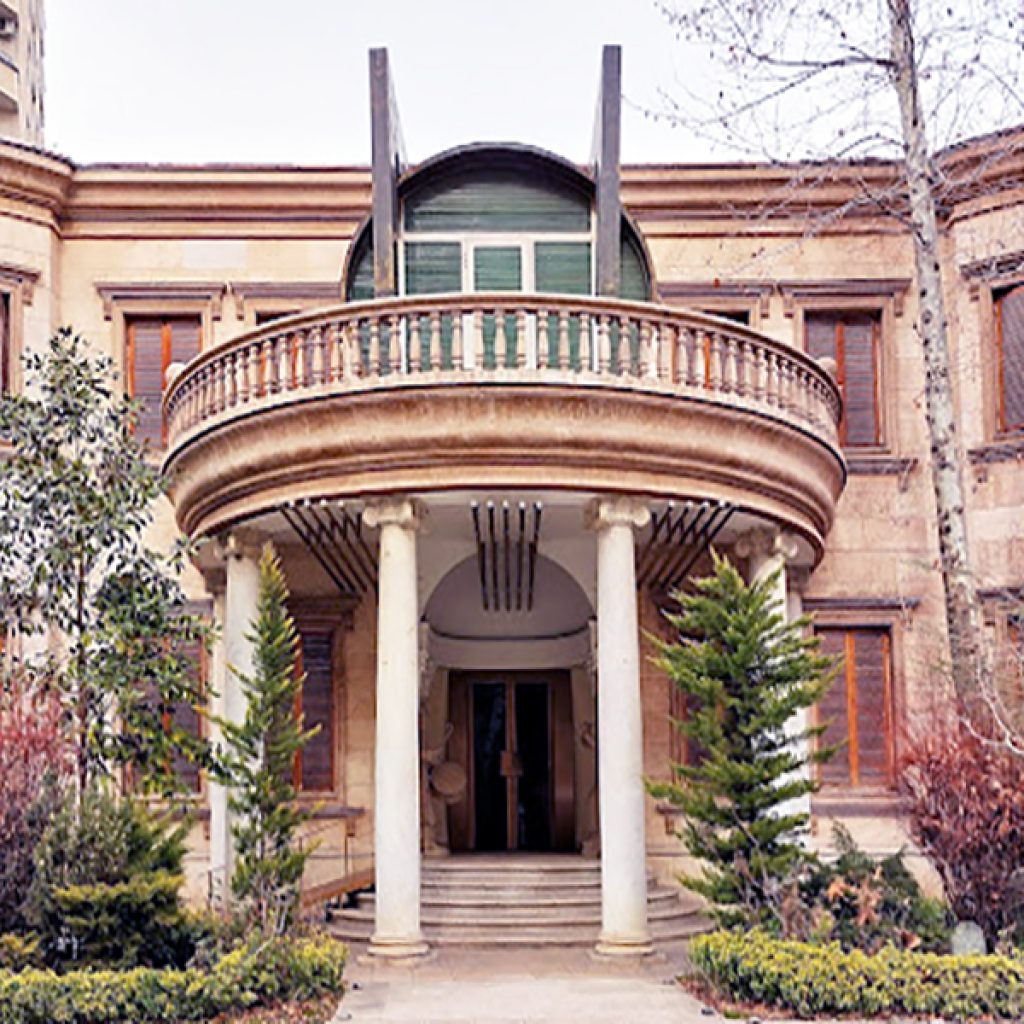
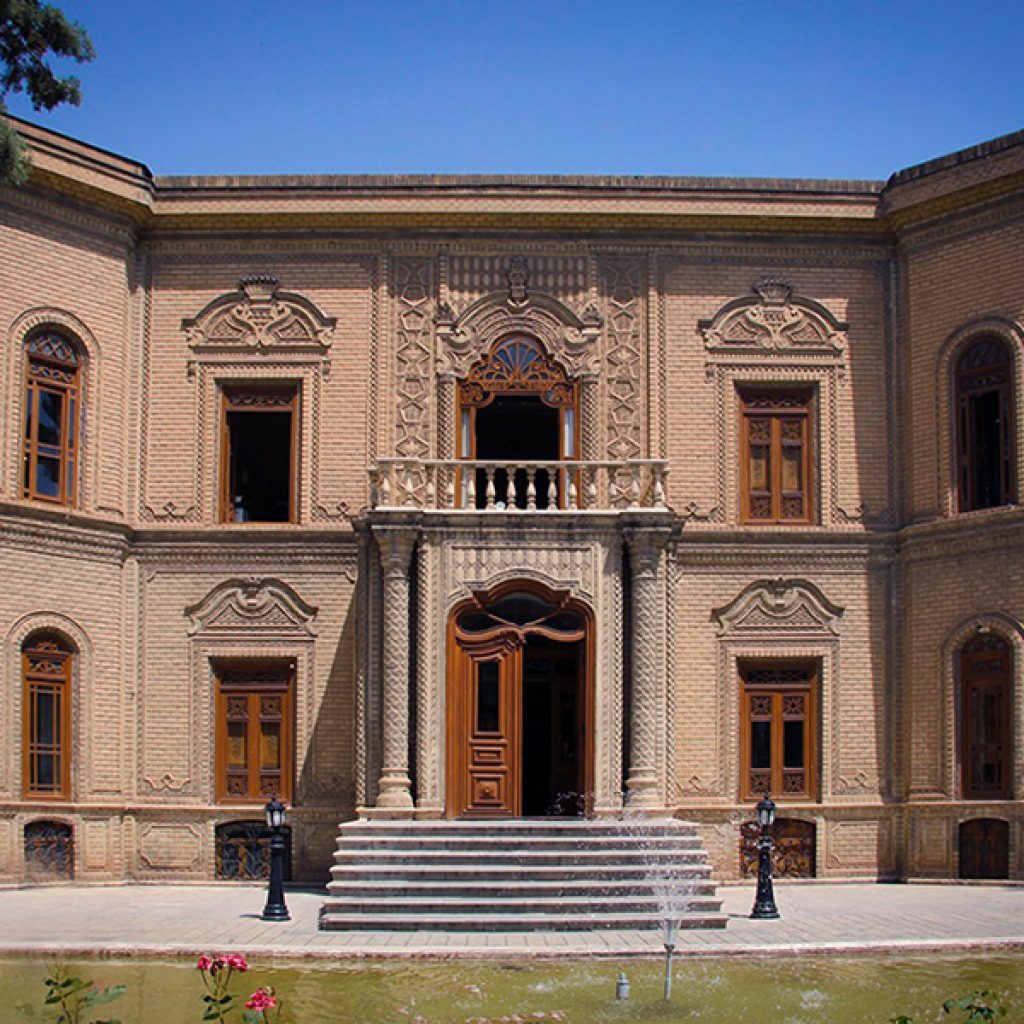
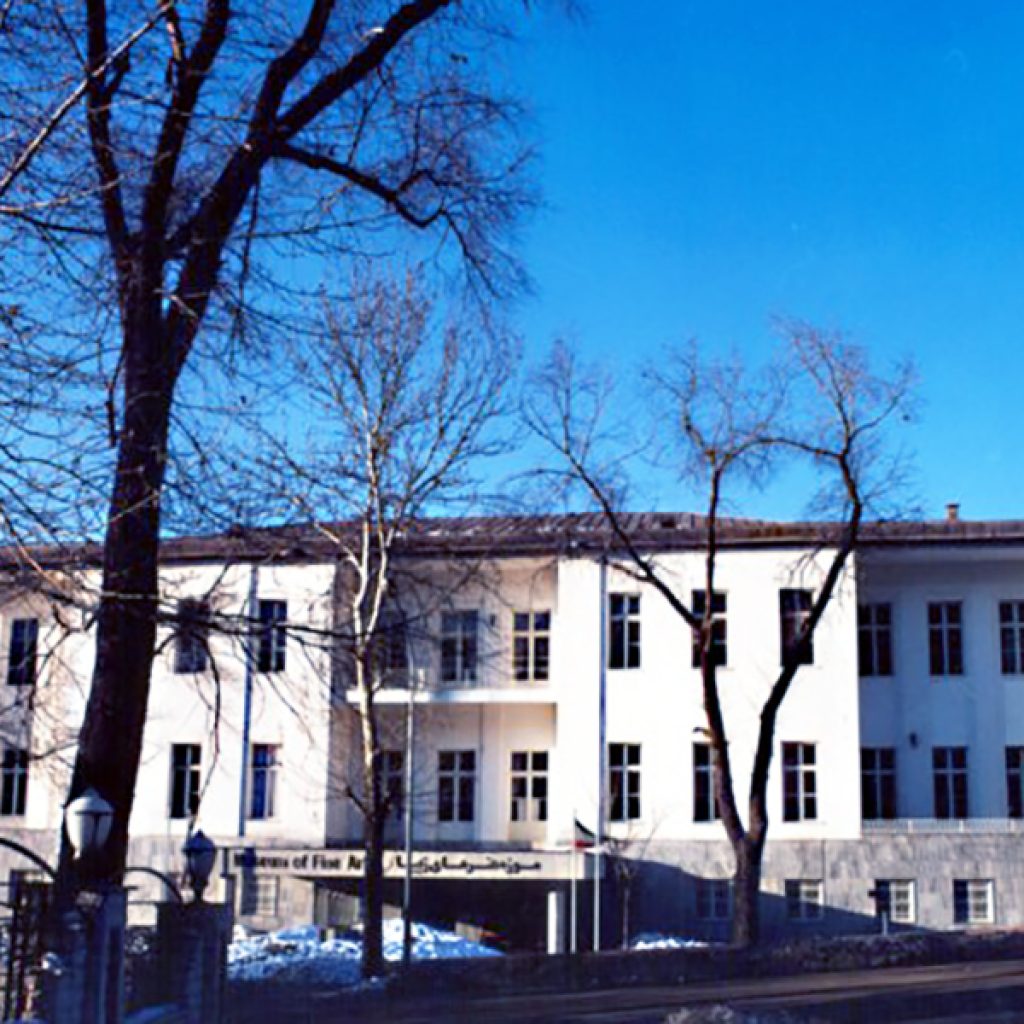
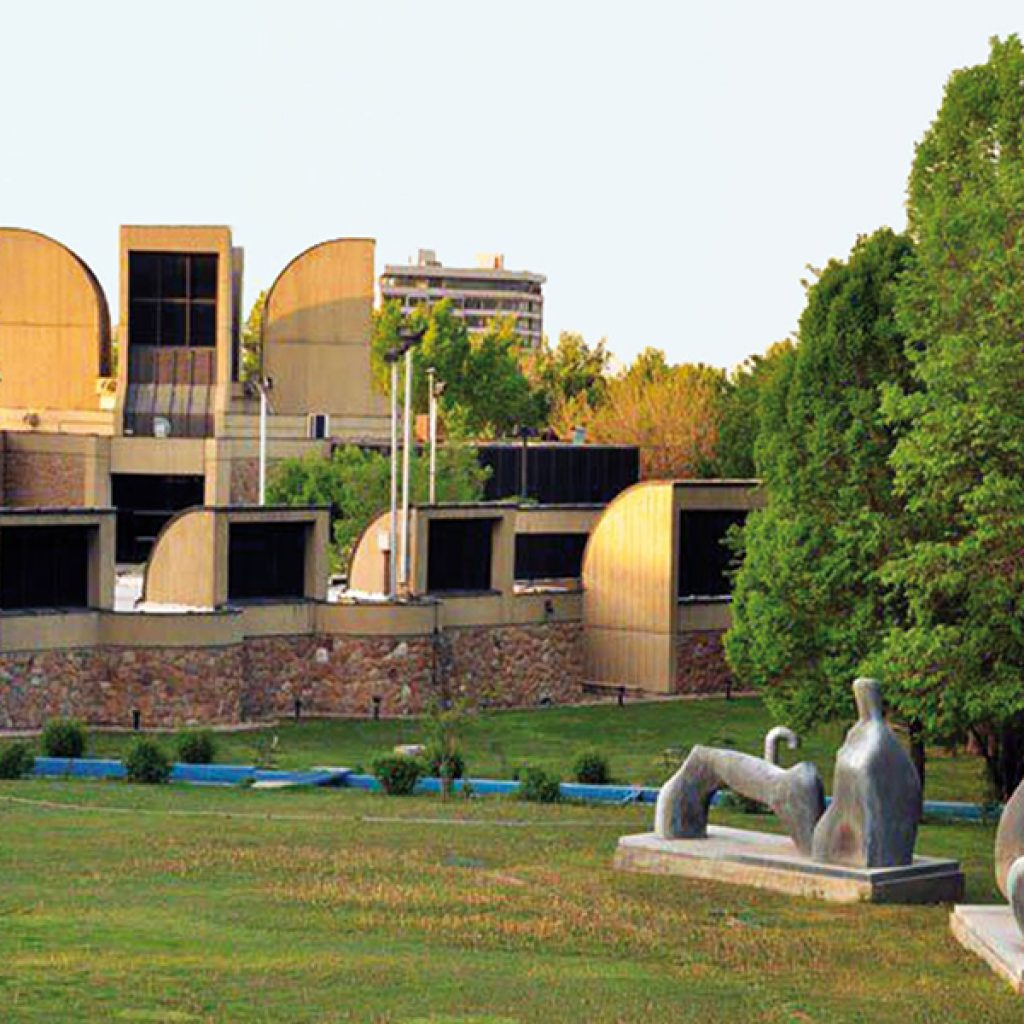
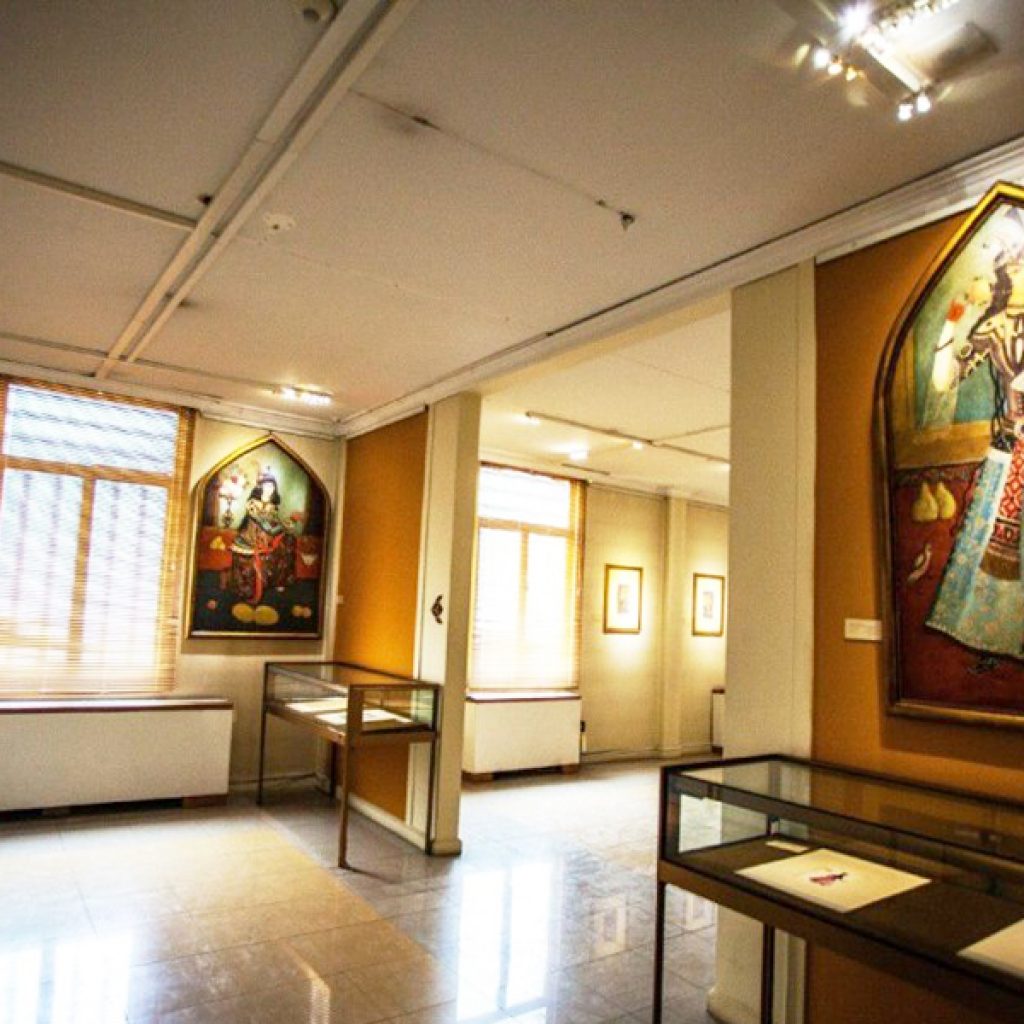
The city also features major museums, including the National Museum of Iran and the Seven Arts Museum, where visitors can explore extensive collections of art and artifacts spanning Iran’s rich cultural history.
Experience Local Cuisine
Tehran offers a delightful culinary journey, from traditional Iranian dishes to contemporary interpretations of classic flavors. Must-try specialties include:
Succulent Kebabs- Hearty Stews like Ghormeh Sabzi and Fesenjan, Fresh Breads, and Sweets.
The city’s restaurants and cafés offer a warm, inviting setting to experience Persian hospitality and sample unforgettable local flavors.
Old Bazaars
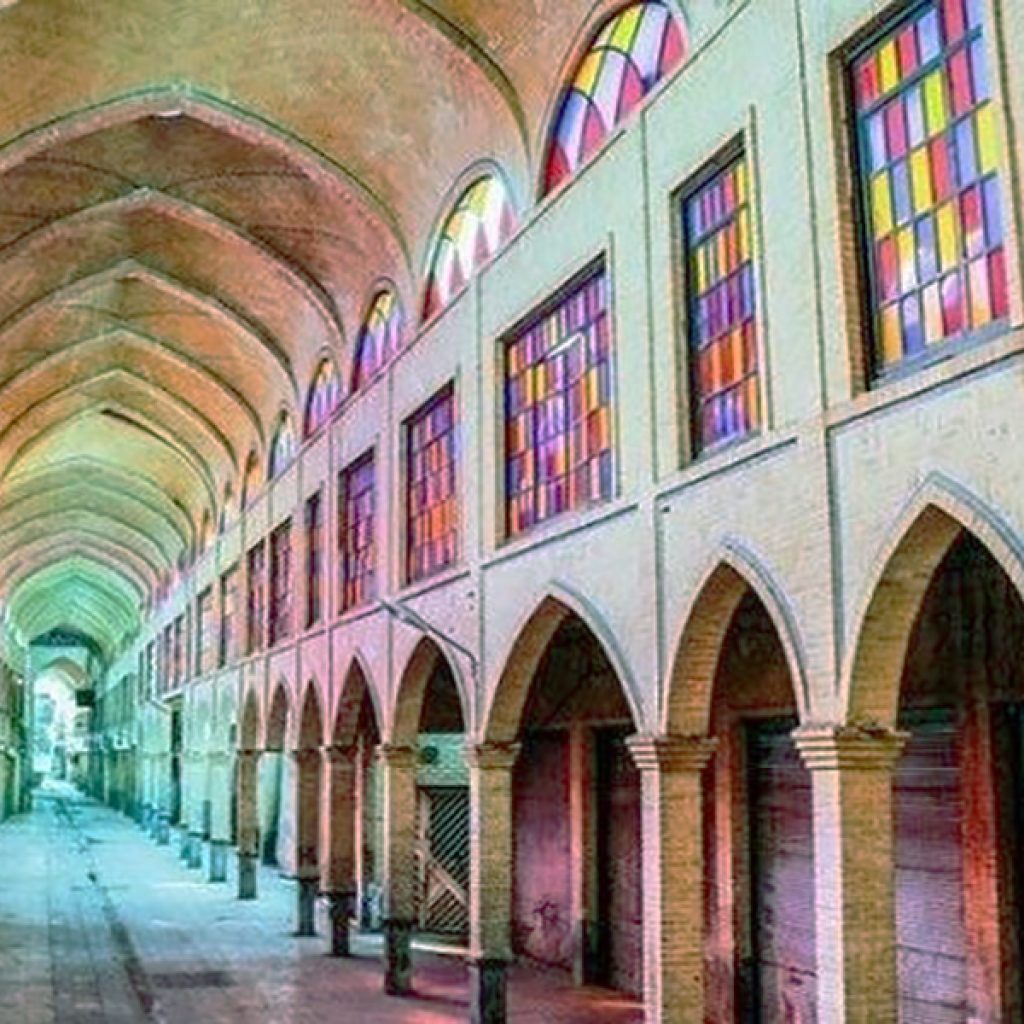
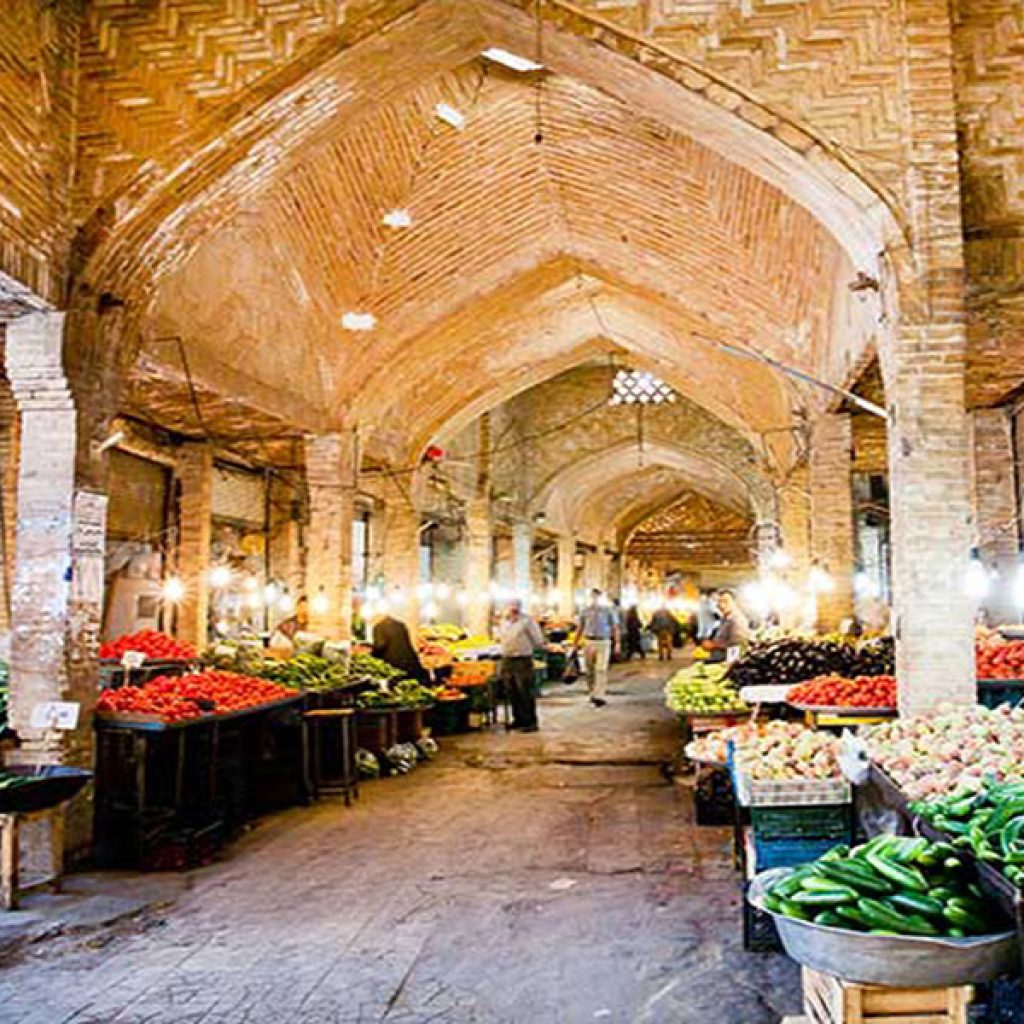
The Tehran Grand Bazaar is the heart of traditional commerce and a cultural landmark. Visitors can:
Stroll through winding alleys, discover handcrafted goods, textiles, spices, and souvenirs, experience the vibrant atmosphere that has defined Tehran’s trading culture for centuries, and explore the bazaar, which offers both shopping and an authentic glimpse into the city’s everyday life.
Plan Your Visit
The Tehran Grand Bazaar is the heart of traditional commerce and a cultural landmark. Visitors can:
Stroll through winding alleys, discover handcrafted goods, textiles, spices, and souvenirs, experience the vibrant atmosphere that has defined Tehran’s trading culture for centuries, and explore the bazaar, which offers both shopping and an authentic glimpse into the city’s everyday life.