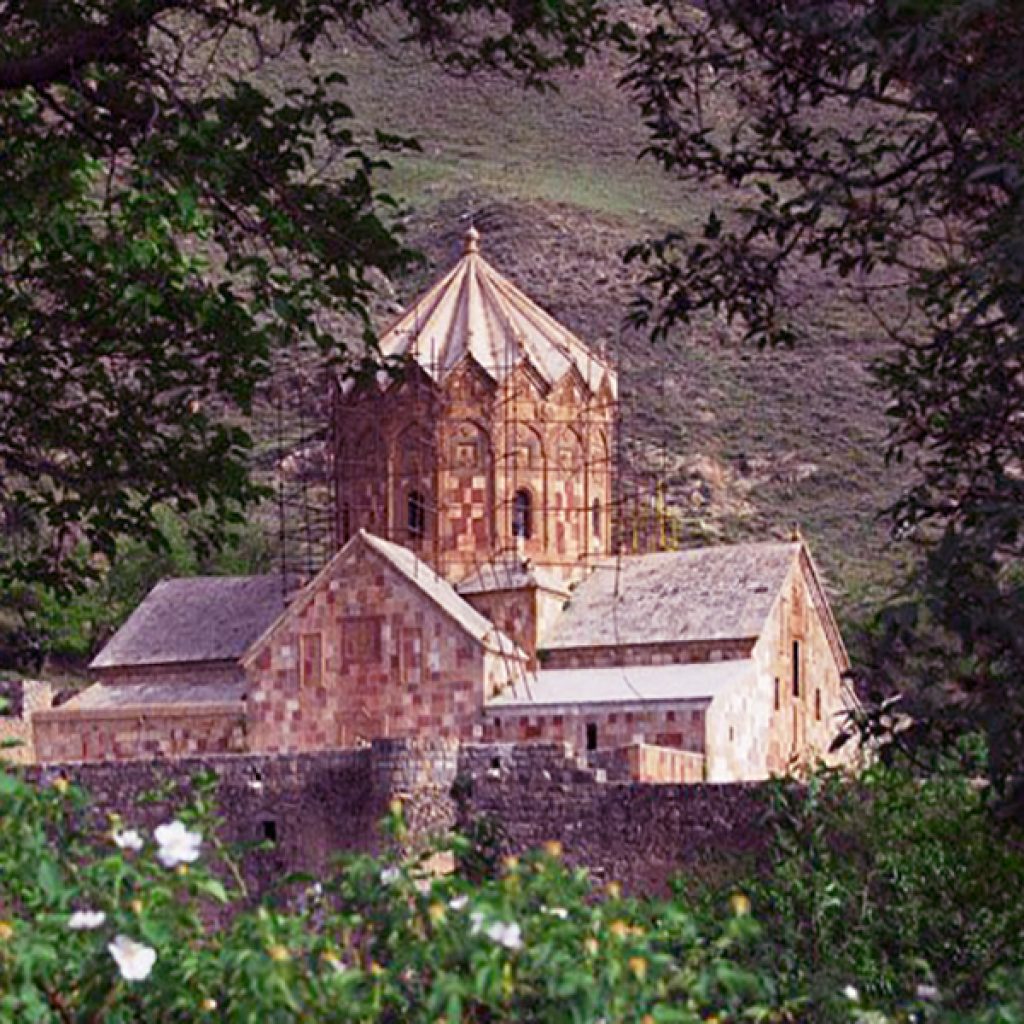
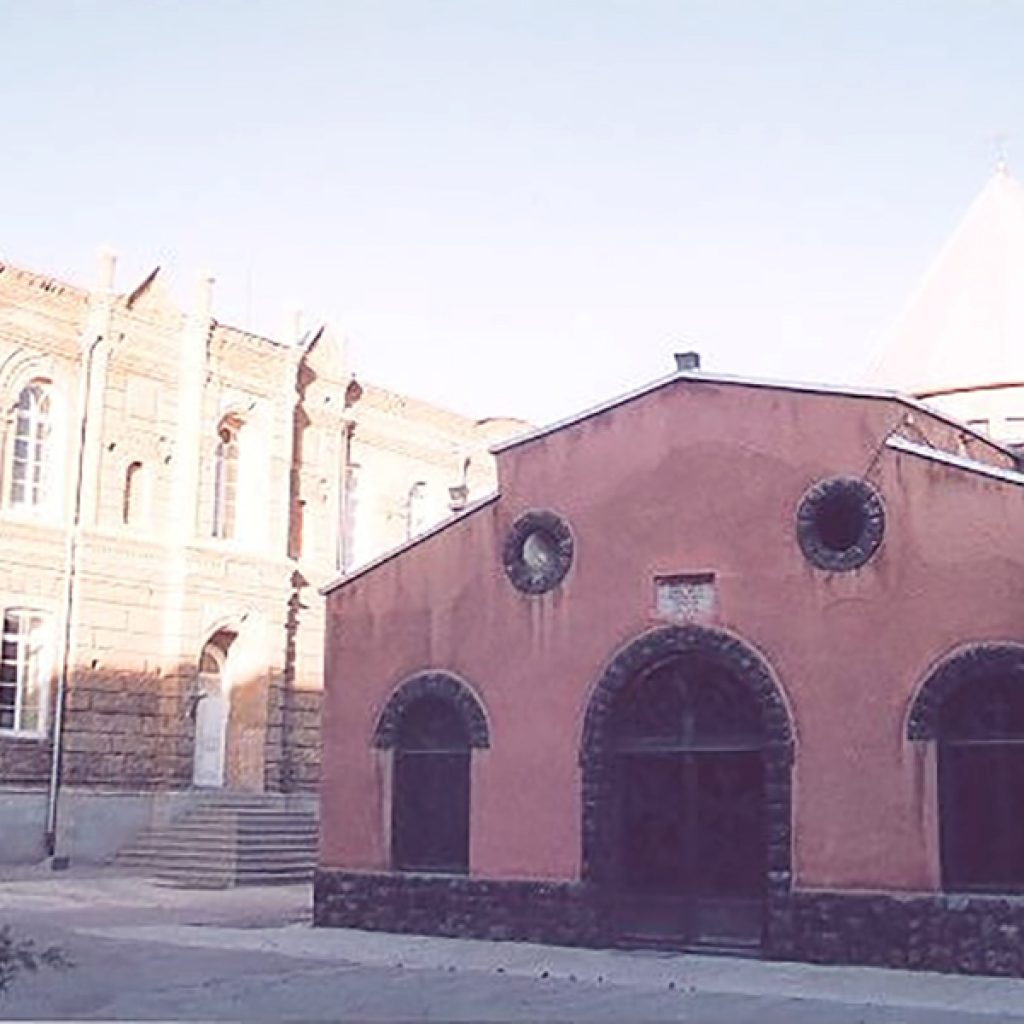
The Armenian Monastic Ensembles of Iran, consisting of the Monasteries of St. Thaddeus and St. Stepanos and the Chapel of Dzordzor, are inscribed on the UNESCO World Heritage List. Dating from different periods, with St. Thaddeus dating back to the 7th century, these historic religious sites are outstanding examples of Armenian architectural and decorative traditions and reflect cultural exchanges with Byzantine, Orthodox, and Persian traditions. Located in northwestern Iran, they remain important pilgrimage sites and valuable testimonies to the Armenian heritage of the region.
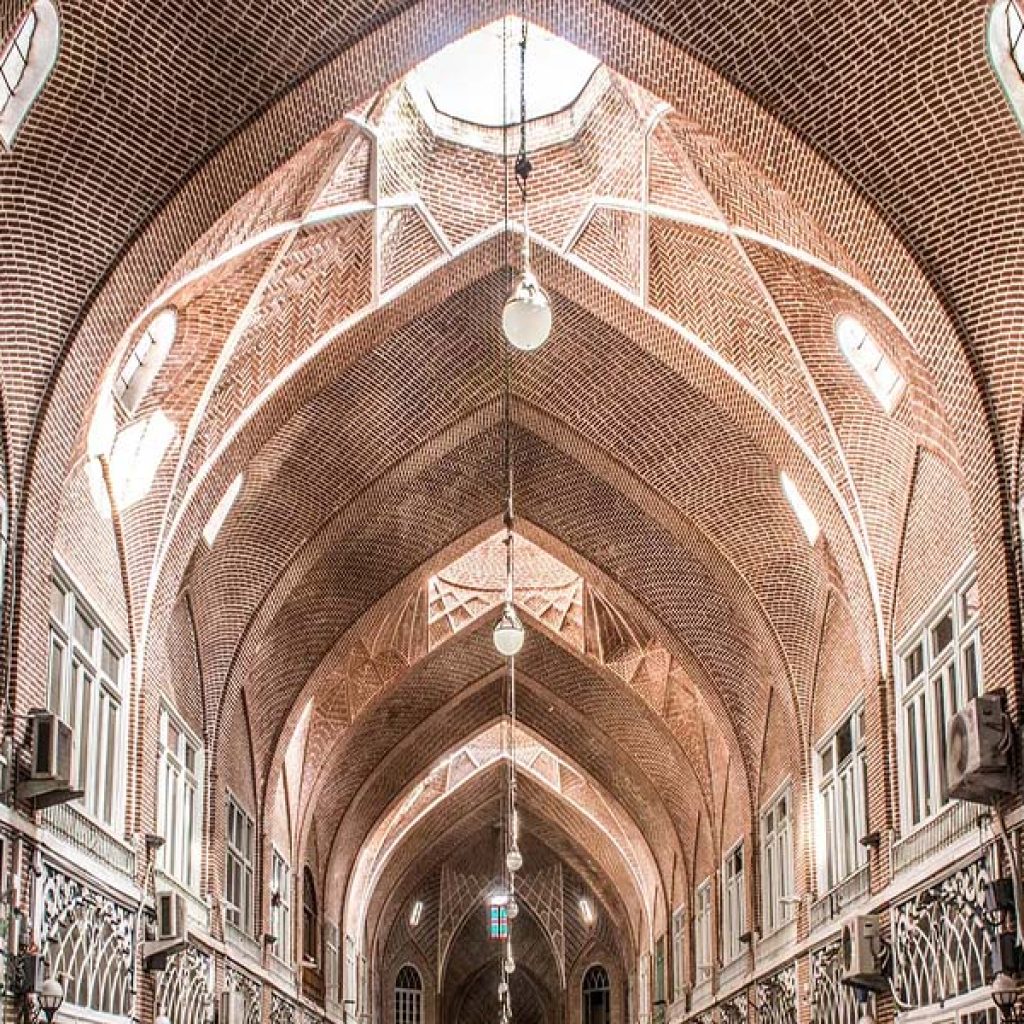
Tabriz Historic Bazaar Complex lies at the heart of Tabriz and is a UNESCO World Heritage Site, recognized as one of the most important commercial and cultural centers along the historic Silk Road. Comprising a series of interconnected, covered brick structures, buildings, and enclosed spaces, the bazaar reflects Iran’s traditional commercial, social, and cultural heritage. It is also one of the most complete examples of Iran’s traditional commercial and cultural system.
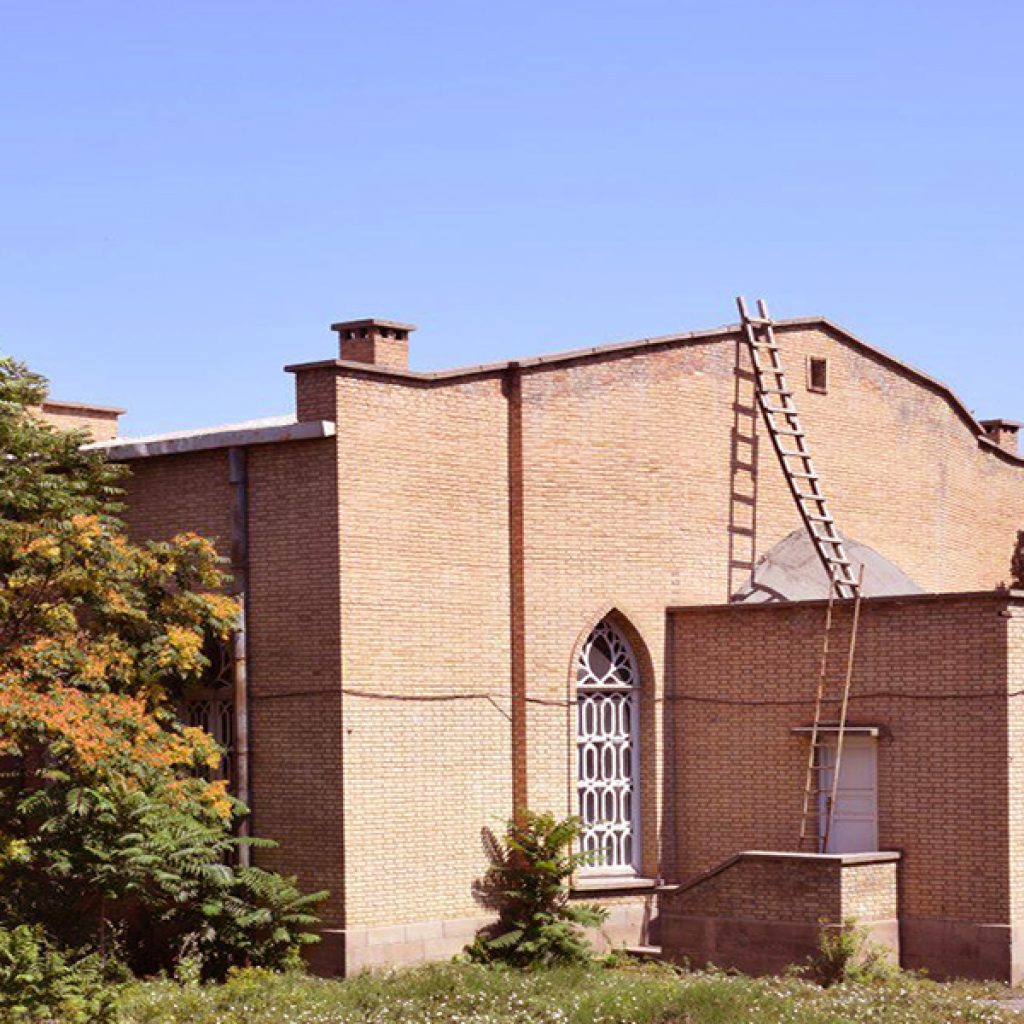
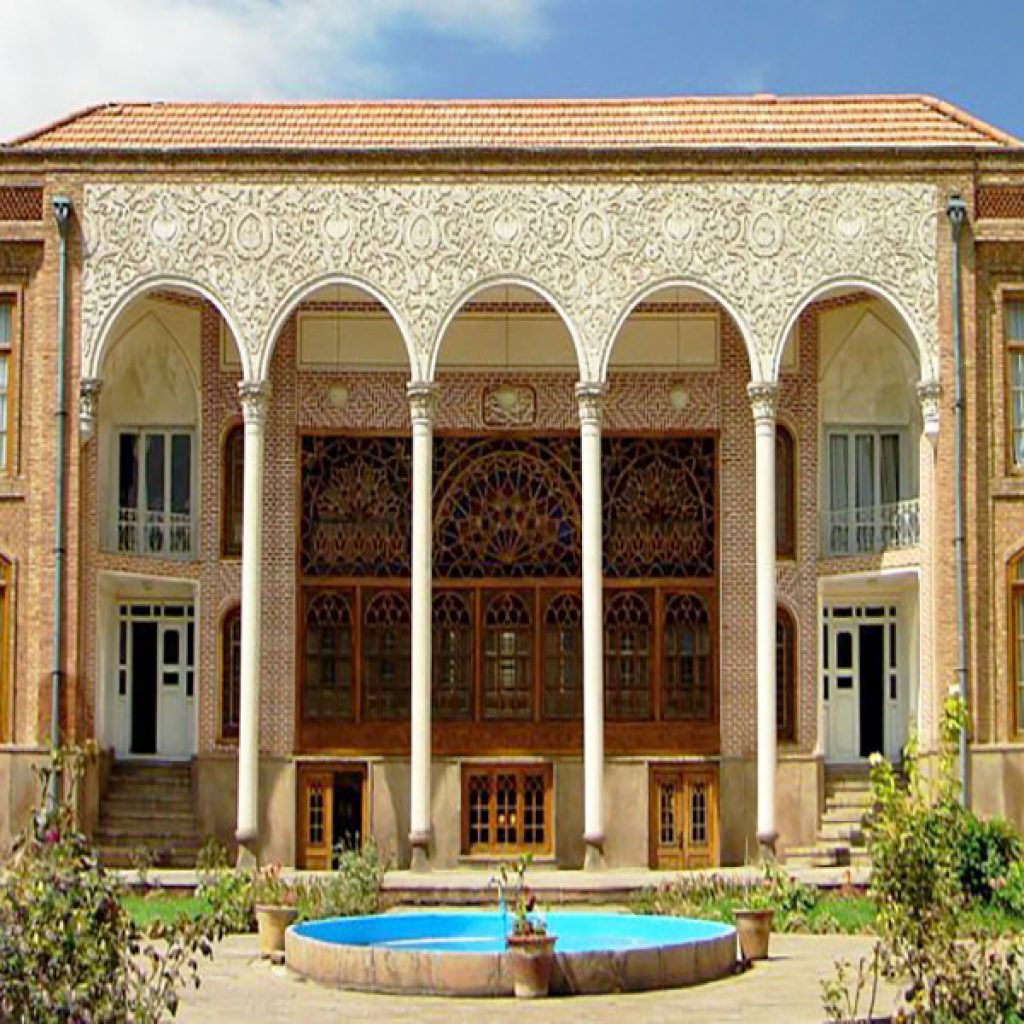
The Tabriz Architecture Faculty is housed in historic traditional buildings that reflect the architectural heritage of the city. The complex provides an interesting setting for students of architecture while offering visitors an opportunity to experience elements of traditional Persian residential architecture.
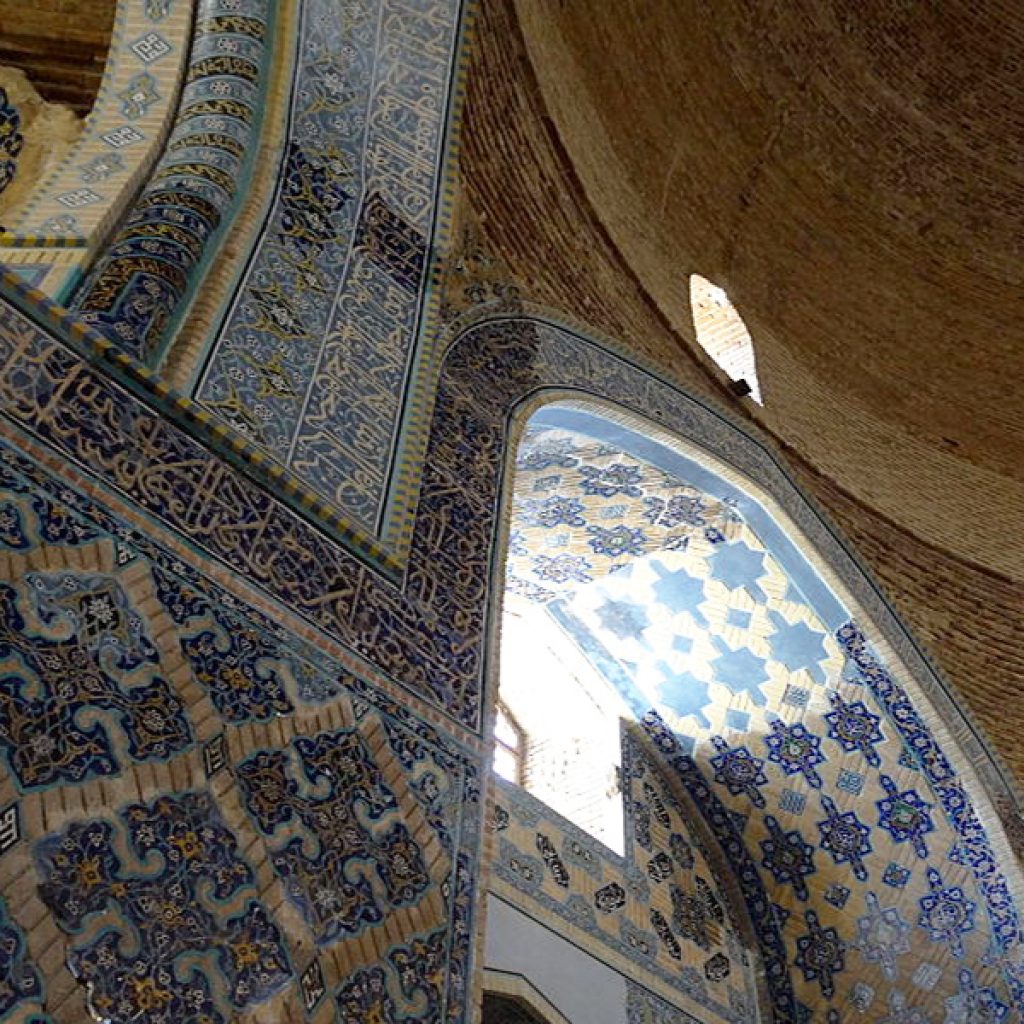
The Blue Mosque of Tabriz, also known as the Kabud Mosque, is a remarkable monument from the Qara Qoyunlu period. Completed in 1465, it is renowned for its intricate blue and turquoise tilework and distinctive architectural design. Despite suffering severe damage from earthquakes and centuries of neglect, the mosque has undergone extensive restoration and remains one of Tabriz’s most significant historical monuments.
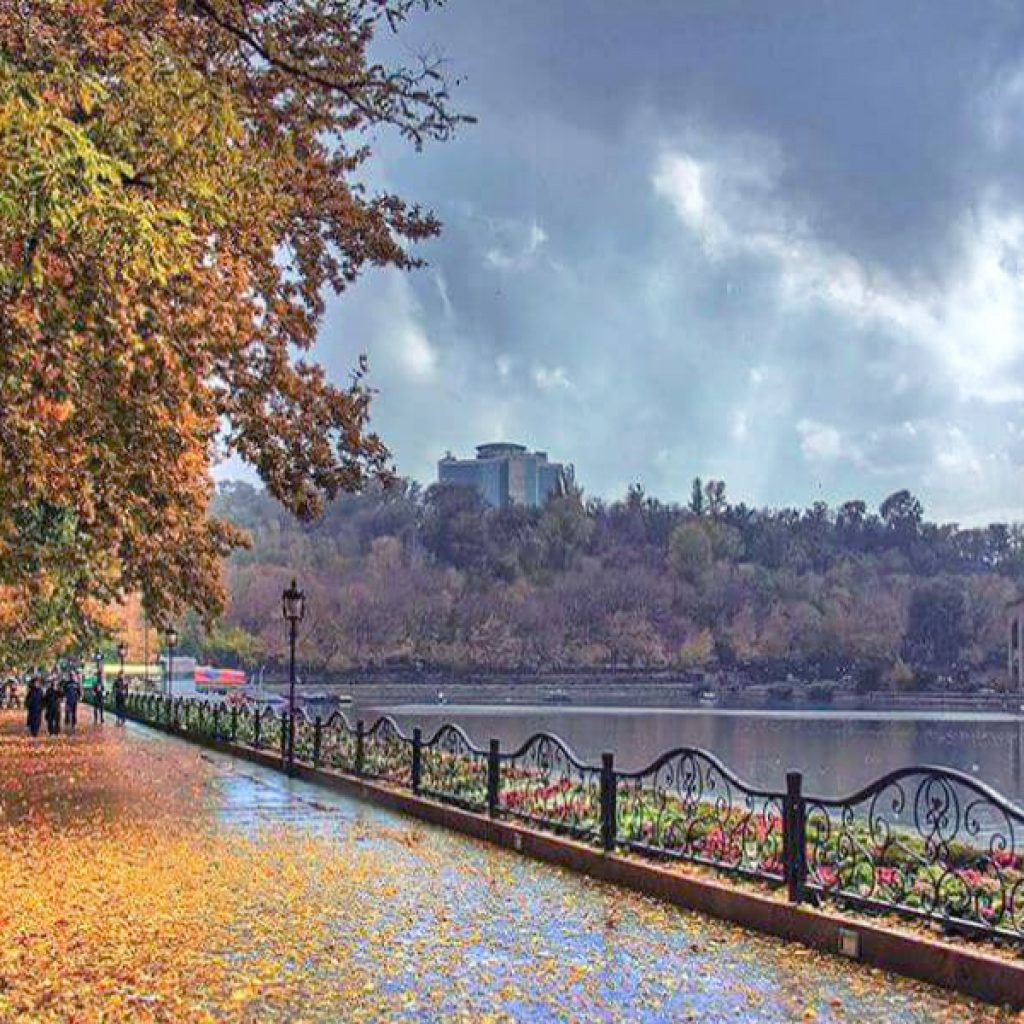
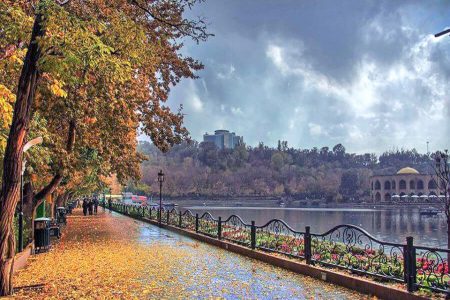
Elgoli Garden, also known as Shahgoli, is one of Tabriz’s most popular historic recreational sites. At the heart of the complex lies a large artificial lake with an elegant pavilion in its center, surrounded by landscaped gardens and walking paths. Developed and restored over different historical periods, Elgoli combines elements of Tabriz’s architectural heritage with a lively public park atmosphere.
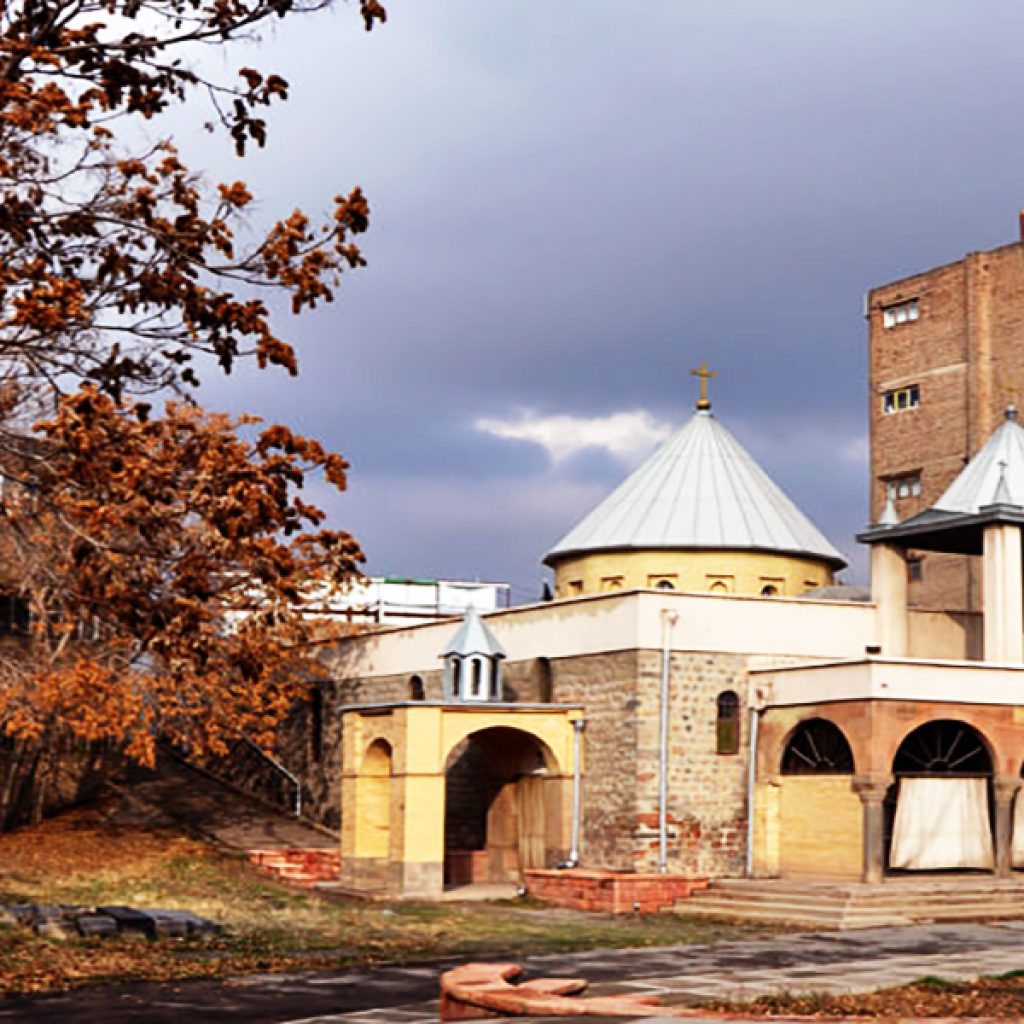
Tabriz St. Mary Church, also known as the Holy Mother of God Church, is an Armenian Apostolic church and one of the city’s most important religious and cultural landmarks. An earlier church stood on the site as early as the 12th century, while the present building was constructed between 1782 and 1785 following the devastating earthquake of 1780. Today, it is regarded as the oldest and largest Christian church in Tabriz and remains an important center for the Armenian community. The Tabriz Armenian Museum, located next to the church, preserves artifacts and objects related to the history and cultural heritage of the Armenian community in the region.
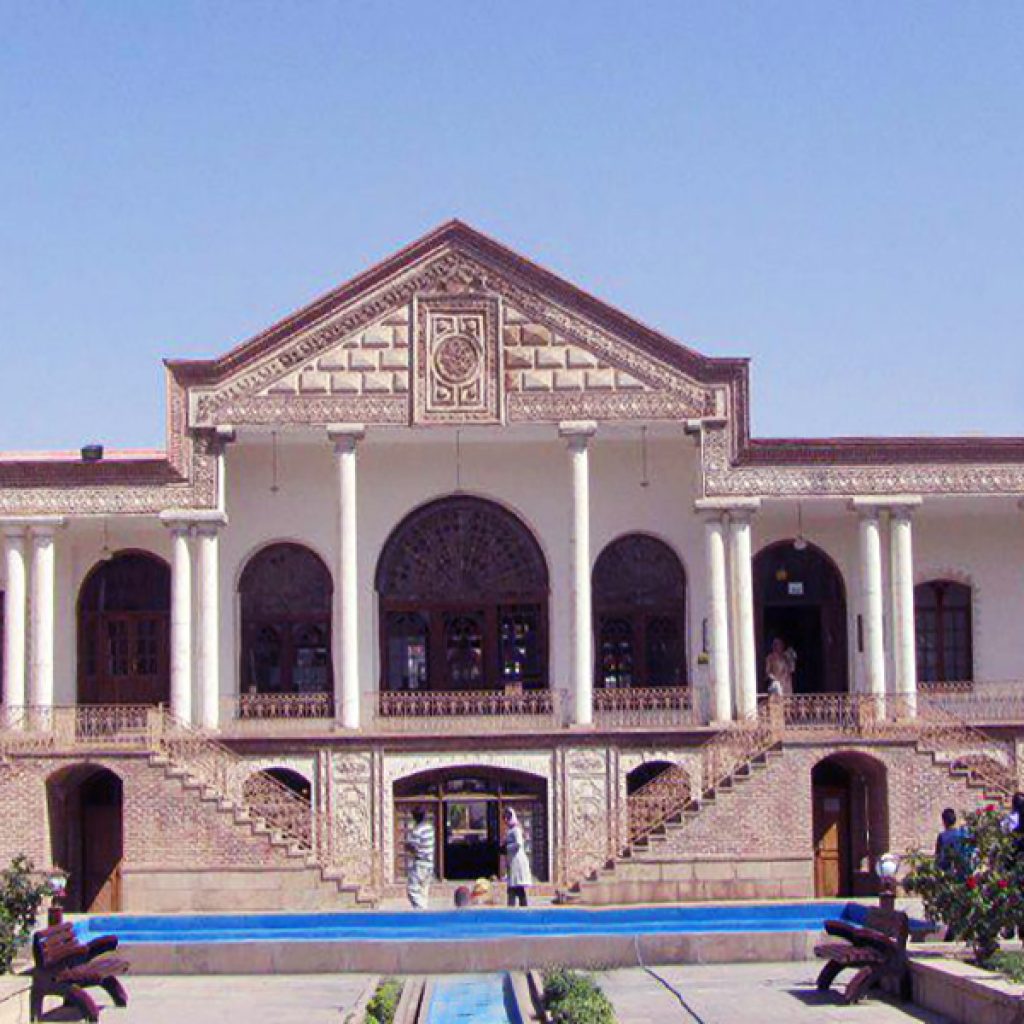
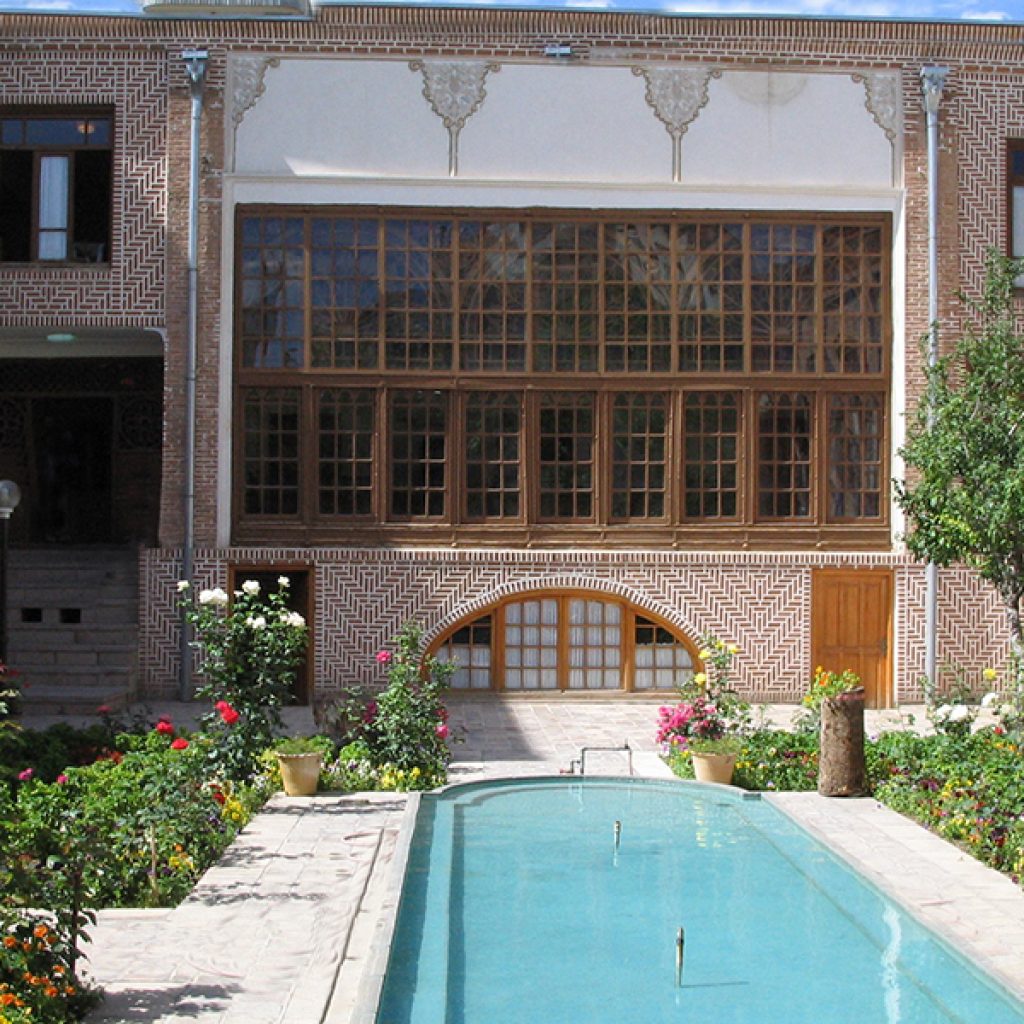
The Qajar Museum, housed in the historic Amir Nezam House, is one of Tabriz’s notable examples of Qajar-era architecture. Located in the historic Sheshgelan district, the two-story mansion features two courtyards, an elegant veranda, colorful stained-glass windows, stucco decoration, and mirror work. Since 2006, the building has housed a museum dedicated to the Qajar period, displaying collections of coins, textiles, ceramics, metalwork, musical instruments, weapons, manuscripts, and other historical objects.
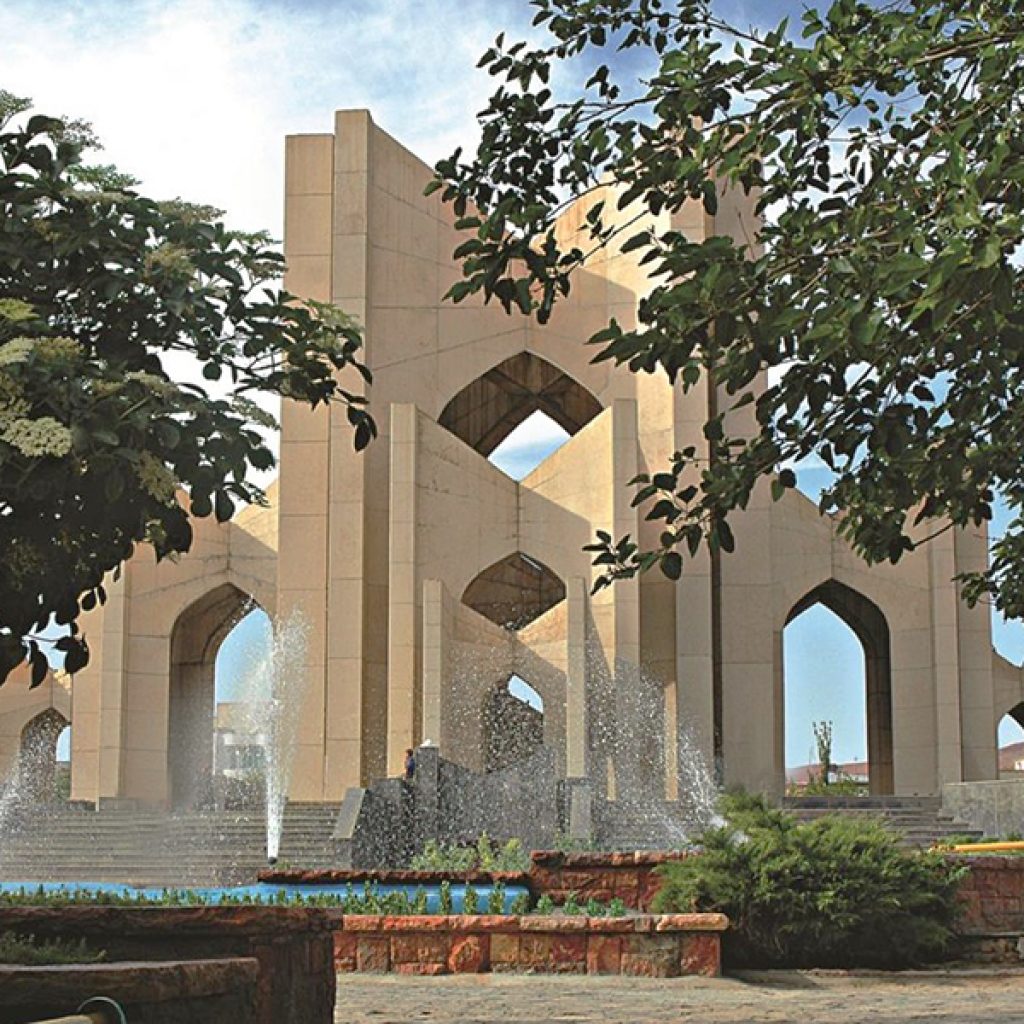
The Mausoleum of Poets, also known as Maqbarat al-Shoara, is a historic cemetery in Tabriz’s Sorkhab district and one of the city’s important cultural landmarks. More than 400 poets, writers, mystics, and other notable figures are associated with the cemetery, including renowned Persian poets such as Asadi Tusi, Qatran Tabrizi, Khaqani, Homam Tabrizi, and Mohammad-Hossein Shahriar. The modern memorial building, designed by architect Gholamreza Farzanmehr in the 1970s, has become one of the recognizable symbols of Tabriz.
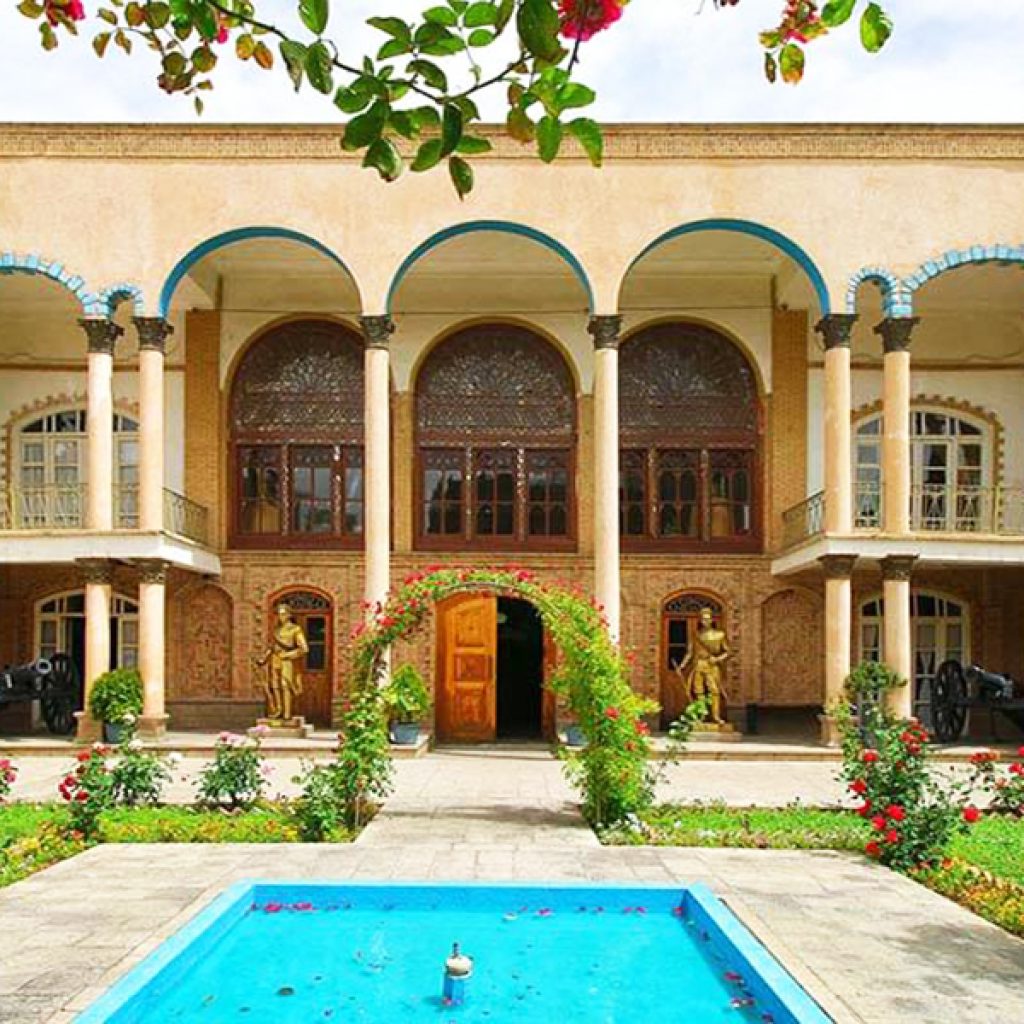
The Tabriz Constitution House, also known as Khaneh Mashrouteh, is one of the city’s most important historical landmarks associated with the Persian Constitutional Revolution. The house belonged to Haj Mehdi Kuzekonani, a prominent merchant and supporter of the constitutional movement, who made it a meeting place for constitutionalists during the struggle. Today, the Qajar-era house serves as a museum dedicated to the history of the Constitutional Revolution and the important role played by Tabriz in the movement.
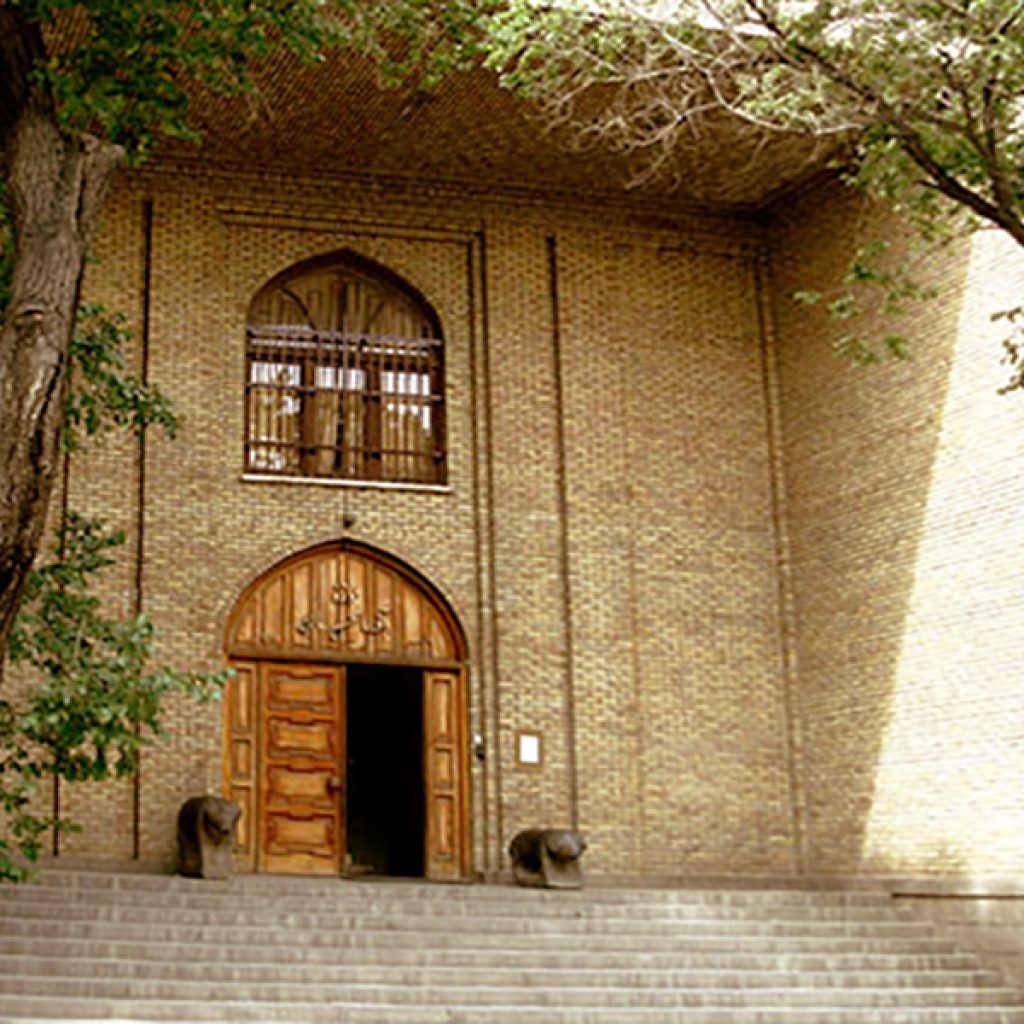
The Azerbaijan Museum is one of Iran’s most important archaeological and historical museums, located next to the Blue Mosque in the heart of Tabriz. Its collections include archaeological artifacts and historical objects from prehistoric, pre-Islamic, and Islamic periods, offering visitors a broad perspective on the history and cultural heritage of Iran and northwestern Iran.
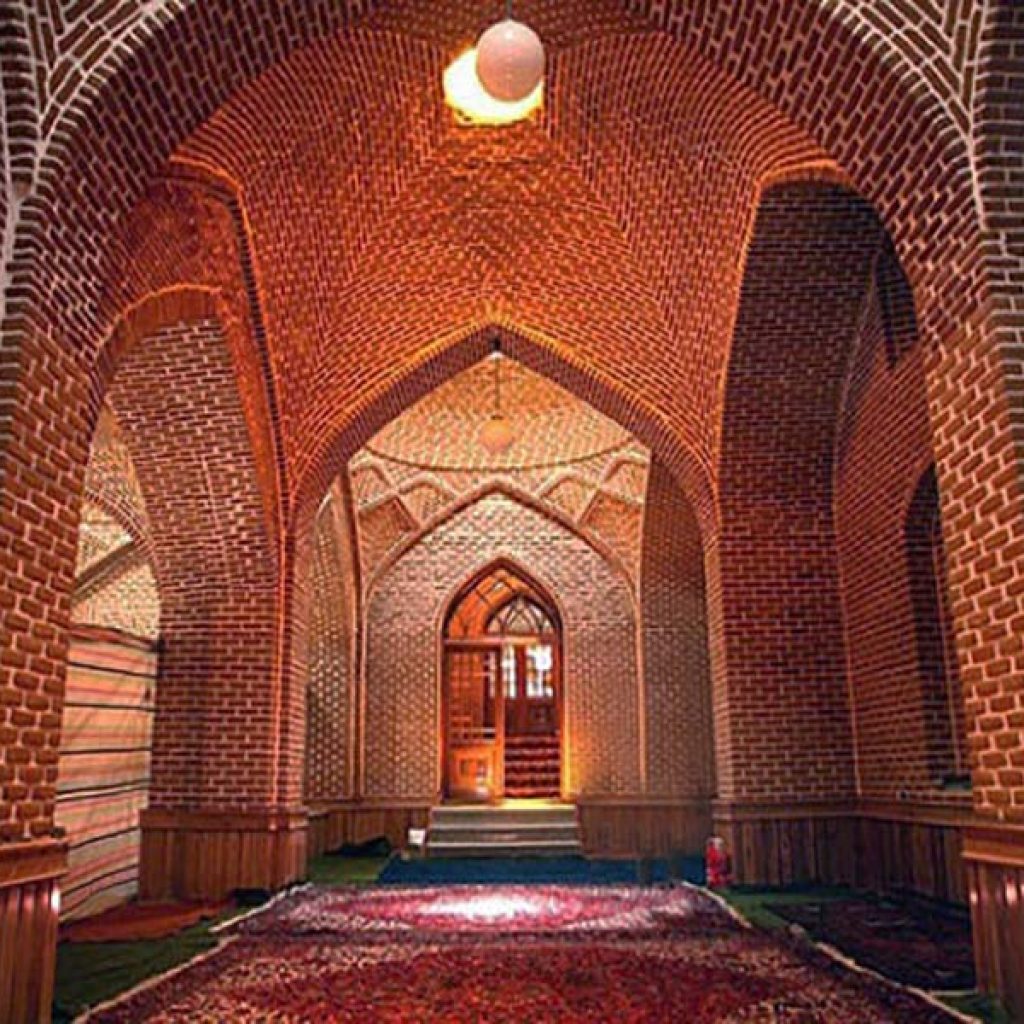
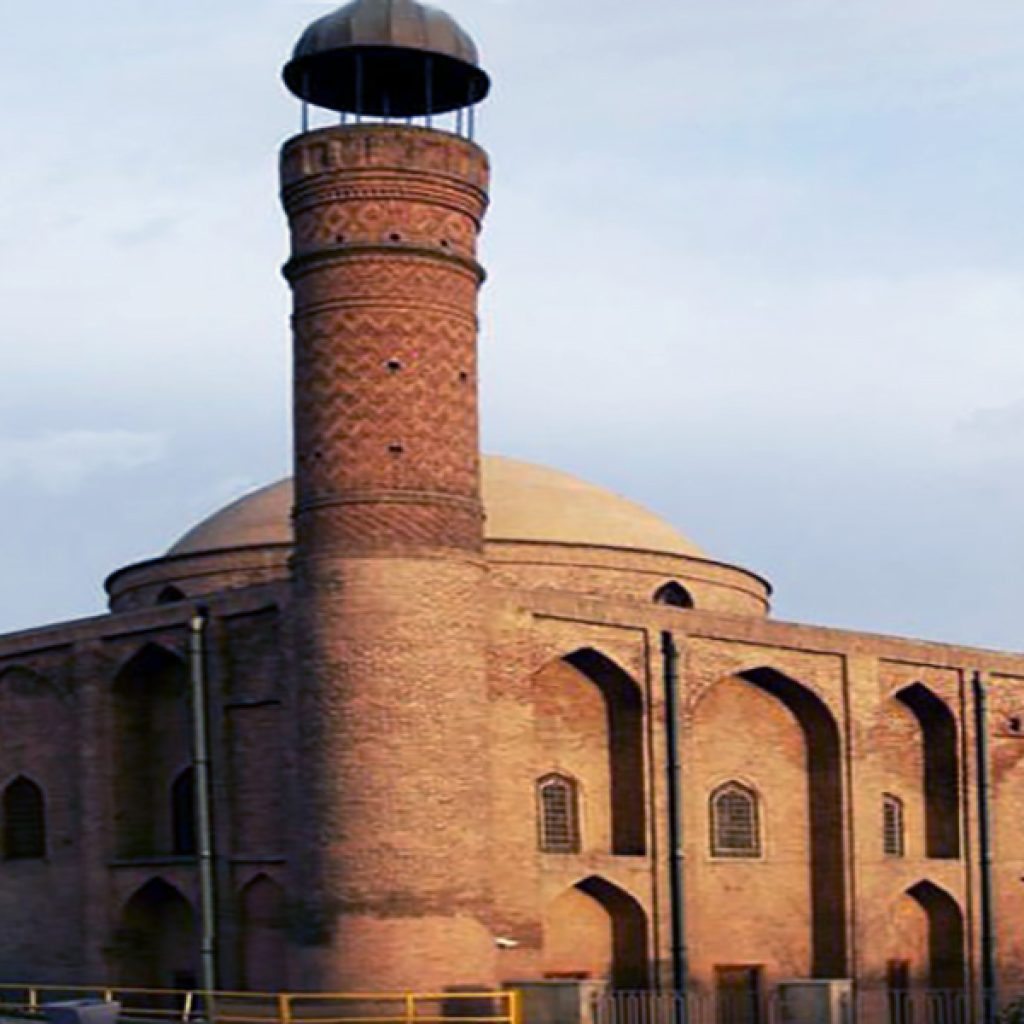
The Tabriz Jameh Mosque, also known as Jameh Kabir, is a historic congregational mosque located in the heart of Tabriz’s historic bazaar. Although the exact date of its original construction is uncertain, the mosque preserves architectural elements from several historical periods, including the Seljuk, Ilkhanid, Aq Qoyunlu, and Qajar eras. Its spacious prayer hall, brick columns, arches, domes, and intricate stucco decoration reflect the architectural evolution of Tabriz over centuries.
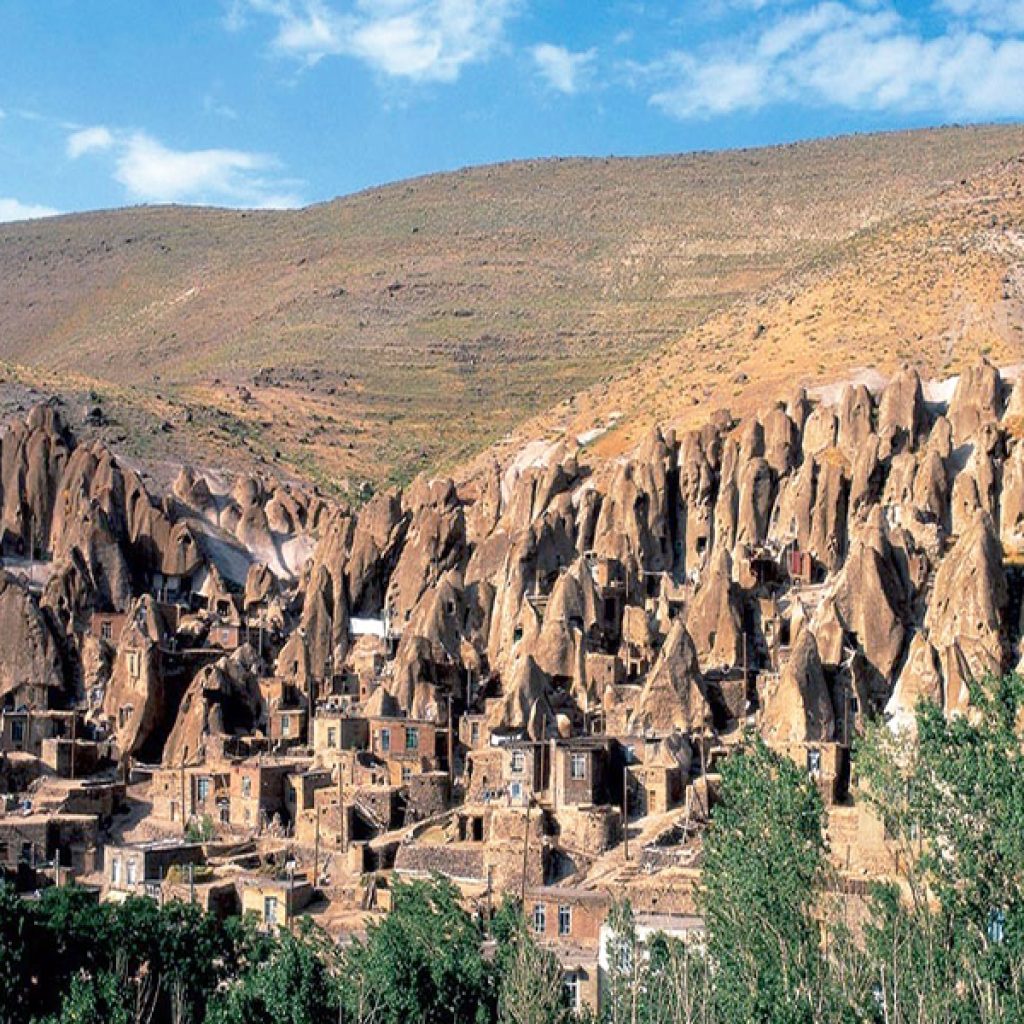
Kandovan Village is an extraordinary troglodyte settlement built into naturally formed volcanic rock cones near Osku in East Azerbaijan Province. Its distinctive homes are carved into the soft volcanic rock, with some structures extending over several levels. Unlike many historic rock-cut settlements that have been abandoned, Kandovan remains a living village where residents continue to live and work. Its unusual architecture and continuing community life make it one of the most remarkable cultural attractions near Tabriz.
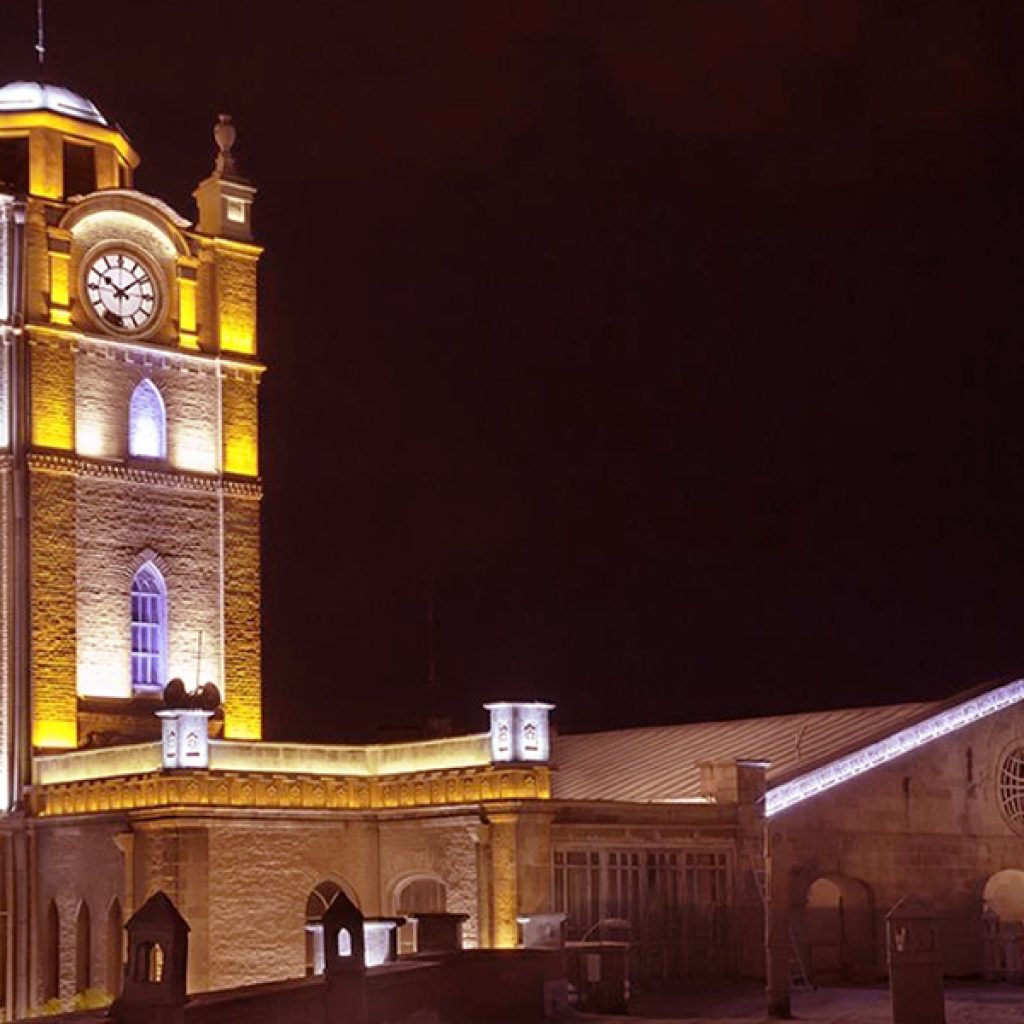
Tabriz Municipal Hall Museum, housed in the historic Tabriz Municipality Building at Saat Square, combines architectural heritage with the history of the city. Built in the 1930s under the supervision of German engineers, the building is known for its distinctive European-influenced design and clock tower. The museum, located in the basement of the building, displays collections including carpets, historical cameras, documents and manuscripts, musical instruments, and contemporary art.
Tabriz Museum of Measurement, housed in the historic Qajar-era Salmasi House, displays a collection of traditional and antique measuring instruments. The museum includes old clocks, scales, weights, compasses, and other tools used for measuring time, weight, length, and other quantities. The historic Salmasi House itself is also notable for its traditional architecture, including its courtyard, stained-glass windows, stucco decoration, and other Qajar-era features.
Tabriz St. Sarkis Church is an Armenian church located in the historic Lilava district of Tabriz, an area that was once home to a large Armenian community. The church served the local Armenian population and remains a reminder of the long-standing Armenian presence and cultural heritage of Tabriz. Together with the city’s other historic churches, St. Sarkis reflects the important role of the Armenian community in the religious and cultural history of northwestern Iran.
The Protestant Church of Tabriz is a historic Christian church associated with the Protestant missionary presence in the city. The American Presbyterian mission established a station in Tabriz in 1873, becoming involved in religious, educational, and medical activities in northwestern Iran. Historical records from the late 19th century document the church and school of the Presbyterian mission in Tabriz, reflecting the important role of Protestant missions in the religious and educational history of the city.
The Tabriz Quran and Calligraphy Museum is located within the historic Saheb-ol-Amr Mosque in the heart of Tabriz. Opened in 2001, the museum houses a collection of handwritten Qurans, historic manuscripts, and calligraphy works by prominent Iranian and Tabrizi calligraphers. Visitors can also see traditional writing instruments, decorated objects, and inscriptions that reflect the long-standing artistic traditions of Quranic writing and calligraphy in Iran.
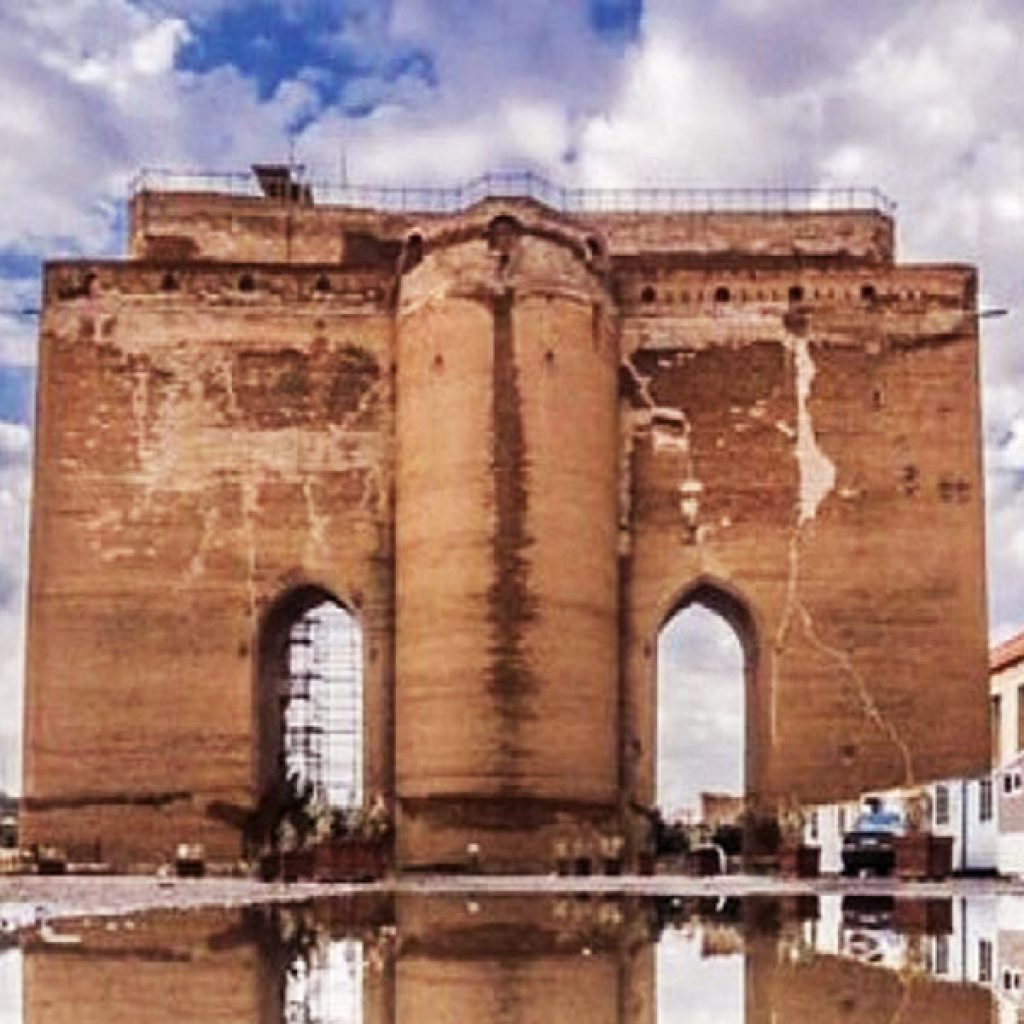
The Arg of Tabriz, also known as Arg-e Alishah, is one of the city’s most prominent historical monuments. Its massive brick structure is the surviving part of the Ilkhanid-era Mosque of Ali Shah, built in the early 14th century under the patronage of Taj al-Din Ali Shah Jilani, vizier to the Ilkhanid rulers Öljaitü and Abu Sa’id.
Over the centuries, the remains of the mosque took on a military role. In the early 19th century, the structure was converted into a citadel and incorporated into the defensive system of Tabriz. Today, its monumental brick walls and imposing scale remain a distinctive part of the city’s skyline and an important reminder of Tabriz’s Ilkhanid and Qajar history.
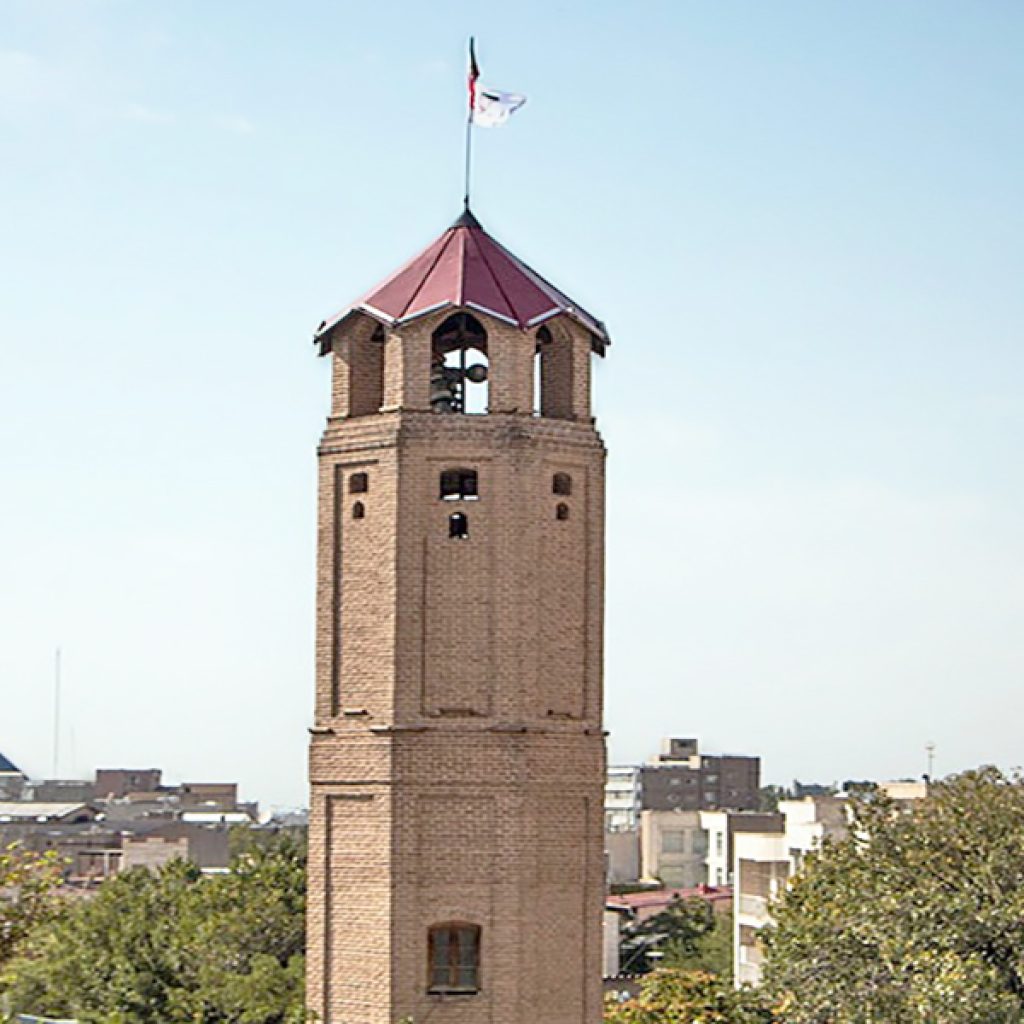
The Tabriz Firefighting Tower, also known as Yangin Tower, is a historic brick tower built in 1917 during the late Qajar period. Standing approximately 23 meters high, it was designed as a watchtower for detecting fires across the city. A lookout stationed at the top monitored Tabriz for signs of smoke or fire and alerted the firefighters when an incident was spotted. With its octagonal structure, eight openings near the top, and spiral staircase, the tower is an interesting reminder of the early development of organized firefighting in Tabriz.