Nain, Iran: Desert Heritage, Historic Mosques, and Traditional Crafts
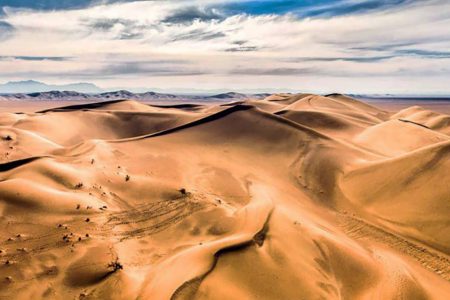
Nain, also spelled Naein or Naeen, is a historic town in Isfahan Province, east of Isfahan and west of Yazd. Located on the edge of Iran’s central desert, it is known for its traditional architecture, fine handwoven carpets, historic mosque, and distinctive desert surroundings. Its quiet streets and surviving historic buildings offer a glimpse into the cultural heritage of Iran’s central plateau.
For centuries, Nain’s position along regional routes connecting settlements across central Iran contributed to its local importance. The town’s architectural heritage reflects different periods of Iranian history, while its traditional crafts remain an important part of its identity. Beyond its historic centre, the surrounding arid landscape reveals the character of desert life, where water management, local materials, and practical design have long shaped how communities live.
A Town Shaped by Desert Life
Nain’s dry climate and limited rainfall have influenced its architecture and traditional way of life. Buildings were designed to provide shade and shelter from summer heat, while underground water channels helped make settlement possible in this challenging environment. The contrast between hot daytime temperatures and cooler evenings is characteristic of the region, particularly during the warmer months.
The town is also associated with traditional carpet weaving, a craft valued for its fine workmanship and distinctive designs. Exploring Nain offers visitors an opportunity to appreciate not only its historic monuments but also the skills and traditions that have developed in Iran’s desert communities.
When to Visit Nain?
Spring and autumn are generally the most comfortable seasons for exploring Nain. During these months, daytime temperatures are often more suitable for walking through the old town and visiting its historic sites. Summers can be extremely hot, while winter nights may be cold. Travellers planning outdoor activities should check local weather conditions and prepare for the dry climate.
What to Visit in Nain?
The Rigareh Underground Watermill is an unusual example of traditional engineering associated with Nain’s underground water system. Connected with the qanat tradition, it illustrates how communities in arid regions made practical use of limited water resources. Its underground setting offers a fascinating perspective on the ingenuity required to support life in the desert.
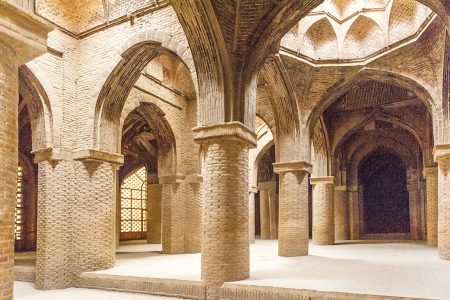
The Jameh Mosque of Nain is one of the town’s most significant historic landmarks and among Iran’s oldest surviving congregational mosques. Its architectural features include detailed brickwork, intricate plaster decoration, and a historic prayer space that reflects early Islamic architectural traditions in Iran. The mosque developed over time, making it an important place to explore the evolution of religious architecture on the central Iranian plateau.
Fatemi House is a traditional residence that reflects the architectural character of historic Nain. Like many heritage homes in Iran’s desert towns, its design offers insight into how domestic spaces were arranged to respond to local climate and cultural practices. Visitors interested in traditional Iranian architecture can appreciate the relationship between the building, its interior spaces, and the surrounding historic neighbourhood.
Narin Castle, also known as Narenj Castle, is one of Nain’s most prominent historic structures. Its elevated position and defensive character evoke the strategic importance of fortified settlements in earlier periods. Although details of its origins and construction history should be treated carefully, the castle remains an important feature of the town’s historic landscape.
Pirnya House and Kavir Anthropology Museum is a notable example of traditional architecture in Nain and houses the Kavir Anthropology Museum. The building and its exhibits provide an introduction to the customs, everyday life, and cultural traditions of communities in the desert region. It is a worthwhile stop for travellers seeking to understand the people and practices behind the area’s historic buildings.
Nain’s Old Bazaar reflects the traditional role of markets in the life of Iranian towns. Historic bazaars served as places for trade, craft production, and everyday social exchange. Although the scale and activity of the market have changed over time, the old bazaar remains part of the town’s cultural heritage and offers a glimpse into its commercial past.
The Mosallah Edifice and Garden form another historic attraction in Nain. The complex combines built heritage with an open garden setting, offering a different perspective on the town’s architectural traditions. Its atmosphere and layout make it a useful addition to a visit focused on Nain’s historic sites and cultural landscape.
Discover Nain With Kiasuntours
Nainoffers a quieter alternative to Iran’s better-known destinations, bringing together historic architecture, traditional craftsmanship, and the distinctive environment of the central desert. From its ancient mosque and fortified remains to its traditional homes and underground water heritage, the town rewards travellers who want to explore the many layers of Iranian history.
Discover Nain with Kiasun Tours and experience a different side of Iran, where desert landscapes and enduring cultural traditions come together.