Meybod, Iran: Ancient Fortresses, Desert Architecture, and Traditional Crafts
Meybod is a historic city in Yazd Province, central Iran, located northwest of Yazd city on the edge of the country’s central desert. Known for its remarkable adobe architecture, traditional pottery, and colourful Zilou floor coverings, Meybod offers visitors an insight into the history and ingenuity of life in Iran’s arid regions.
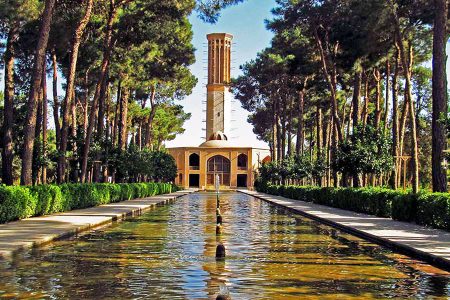
The city’s development has been closely connected to its desert environment. Traditional water systems, shaded buildings, and locally available construction materials helped communities adapt to limited rainfall and hot summers. Today, Meybod’s historic monuments and living craft traditions make it an appealing destination for travellers interested in Iranian history, architecture, and cultural heritage.
A City of History and Traditional Crafts
Meybod has a long history, with archaeological evidence pointing to settlement in the area dating back thousands of years. Its historic landscape reflects different periods of Iranian history, while its traditional neighbourhoods preserve the distinctive character of desert architecture.
The city is particularly well known for its pottery, ceramics, and Zilou weaving. Zilou is a traditional cotton floor covering valued for its practical design and suitability for warm climates. These crafts represent more than local products: they reflect skills passed down through generations and the close relationship between everyday life, available materials, and the desert environment.
Meybod also developed as an important centre during the Muzaffarid period. Its historic monuments, including Narin Castle and the traditional roadside buildings, illustrate the city’s role in the political, commercial, and cultural history of central Iran.
When to Visit Meybod?
Spring and autumn are generally the most comfortable seasons to explore Meybod. Temperatures are often more suitable for walking through historic sites and traditional neighbourhoods during these months. Summers can be intensely hot, while winter nights may be cold. Visitors planning outdoor sightseeing should check the forecast and prepare for the region’s dry conditions.
What to Visit in Meybod?
Narin Castle, also known as Narenj Castle, is one of Meybod’s most striking historic landmarks. Built mainly from mud brick and clay, the fortress rises above the surrounding town and reflects the importance of defensive architecture in the region. Archaeological evidence points to a very long history, with the site associated with several periods of settlement and use. Its layered structures offer a fascinating glimpse into the development of fortified settlements in central Iran.
Meybod Chaparkhaneh is a historic Qajar-era courier station that once served Iran’s traditional postal and communication network. Such stations provided places for couriers to rest, change horses, and continue carrying messages between towns. The building’s sturdy walls, courtyard, and former stabling areas reflect the practical needs of this system. Today, it houses a museum dedicated to the history of postal services and communications in Iran.
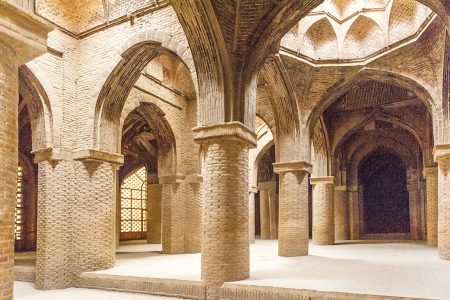
The Shah Abbasi Caravanserai is a notable example of Safavid-era roadside architecture. Designed around a central courtyard, caravanserais offered merchants and travellers shelter, accommodation, and a place to rest during long journeys. The complex forms part of Meybod’s wider historic ensemble, alongside other traditional structures associated with desert life. Visitors can also explore the region’s Zilou-weaving heritage and learn about one of Meybod’s best-known traditional crafts.
The Meybod Pigeon Tower is a distinctive example of traditional architecture designed for raising pigeons. Towers of this kind provided sheltered nesting spaces while allowing people to collect pigeon droppings, which were used as agricultural fertiliser. The carefully arranged interior illustrates how practical knowledge, local resources, and architectural design worked together in traditional Iranian rural life.
Meybod’s traditional ice house, or Yakhchal, demonstrates how people in desert regions stored ice before modern refrigeration. Its massive earthen structure and carefully designed form helped preserve ice collected during colder months for later use. The building is a striking example of climate-responsive architecture and the resourcefulness required to manage seasonal temperatures in an arid environment.
Meybod Old Town: exploring Meybod’s historic neighbourhoods reveals the everyday architecture of Iran’s central desert. Adobe walls, narrow lanes, and traditional buildings reflect centuries of adaptation to heat, scarce water, and local construction materials. Walking through these areas offers a quieter way to appreciate the city beyond its best-known monuments.
Discover Meybod With Kiasuntours
Meybod brings together ancient fortifications, historic caravan routes, traditional crafts, and ingenious desert architecture. From the imposing walls of Narin Castle to the historic Chaparkhaneh and the enduring art of Zilou weaving, the city offers a distinctive perspective on Iran’s cultural heritage.
Discover Meybod with Kiasun Tours and experience a historic desert town where craftsmanship, architecture, and centuries of history remain closely connected.