Mashhad, the capital of Razavi Khorasan Province in northeastern Iran, lies at an elevation of approximately 1,050 metres in a broad valley between the Binalud and Hezar Masjed mountain ranges. As one of Iran’s largest cities and its leading pilgrimage destination, Mashhad is best known for the Holy Shrine of Imam Reza, which attracts visitors and pilgrims from Iran and around the world.
The city’s bazaars reflect its commercial and religious character. Visitors can find saffron, dried fruits, nuts, turquoise and other gemstones, jewellery, perfumes, religious souvenirs, and traditional handicrafts. Mashhad is also known for its leather goods and related industries.
Before Mashhad developed into a major city, Sanabad was a small settlement near the ancient city of Tus, known in Greek sources as Susia. In 818 CE, Imam Reza, the eighth Imam of Twelver Shia Islam, died at Sanabad and was buried beside the tomb of the Abbasid Caliph Harun al-Rashid. According to Shia tradition, he was martyred, and the shrine that gradually developed around his burial place transformed Sanabad into an important centre of pilgrimage.
The Mongol invasion of Khorasan in 1220 devastated the nearby city of Tus, and its subsequent decline helped accelerate the growth of Mashhad.
As pilgrims and residents increasingly gathered around the shrine, the settlement expanded and gradually became known as Mashhad, a name derived from Arabic and commonly translated as “place of martyrdom.”
During the Safavid period, royal patronage and the establishment of Twelver Shia Islam as the state religion further increased the importance of Mashhad as a religious centre. In 1736, Nader Shah Afshar made Mashhad the capital of his empire, adding to the city’s political and commercial significance. During the 20th century, Mashhad expanded rapidly and developed into one of Iran’s largest urban centres.
Spring and autumn are generally the most pleasant seasons to visit Mashhad, offering comfortable temperatures for exploring the city’s historical and cultural attractions. April and May bring mild to warm weather, while September and October are also suitable for sightseeing. Summers can be hot and dry, particularly in July and August, whereas winters are cold and may bring occasional snowfall.
Many visitors also plan their trips around important religious occasions associated with the Imam Reza Holy Shrine. During these periods, the city attracts larger numbers of pilgrims, creating a particularly vibrant atmosphere around the shrine. However, visitor numbers can increase considerably, so arranging accommodation and travel plans in advance is advisable.
Mashhad is best known for the Imam Reza Holy Shrine, but the region offers much more than religious attractions. Within the city, visitors can explore historic mosques, museums, traditional bazaars, gardens, and recreational parks. Beyond Mashhad, Razavi Khorasan Province is home to historic towns such as Tus, Nishapur, Kalat, and Torbat-e Jam, as well as mountain villages, scenic countryside, and traditional windmills in Nashtifan.
Together, these destinations reveal the region’s rich religious, literary, architectural, and natural heritage, offering visitors a broader experience of northeastern Iran.
Imam Reza Holy Shrine Complex: The Imam Reza Holy Shrine Complex is the most important religious and architectural landmark in Mashhad and one of the major pilgrimage destinations in the Islamic world. Centred around the mausoleum of Imam Reza, the eighth Imam of Twelver Shia Islam, the complex has developed over nearly a thousand years into an extensive ensemble of religious, cultural, educational, and historical buildings.
The architectural complex includes the holy shrine, expansive courtyards, covered arcades, mosques, religious schools, museums, libraries, and other significant structures. Among its most striking features are the magnificent gilded dome, monumental iwans, intricate tilework, mirror decorations, and richly ornamented architectural details, reflecting the artistic traditions of different historical periods.
The complex underwent major phases of expansion and renovation during the Timurid and Safavid periods, followed by further developments during the Qajar and modern eras. The historic Goharshad Mosque, one of the finest examples of Timurid architecture in Iran, is among its most notable buildings.
Beyond its architectural significance, the shrine has played a central role in shaping Mashhad’s religious, cultural, social, and economic life. Today, it remains a major destination for pilgrims and visitors from Iran and around the world, offering a remarkable insight into the history of Islamic architecture and pilgrimage culture.
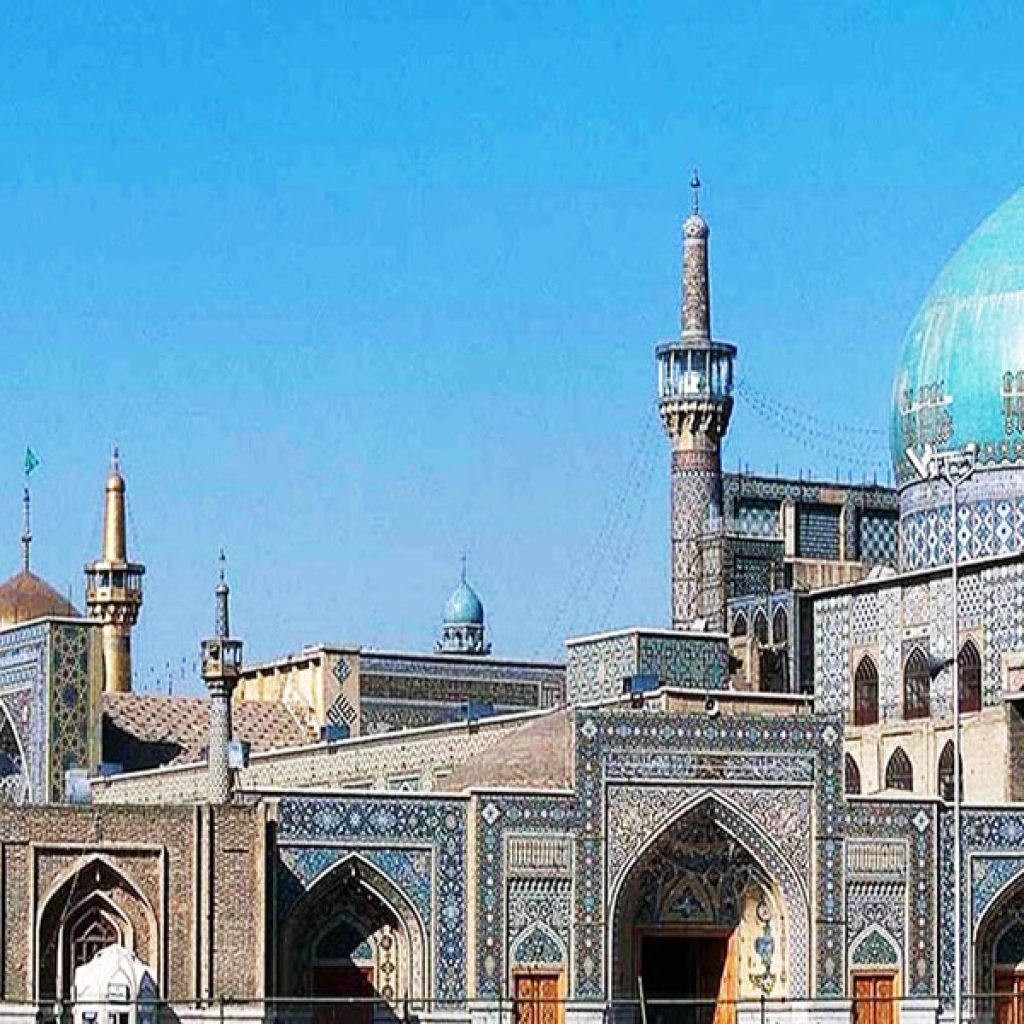
Goharshad Mosque: Located within the Imam Reza Holy Shrine Complex in Mashhad, Goharshad Mosque is one of the finest surviving examples of Timurid architecture in Iran. Commissioned by Goharshad Agha, the wife of the Timurid ruler Shah Rukh, the mosque was constructed in the early 15th century. Its foundation inscription records the date 821 AH (1418 CE), which is commonly associated with its construction. The renowned Timurid architect Qavam al-Din Shirazi is credited with its design.
The mosque follows a traditional four-iwan layout arranged around a central courtyard. Its most impressive feature is the monumental Qibla Iwan, also known as the Maqsura Iwan, flanked by two elegant minarets and opening into a large domed sanctuary. The courtyard façades and iwans are richly decorated with intricate mosaic tilework, glazed brickwork, ornamental inscriptions, and elaborate geometric and floral patterns.
The interior is particularly notable for its beautifully decorated mihrab, featuring finely detailed stucco work and muqarnas ornamentation. These architectural and decorative elements reflect the artistic achievements of the Timurid period and the sophisticated craftsmanship of its builders.
Today, Goharshad Mosque remains one of the most remarkable historical monuments within the Imam Reza shrine complex and an outstanding destination for visitors interested in Persian-Islamic architecture.
Tomb of Ferdowsi: Located in the historic city of Tus, approximately 25 kilometres northwest of Mashhad, the Tomb of Ferdowsi commemorates Abol-Qasem Ferdowsi, the celebrated Persian poet and author of the Shahnameh, one of the greatest epic works of Persian literature. Ferdowsi was buried in his own garden in Tus, and his tomb gradually became an important destination for admirers of Persian poetry and Iranian cultural heritage.
The present mausoleum was constructed between 1928 and 1934 as a monumental tribute to the poet. Its architectural design draws inspiration from ancient Persian architecture, particularly Achaemenid structures and the Tomb of Cyrus the Great at Pasargadae. The monument features a raised stone platform, imposing columns, and decorative inscriptions celebrating Ferdowsi and his literary legacy.
The complex underwent further renovation and expansion in 1969 under the supervision of Iranian architect Houshang Seyhoun. Its lower-level walls feature stone reliefs depicting episodes from the Shahnameh, bringing scenes from Iran’s legendary past into the architectural setting.
Surrounded by landscaped gardens, the site also includes the Ferdowsi Museum, where visitors can discover objects and exhibits related to the poet, the Shahnameh, and the history of ancient Tus. Today, the mausoleum is one of the most important cultural landmarks in Razavi Khorasan and a place of special significance for Persian literature and national heritage.
Nader Shah Afshar’s Tomb: Located in Naderi Garden in central Mashhad, the Tomb of Nader Shah Afshar commemorates the founder of the Afsharid dynasty and one of the most influential military rulers in Iranian history. The present mausoleum was designed by the renowned Iranian architect Houshang Seyhoun and constructed between 1956 and 1963, opening to the public in April 1963.
The architectural design combines modern geometric forms with traditional Iranian symbols. Built mainly from rough granite sourced from the Kuh-e Sangi area of Mashhad, the structure features interconnected open spaces and a distinctive tomb chamber inspired by the black nomadic tents associated with Nader Shah’s tribal origins. This symbolic design reflects his connection to the Afshar nomadic heritage.
One of the most striking features of the complex is the monumental bronze equestrian statue of Nader Shah, accompanied by three soldiers, mounted above a tall stone pedestal. Created by the celebrated Iranian sculptor Abolhassan Sedighi, the sculpture adds a dramatic focal point to the garden and mausoleum.
The complex also houses the Naderi Museum, with two exhibition halls displaying historical objects associated with the Afsharid period and the wider history of Iran. Its collections include weapons, military uniforms, paintings, historical manuscripts, coins, and other artefacts, offering visitors a closer look at Nader Shah’s military campaigns and the history of his dynasty.
Today, the mausoleum and museum together form one of Mashhad’s most significant historical and architectural attractions, combining modern Iranian architecture with the legacy of the Afsharid era.
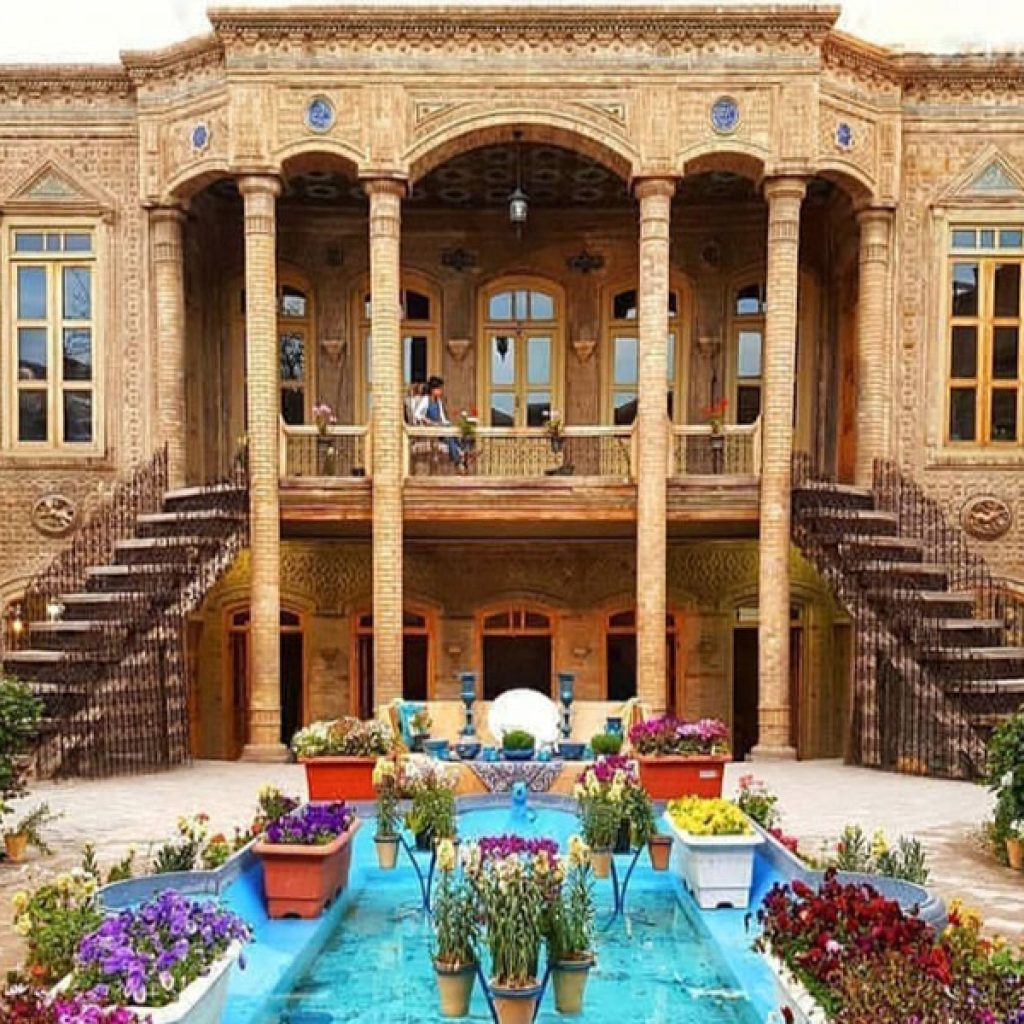
Darougheh Historical House: Located in the historic centre of Mashhad, near Navab Safavi Street, Darougheh Historical House is a remarkable example of late Qajar-era residential architecture. Built in the 1870s on the orders of Yousef Khan Harati, the local police chief or darougheh, the house was designed and constructed with the involvement of Russian architects, combining traditional Iranian residential design with European architectural influences.
The house is arranged around a central courtyard, with separate summer and winter residential sections designed to respond to seasonal changes in temperature. Its distinctive features include two-sided staircases, decorative brickwork, colourful tilework, carved wooden details, and intricate plaster ornamentation. The building also contains traditional domestic spaces such as a kitchen, bakery, basement, and private bathing facilities, reflecting the lifestyle and residential comforts of an affluent household during the Qajar period.
The combination of Iranian architectural traditions and Russian influences gives the house a distinctive character among Mashhad’s historic residences. Following a careful restoration project, it received an Honourable Mention in the 2016 UNESCO Asia-Pacific Awards for Cultural Heritage Conservation. Today, Darougheh House offers visitors an interesting glimpse into the architectural heritage and everyday domestic life of late Qajar-era Mashhad.
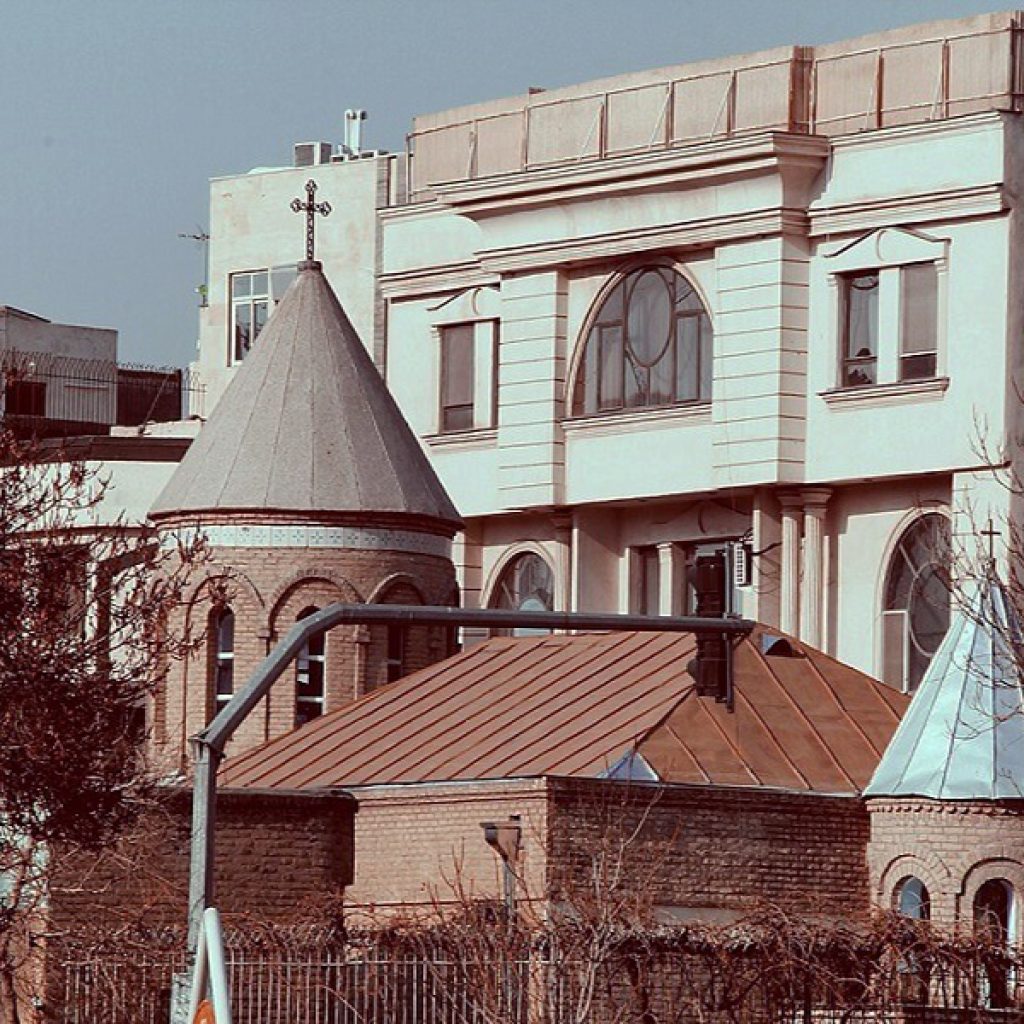
Saint Mesrop Armenian Church: Saint Mesrop Armenian Church, also known as Deh Dey Church, is an important reminder of the Armenian community’s historical presence in Mashhad. Located near 10 Dey Square, the church was built in 1941 by the Armenian residents of the city and served as an important religious and cultural centre for the local community.
The building features a distinctive basilica-style rectangular plan, oriented from east to west, with its altar positioned at the eastern end. Its architectural design includes two conical domes, the larger of which rises above the central section, while a smaller dome covers the entrance area. A bell tower stands above the western entrance staircase, and openings along the side walls provide natural light to the interior.
A library was added to the church in 1961, housing a collection of more than 1,000 books in Armenian and Russian. The church was registered on Iran’s National Heritage List in 2005, recognising its historical and architectural importance.
Following the migration of much of Mashhad’s Armenian community to other Iranian cities, the church gradually ceased its regular religious activities. Recent reports indicate that it has not been open to the general public since 2024. Nevertheless, it remains a significant part of Mashhad’s multicultural heritage and a valuable example of the city’s 20th-century religious architecture.
Reza Bazaar: Located along Imam Reza Street, between Beit al-Moqaddas Square and 17 Shahrivar Square, Reza Bazaar is one of Mashhad’s best-known shopping destinations, particularly popular among pilgrims and visitors to the Imam Reza Holy Shrine. Designed by Iranian architect Dariush Borbor and completed in 1976, the two-storey commercial complex was developed to accommodate traders displaced during the redevelopment of the areas surrounding the shrine.
Extending approximately 960 metres in length and 33 metres in width, the bazaar features a network of covered passageways, traditional-style brick arches, and interconnected shopping sections inspired by the architectural layout of Iranian bazaars. With approximately 1,711 shops across its two levels, it offers a lively atmosphere combining shopping, traditional crafts, and everyday commercial activity.
Visitors can explore a wide range of local products and souvenirs, including saffron, spices, rock candy, traditional sweets, turquoise, agate, jewellery, perfumes, prayer accessories, and handicrafts. Some workshops on the upper floor have also been associated with traditional crafts such as turquoise cutting, jewellery making, and embroidery.
Today, Reza Bazaar remains an important commercial destination in Mashhad, offering visitors an opportunity to discover local products and experience the city’s vibrant shopping culture.
Khajeh Abasalt Shrine: Located approximately 10 kilometres east of Mashhad, along the Mashhad–Fariman Road, Khajeh Abasalt Shrine is the mausoleum of Abu Salt Abd al-Salam ibn Salih al-Harawi, one of the close companions of Imam Reza, the eighth Imam of Twelver Shia Islam. According to Islamic historical accounts, Abu Salt accompanied Imam Reza to Khorasan and was among those who recorded accounts of the Imam’s life and final days.
The original mausoleum was a relatively simple domed structure with a four-sided plan. Following periods of restoration and expansion, the present complex has developed into a larger octagonal building, reflecting architectural elements associated with the Imam Reza Holy Shrine Complex. Its decorative features include colourful haft-rang tilework, intricate mirror mosaics, and an ornamental dome.
Today, the shrine remains a place of pilgrimage and religious significance for visitors to Mashhad. The surrounding complex also provides visitor facilities, including shops and places to rest, making it a notable religious destination beyond the city centre.
Khajeh Rabi Mausoleum: Located on the northern outskirts of Mashhad, Khajeh Rabi Mausoleum is a historic Safavid-era monument dedicated to Rabi ibn Khuthaym, a prominent early Muslim ascetic and one of the well-known followers of the Prophet Muhammad. The mausoleum stands within a large historic garden, which is now surrounded by a cemetery.
Although the site appears to have had an earlier tomb dating back to at least the Timurid period, the present monument was reconstructed and developed under the patronage of Shah Abbas I during the Safavid era, reportedly following the recommendation of Sheikh Baha’i. The building is distinguished by its octagonal exterior, four large iwans, four smaller iwans, and an impressive double-shell dome rising approximately 18 metres above the structure.
The turquoise-tiled dome is one of the monument’s most recognisable features, while the interior is decorated with colourful tilework, elaborate gilded paintings, and intricate ornamental details. Two important inscriptions bearing the calligraphy of the renowned Safavid calligrapher Alireza Abbasi, dated 1026 and 1031 AH, further enhance the historical and artistic significance of the building.
Today, Khajeh Rabi Mausoleum is an important example of Safavid religious architecture in Mashhad, offering visitors an opportunity to appreciate the artistic traditions and architectural achievements of this period.
Kalat-e Naderi and Khurshid Palace: Kalat-e Naderi is a remarkable historic region located approximately 150 kilometres north of Mashhad, in Razavi Khorasan Province. Surrounded by steep cliffs and dramatic mountain formations, this elevated plateau forms a natural fortress that has played an important defensive role throughout the region’s history.
Recognising its strategic importance, Nader Shah Afshar strengthened the area’s natural defences during his reign, reinforcing the main approaches with additional fortifications, towers, and defensive structures. He intended to transform Kalat into an important military stronghold and a secure base for his campaigns in northeastern Iran and beyond.
One of the region’s most significant historical monuments is Khurshid Palace, also known as Qasr-e Khurshid or the Sun Palace. Dating from the Afsharid period, this distinctive octagonal brick structure was commissioned by Nader Shah in the 18th century. Its original purpose remains a subject of historical debate, with interpretations associating it with a royal residence, a secure treasury, or a planned mausoleum for the ruler. Construction continued until Nader Shah died in 1747, when the building remained unfinished.
The monument is distinguished by its central cylindrical tower, decorative brickwork, carved stone details, and interior rooms adorned with paintings and plasterwork. Its architectural design combines Iranian traditions with decorative influences from Mughal India, reflecting the artistic connections of Nader Shah’s period. Today, Khurshid Palace stands as the best-known historic monument of Kalat and offers visitors an opportunity to explore the military history and architectural heritage of northeastern Iran.
Mahdi Gholi Beyk Historical Bath and Anthropology Museum: Located near the Imam Reza Holy Shrine, at the entrance to Mashhad’s historic bazaar, Mahdi Gholi Beyk Historical Bath is a remarkable example of Safavid-era public architecture. Built in 1617 by order of Mahdi Gholi Beyk, the royal stable master of Shah Abbas I, the bathhouse was endowed for the use of pilgrims and residents of the shrine area.
The building follows the traditional layout of Persian bathhouses, with interconnected spaces including a changing hall, transitional chambers, and heated bathing rooms. Its most remarkable section is the sarbineh, or changing hall, where an impressive dome rests on eight stone columns. The interior is decorated with elaborate tilework, plaster ornamentation, and a remarkable collection of layered wall and ceiling paintings. These paintings include scenes from Persian epic literature, folk stories, and the everyday social life of Mashhad, reflecting different periods from the Safavid to the Qajar era.
After a major restoration project, the historic bathhouse was converted into the Anthropology Museum of Astan Quds Razavi in 2006. Its collections include traditional bathing equipment, charcoal samovars, lamps, vessels, and historical photographs documenting aspects of everyday life in the region. Following a temporary closure, the museum reopened to visitors in April 2026.
Today, the bathhouse offers visitors an opportunity to explore the architectural ingenuity of traditional Iranian public baths while discovering the customs, artistic traditions, and social history of historic Mashhad.
Mashhad Botanical Garden: Mashhad Botanical Garden is an extensive botanical and recreational complex developed to preserve plant diversity, support scientific research, and provide educational opportunities for visitors. Officially opened in June 2013, the garden combines botanical collections with carefully designed landscapes, offering an opportunity to explore a wide variety of plant species from Iran and other regions.
The garden features several specialised collections, including medicinal and aromatic plants, a rose garden, native Iranian fruit trees, and botanical collections representing the Iran-Turan region and Central Asia. Other sections include a rock garden, an arboretum, conifer collections, and seasonal flower displays, each showcasing different aspects of plant diversity and landscape design.
Beyond its recreational appeal, the garden plays an educational and conservation role by supporting the study and preservation of plant species and introducing visitors to the importance of botanical diversity. Its landscaped pathways, themed gardens, and seasonal displays make it a pleasant destination for nature enthusiasts, families, and visitors interested in horticulture and environmental education.
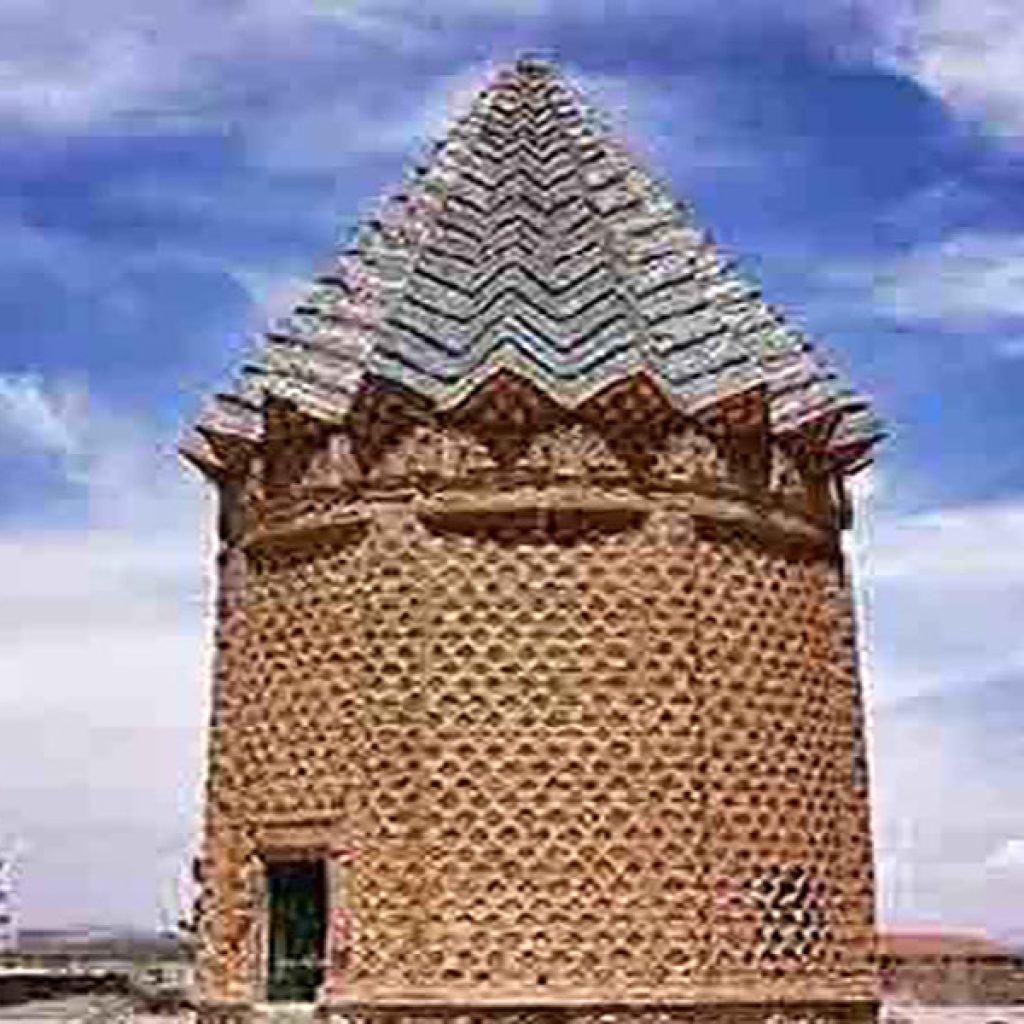
Akhangan Tower (Mil-e Akhangan): Located near Akhangan Village, approximately 22 kilometres north of Mashhad, Akhangan Tower is a distinctive historic funerary monument renowned for its unusual architecture and intricate brickwork. Standing approximately 17 metres high, the tower features a cylindrical exterior with eight projecting decorative half-columns, while its interior follows an octagonal plan.
The structure is crowned by a tall, double-shell conical dome decorated with geometric patterns and glazed tiles in shades of turquoise and Persian blue. The combination of carefully arranged brickwork, decorative tilework, and the tower’s distinctive proportions makes it an interesting example of medieval funerary architecture in the Khorasan region.
The monument’s exact date of construction remains uncertain, as no inscription identifying its original date has been found. While some architectural scholars associate it with the Timurid period, others suggest that its origins may be closer to the Ilkhanid era. The identity of the person buried inside the tower is also unknown.
Today, Akhangan Tower is recognised as an important historic monument in Razavi Khorasan and offers visitors an opportunity to discover the architectural traditions of medieval northeastern Iran.
Arsalan Jazeb Mausoleum and Ayaz Minaret: Located in the historic site of Sangbast, approximately 40 kilometres south of Mashhad along the Mashhad–Fariman Road, the Mausoleum of Arsalan Jazeb and the nearby Ayaz Minaret are important surviving monuments of early Islamic architecture in Khorasan.
Arsalan Jazeb was a governor of Tus during the reign of Sultan Mahmud of Ghazni in the early 11th century. According to historical accounts, he was buried at a caravanserai associated with him in Sangbast, where a mausoleum was subsequently erected above his grave. Constructed mainly of brick, the tomb features a rectangular plan, a low-rise dome, and an octagonal transitional structure beneath the dome. Its architectural details demonstrate the sophisticated brickwork techniques developed in medieval Khorasan.
The nearby Ayaz Minaret is another distinctive feature of the historical site. It is traditionally associated with the entrance of the old caravanserai, which originally had two brick minarets, only one of which has survived. Its cylindrical brick shaft and Kufic inscription reflect the refined craftsmanship of early Islamic architecture. The inscription also records the name of its builder, Ahmad al-Sarakhi.
Together, the mausoleum and minaret offer visitors a glimpse into the architectural traditions, caravan routes, and historical heritage of early Islamic Khorasan.
Torqabeh and Shandiz: Torqabeh and Shandiz are two popular countryside destinations near Mashhad, located in the foothills of the Binalud Mountains in Razavi Khorasan Province. Known for their pleasant mountain climate, green valleys, orchards, streams, and scenic landscapes, they offer a refreshing escape from the busy atmosphere of Mashhad, particularly during the warmer months.
Torqabeh is especially known for its gardens, riverside parks, traditional restaurants, and outdoor recreational areas. One of its best-known attractions is the Chalidareh Recreation Complex, where visitors can enjoy a range of leisure activities in a scenic setting surrounded by hills and water. Nearby villages, including Jagharq, also provide opportunities to explore the natural landscapes and rural character of the region.
Shandiz is another popular mountain destination, celebrated for its green gardens, pleasant climate, and local cuisine. It is particularly famous for Shandiz-style shishlik, a traditional grilled lamb dish that has become one of the region’s best-known culinary specialities. Its restaurants, landscaped gardens, and surrounding valleys make it a favourite destination for visitors seeking both natural scenery and traditional Iranian food.
Together, Torqabeh and Shandiz offer an appealing combination of mountain landscapes, outdoor recreation, local cuisine, and relaxed countryside experiences beyond the city of Mashhad.
Mashhad Miniature Park: Located in Qasemabad, in the western part of Mashhad, Mashhad Miniature Park is a cultural and recreational complex designed to showcase replicas of some of Iran’s most famous historical monuments and architectural landmarks. Officially opened in June 2016, the park covers an area of approximately eight hectares and offers visitors an opportunity to explore different aspects of Iran’s cultural and architectural heritage in a single setting.
Among the miniature replicas associated with the park are Persepolis, the Tomb of Ferdowsi, the Tomb of Attar, Khaju Bridge in Isfahan, Kandovan Village, Shazdeh Garden in Kerman, Arg-e Bam, and the Karun Dam. These scale models represent different regions of Iran and introduce visitors to the country’s diverse architectural styles, historical monuments, and cultural traditions.
Beyond its miniature displays, the park features landscaped green spaces, walking paths, water features, and recreational facilities. Its original design also incorporated a miniature railway, providing another way for visitors to explore the grounds and view the architectural models.
Mashhad Miniature Park offers an enjoyable and educational experience, particularly for families and visitors interested in discovering Iran’s cultural and architectural diversity through an unusual outdoor setting.
Mashhad Water Parks: Mashhad is home to several large indoor water parks, offering a wide range of aquatic activities and recreational facilities for visitors. Among the best-known are Water Waves Land, Iranian Water Park, Aftab Shore Park, and Mojhaye Khoroushan (Waves of Fury), each providing a variety of water-based attractions and leisure experiences.
These complexes feature facilities such as water slides, wave pools, swimming pools, lazy rivers, and dedicated recreational areas. Some also provide additional amenities, including saunas, jacuzzis, massage services, restaurants, and cafés. The range of attractions and facilities varies between venues, catering to different interests and age groups.
Water parks in Mashhad generally operate with separate facilities or scheduled sessions for women and men, although arrangements vary by venue and may change. Visitors are advised to check the latest operating schedules, access arrangements, and available facilities directly with each complex before planning a visit.
With their modern facilities and variety of aquatic attractions, Mashhad’s water parks offer an enjoyable alternative to the city’s religious, historical, and cultural attractions, particularly during the hot summer months.
Kooh Sangi Park: Located in the southwestern part of Mashhad, Kooh Sangi Park is one of the city’s oldest and most popular recreational areas. Its name, meaning “Stone Mountain”, comes from the two prominent rocky hills that form its most distinctive natural feature. From the higher parts of these hills, visitors can enjoy panoramic views of Mashhad and its surrounding landscape.
Originally a countryside retreat known for its rocky slopes, gardens, streams, and natural scenery, Kooh Sangi gradually became part of the expanding urban area during the 20th century. It was subsequently developed into a public recreational park, combining its natural landscape with landscaped gardens, walking paths, ponds, water features, and leisure facilities.
The park is also home to the Great Khorasan Museum, an important cultural attraction dedicated to preserving and presenting the history and heritage of the Khorasan region. The museum’s architectural design draws inspiration from historic Iranian monuments, including Harouniyeh and Khurshid Palace in Kalat.
With its combination of rocky hills, green spaces, recreational facilities, and cultural attractions, Kooh Sangi offers visitors a pleasant opportunity to experience a different side of Mashhad beyond its religious and historical landmarks.
Kang Village: Located approximately 30 kilometres west of Mashhad, near Torqabeh, Kang is a historic mountain village nestled in the Binalud Mountains of Razavi Khorasan Province. Set along the Kang River, the village is particularly famous for its distinctive stepped architecture, with traditional houses built closely together along the steep mountain slopes.
One of Kang’s most remarkable architectural features is the way its buildings follow the natural contours of the landscape. In some parts of the village, the flat roof of one house serves as the courtyard or access path for the home above it, creating a series of interconnected terraces. This traditional layout reflects the inhabitants’ adaptation to the mountainous terrain, local climate, and limited building space.
Surrounded by orchards, streams, narrow valleys, and mountain scenery, Kang also preserves aspects of traditional rural life. Gardening, fruit cultivation, livestock raising, and carpet weaving have long been part of the local economy and cultural traditions.
With its traditional architecture, winding pathways, scenic surroundings, and continuing village life, Kang offers visitors an opportunity to experience the rural heritage and mountain landscapes of the Mashhad region.
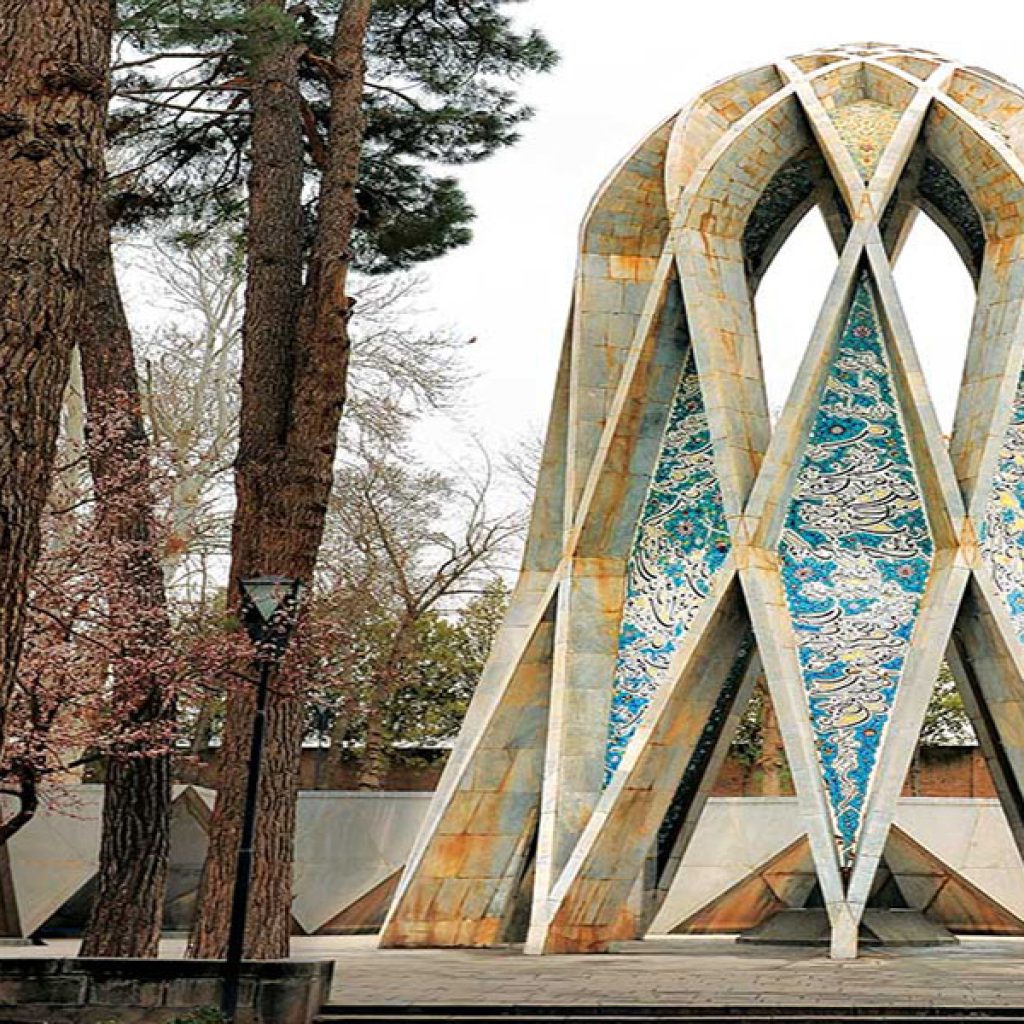
Tomb of Omar Khayyam: Located in Nishapur, the birthplace and burial place of Omar Khayyam, the mausoleum commemorates the celebrated Persian poet, mathematician, and astronomer. The present monument was designed by renowned Iranian architect Houshang Seyhoun and completed in 1963. It is widely regarded as one of the most distinctive examples of modern Iranian architecture.
Standing approximately 22 metres high, the mausoleum features an intricate geometric structure formed by intersecting ribs that rise from the base and converge into a distinctive star-shaped pattern at the top. The design reflects different aspects of Khayyam’s intellectual achievements, particularly his contributions to mathematics and astronomy, while also incorporating elements that honour his literary legacy.
The structure is decorated with turquoise tilework, geometric patterns, and inscriptions featuring quatrains attributed to Khayyam. The combination of architectural geometry, traditional decorative arts, and modern construction techniques gives the monument its remarkable character.
Set within a landscaped garden, the mausoleum is accompanied by the Omar Khayyam Astronomy Museum, which displays a collection of astronomical instruments, historical metalwork, pottery, manuscripts, and other objects related to Khayyam’s life and scientific legacy.
Today, the monument is one of Nishapur’s most recognisable landmarks and an important destination for visitors interested in Persian literature, mathematics, astronomy, and contemporary Iranian architecture.
Mausoleum of Attar of Nishapur: Located in a historic garden on the western outskirts of Nishapur, the Mausoleum of Attar of Nishapur commemorates Farid al-Din Attar, the celebrated 12th-century Persian poet, Sufi mystic, and author of influential literary works such as The Conference of the Birds and Tadhkirat al-Awliya. Attar is regarded as one of the most important figures in Persian mystical literature and is closely associated with the cultural and literary heritage of Nishapur.
The original mausoleum was established during the Timurid period in the 15th century by order of Ali-Shir Nava’i, the renowned poet and statesman. The structure follows an octagonal plan with four entrances and is crowned by a distinctive onion-shaped dome. Its exterior is decorated with colourful tilework in shades of turquoise, blue, green, and yellow, together with intricate ornamental patterns.
The mausoleum underwent major restoration during the Pahlavi period, giving it much of its present appearance, followed by further conservation work in the 1990s. Its architectural design combines traditional Persian forms with decorative tilework, creating a distinctive memorial to one of Iran’s most celebrated literary figures.
The surrounding garden also contains the nearby mausoleum of Kamal-ol-Molk, the renowned Iranian painter, and the tomb of contemporary musician Parviz Meshkatian. Together, these memorials make the site an important cultural destination for visitors interested in Persian poetry, art, music, and the literary history of Nishapur.
Nishapur Wooden Mosque: Located in Choubin Village, also known as the Wooden Village, near Nishapur in Razavi Khorasan Province, the Nishapur Wooden Mosque is a distinctive example of contemporary timber architecture in Iran. Designed and built by Iranian engineer Hamid Mojtahedi around the turn of the 21st century, the present mosque replaced an earlier structure that had stood on the same site.
Covering approximately 200 square metres, the mosque is constructed predominantly from wood and features a distinctive pitched roof resembling an upside-down boat. Two wooden minarets, each rising approximately 13 metres above the ground, are among its most striking architectural elements. The construction incorporates different types of timber, including pine, walnut, mulberry, and cherry wood, reflecting the careful craftsmanship and attention to detail behind the project.
Beyond its unusual appearance, the mosque is notable for its engineered timber structure, designed to improve earthquake resistance. Its interconnected wooden framework, double-layered walls, and specially designed structural connections demonstrate an innovative approach to combining traditional materials with modern construction techniques.
The mosque forms the central landmark of Choubin Village, a distinctive tourism complex that also includes a wooden house, library, museum, restaurant, and other recreational facilities. Its unusual architectural design and integration of wood throughout the complex make it an interesting destination for visitors interested in contemporary architecture, engineering, and traditional craftsmanship.
Sheikh Ahmad-e Jami Shrine Complex: Located in Torbat-e Jam, approximately 165 kilometres east of Mashhad, the Sheikh Ahmad-e Jami Shrine Complex is an important historical and religious ensemble in Razavi Khorasan Province. It commemorates Sheikh Ahmad-e Jami, also known as Zhendepil, a prominent Persian Sufi mystic, scholar, and poet who lived from 1048 to 1141.
During his lifetime, Sheikh Ahmad established a khanqah, or Sufi centre, in the region for teaching and guiding his followers. Following his death, the site gradually developed into an extensive religious complex, with additional buildings commissioned by his descendants, followers, and successive rulers. Its architectural remains represent several historical periods, including the Seljuk, Al-Kurt, Timurid, Safavid, and Qajar eras.
The complex includes the central mausoleum, a monumental iwan, several mosques, a madrasa, and historic domed chambers. Among its most notable structures are the Kermani Mosque, Gonbad-e Safid (White Dome), and Gonbad-e Firuzshahi. The imposing brick and plaster architecture, decorative tilework, stucco ornamentation, and historic inscriptions illustrate the artistic development of Islamic and Sufi architecture in Khorasan.
One of the most striking features is the monumental entrance iwan, completed in the 14th century, with its richly decorated tilework later enhanced during the Safavid period. Together, the buildings create an impressive architectural ensemble centred around a large courtyard and the shrine of Sheikh Ahmad.
Today, the complex remains an important religious and cultural destination, offering visitors an opportunity to explore the history of Sufism and the architectural heritage of northeastern Iran.
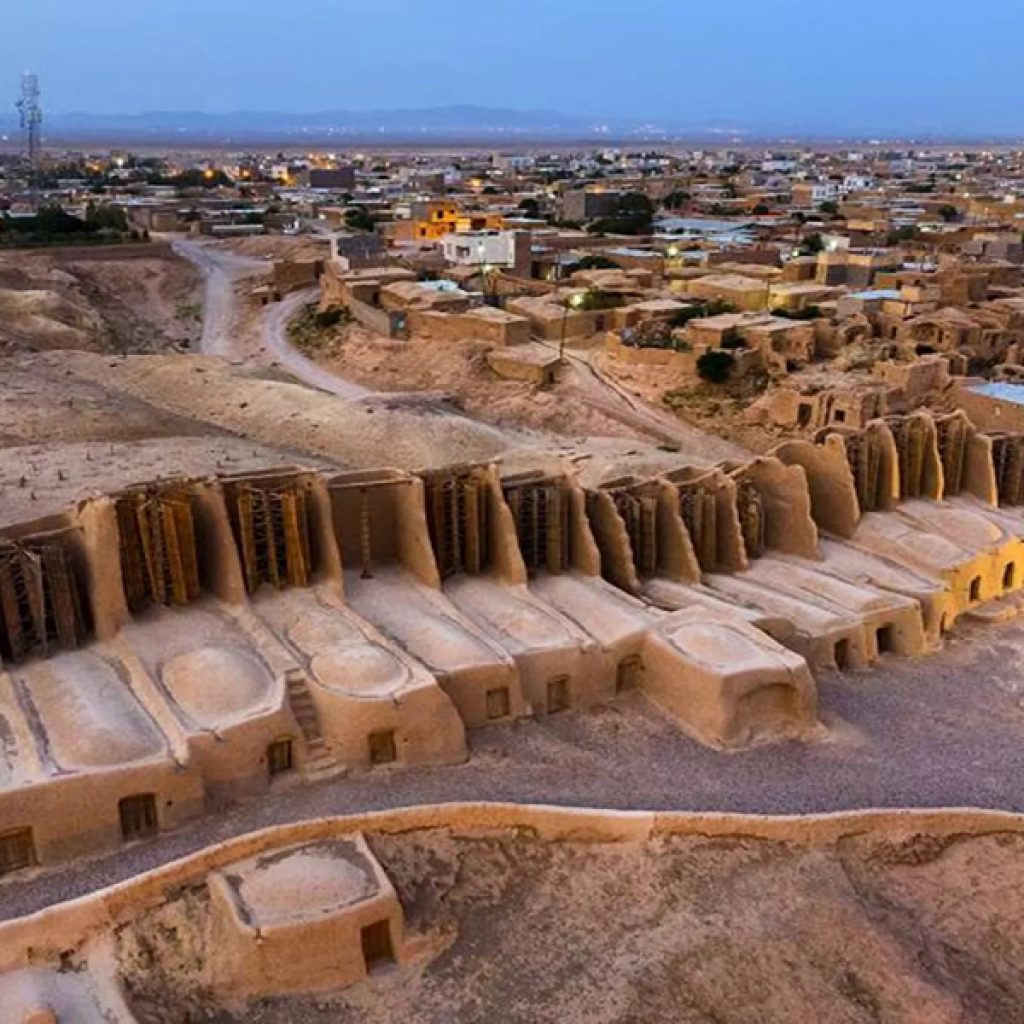
Nashtifan Windmills (Asbads): Located in Nashtifan, in Khaf County of Razavi Khorasan Province, the historic windmills of the region, locally known as Asbads, are remarkable examples of traditional Iranian engineering and the use of renewable energy. Built mainly from mudbrick, clay, and wood, these structures were designed to harness the powerful seasonal winds of eastern Iran, particularly the famous 120-day winds of Sistan.
Unlike conventional European windmills, Iranian Asbads use a vertical-axis mechanism in which wooden sails are driven by strong northerly winds. The rotating wooden shaft transfers the movement to millstones below, allowing grain, particularly wheat, to be ground into flour. This ingenious technology demonstrates how local communities adapted their architecture and daily activities to the environmental conditions of the region.
The windmills were traditionally built in rows, often on elevated ground where they could capture the strongest winds. Their compact arrangement and shared walls also helped reduce the impact of strong winds and storms on nearby settlements. Their construction from locally available materials, combined with a simple yet effective mechanical system, reflects generations of practical knowledge and craftsmanship.
Although the exact date of their construction remains uncertain, Nashtifan’s Asbads represent one of the most remarkable surviving examples of Iran’s traditional wind-powered milling technology. The site forms part of the Asbads (Windmills) of Iran property, which was added to UNESCO’s World Heritage Tentative List in 2017.
Today, these historic structures offer visitors a fascinating insight into traditional engineering, rural life, and the ingenuity of communities that learned to harness the natural power of wind in northeastern Iran.
Mashhad is more than a major pilgrimage destination; it is a gateway to the rich cultural, historical, and natural heritage of northeastern Iran. From the magnificent Imam Reza Holy Shrine and the historic landmarks of Tus to the literary heritage of Nishapur, the mountain villages of the Binalud range, and the remarkable windmills of Nashtifan, the region offers a diverse range of experiences for travellers.
Discover Mashhad and Razavi Khorasan with Kiasun Tours and explore a region where religious traditions, Persian literature, historic architecture, and distinctive natural landscapes come together.
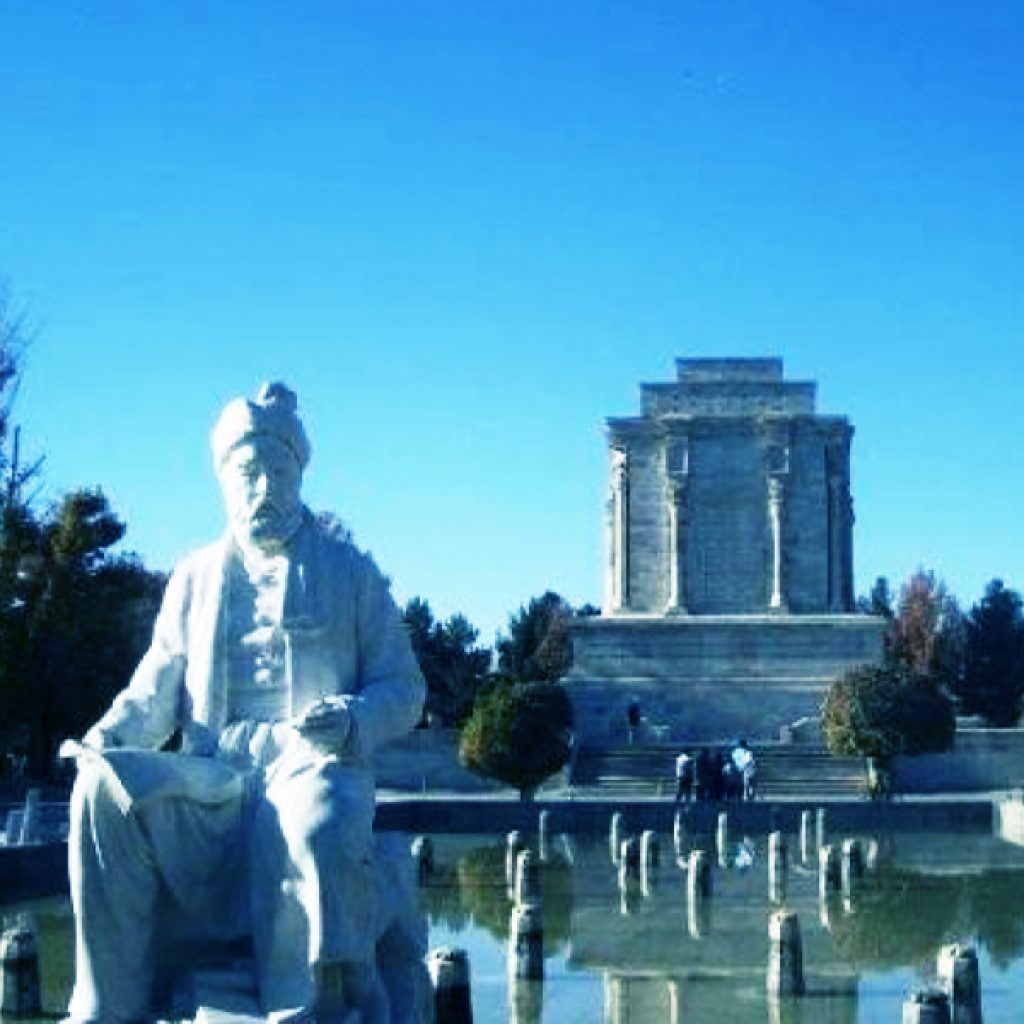
Tomb of Ferdowsi
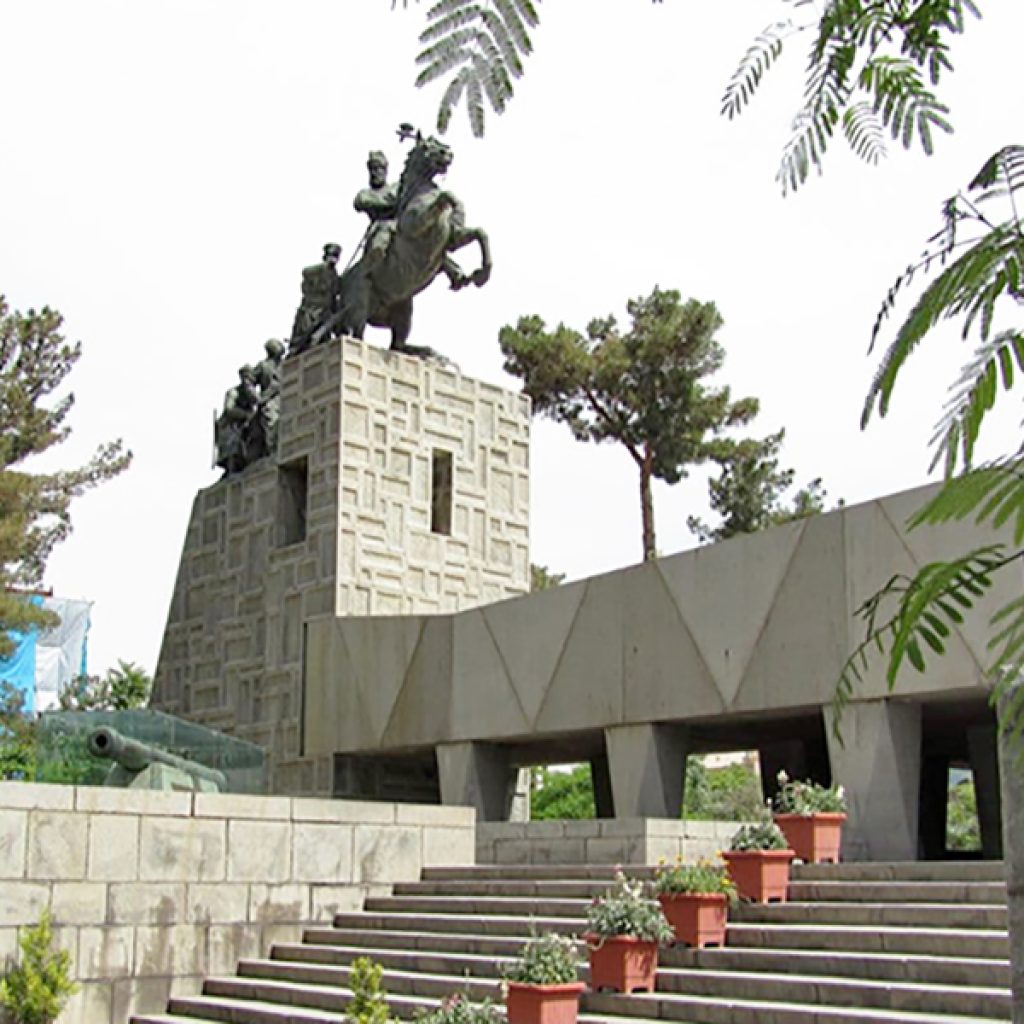
Tomb of Nader Shah Afshar
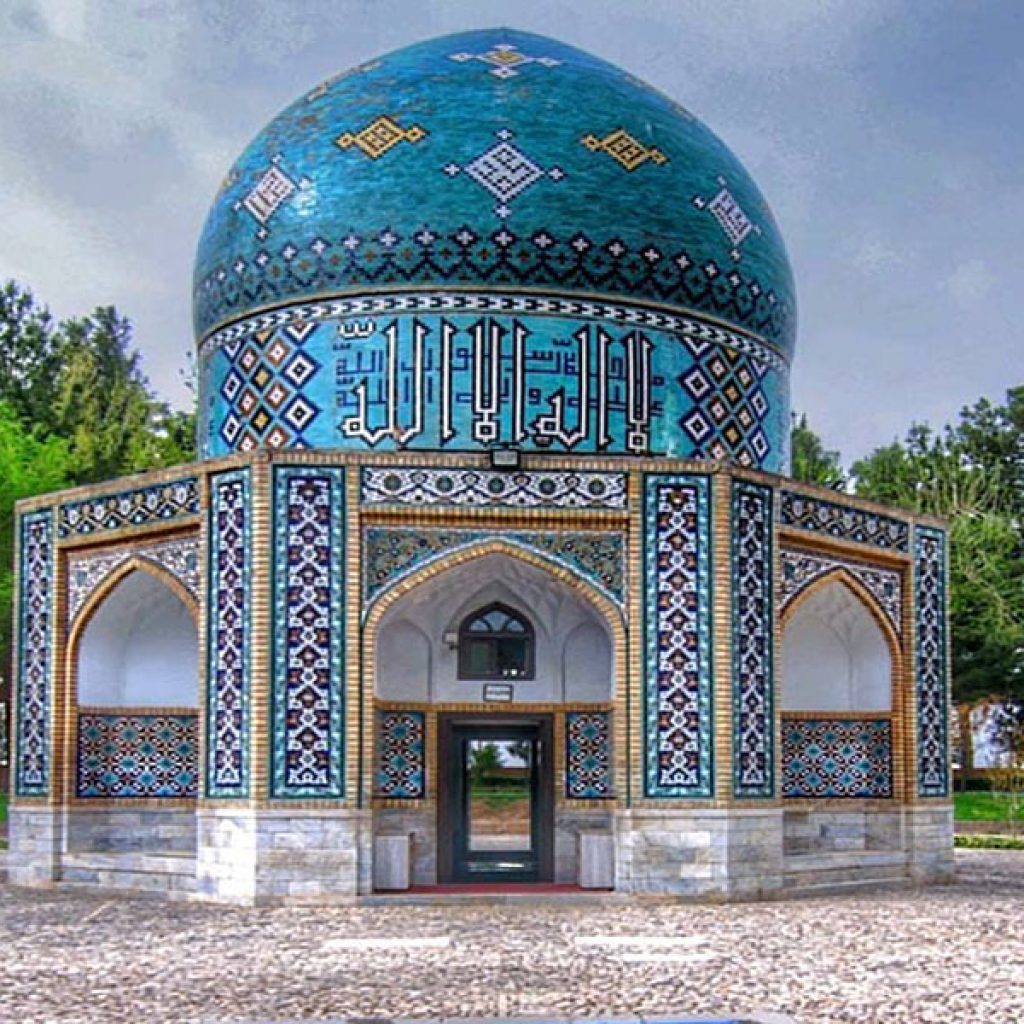
Mausoleum of Attar-e-Nishapuri
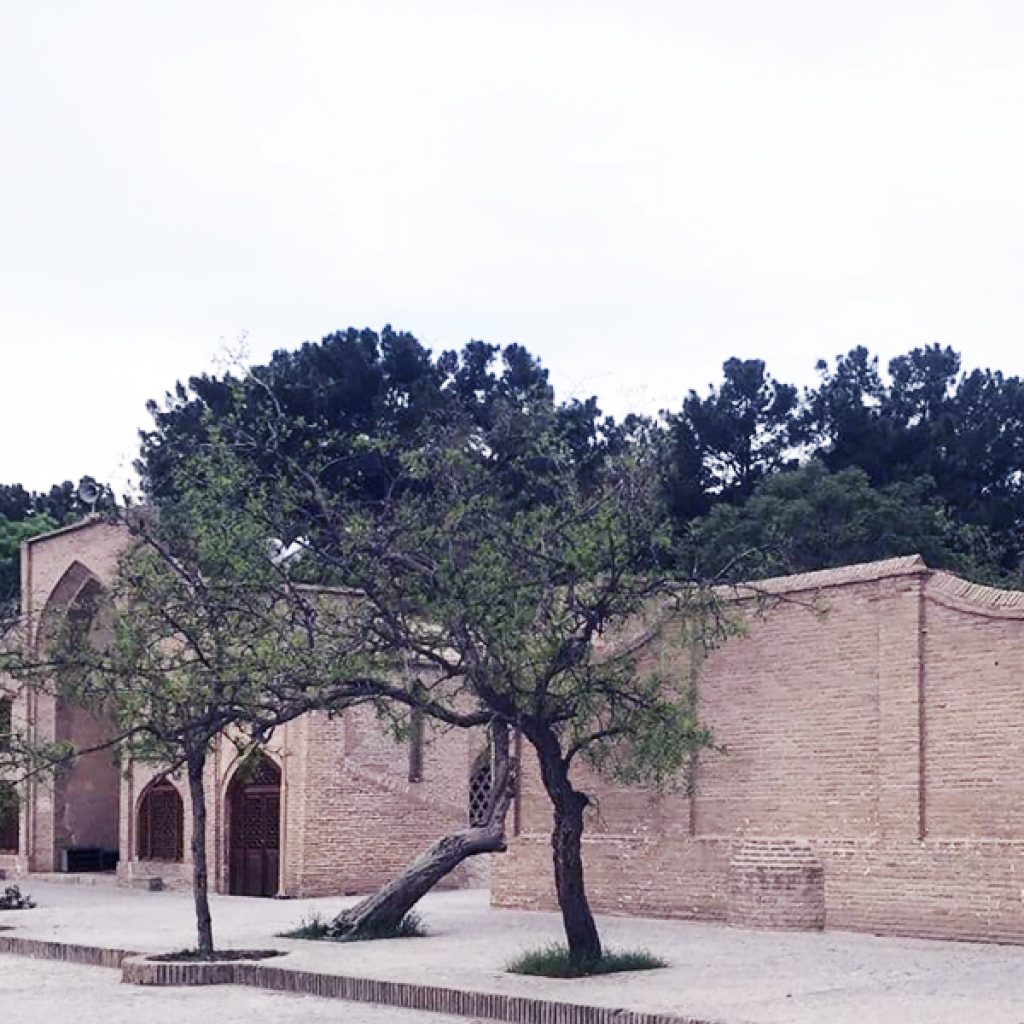
Sheikh Ahmad-e Jami Mausoleum Complex
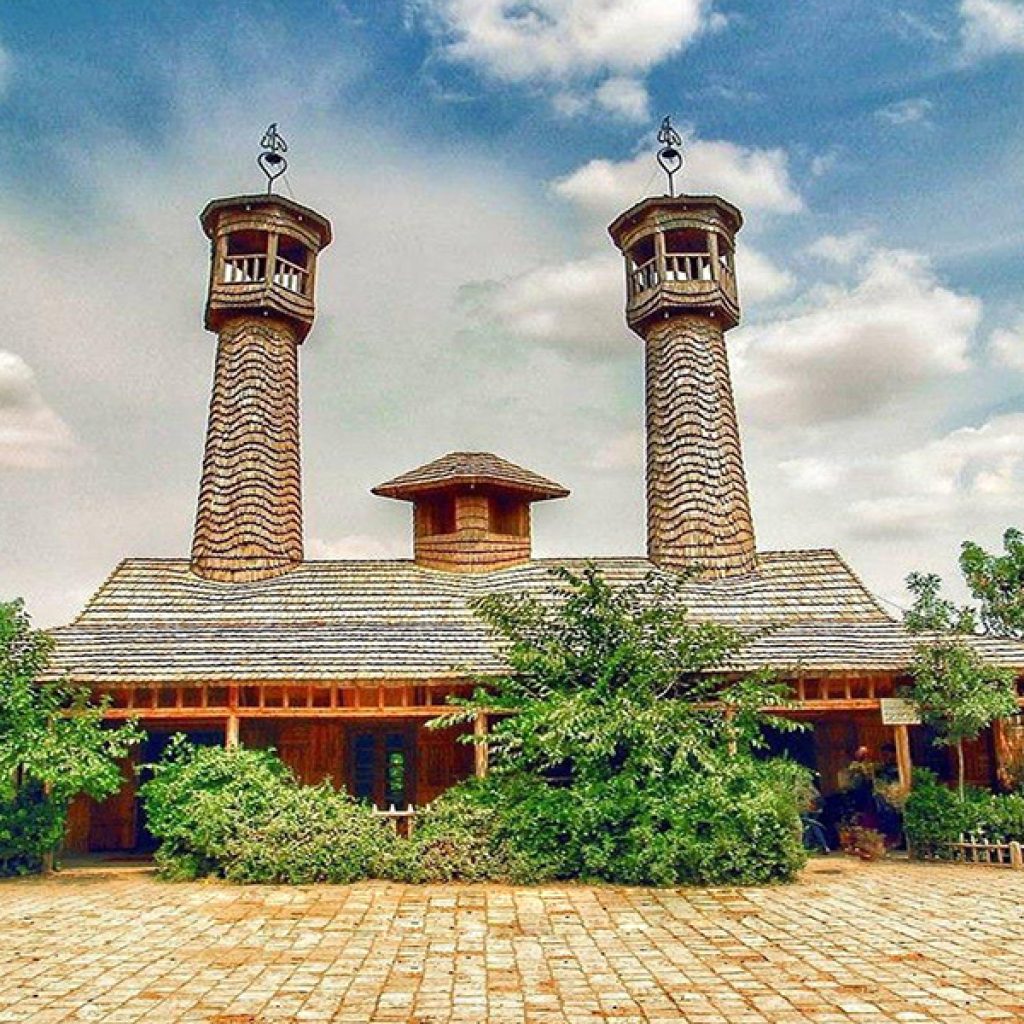
Nishapur Wooden Mosque
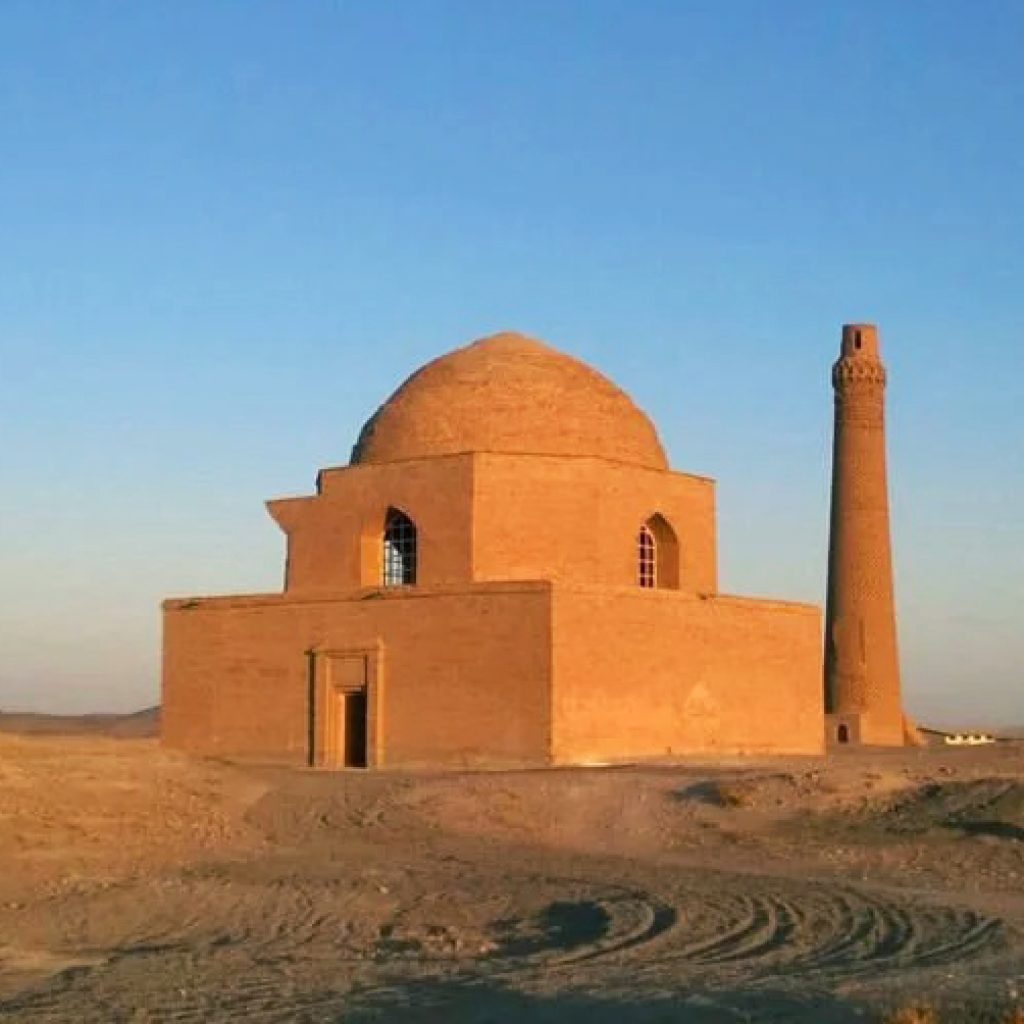
Tomb of Arsalan Jazeb and Ayaz Minaret
Akhenjan Tower
Goharshad Mosque
Darougheh House
Saint Mesrop Armenian Church
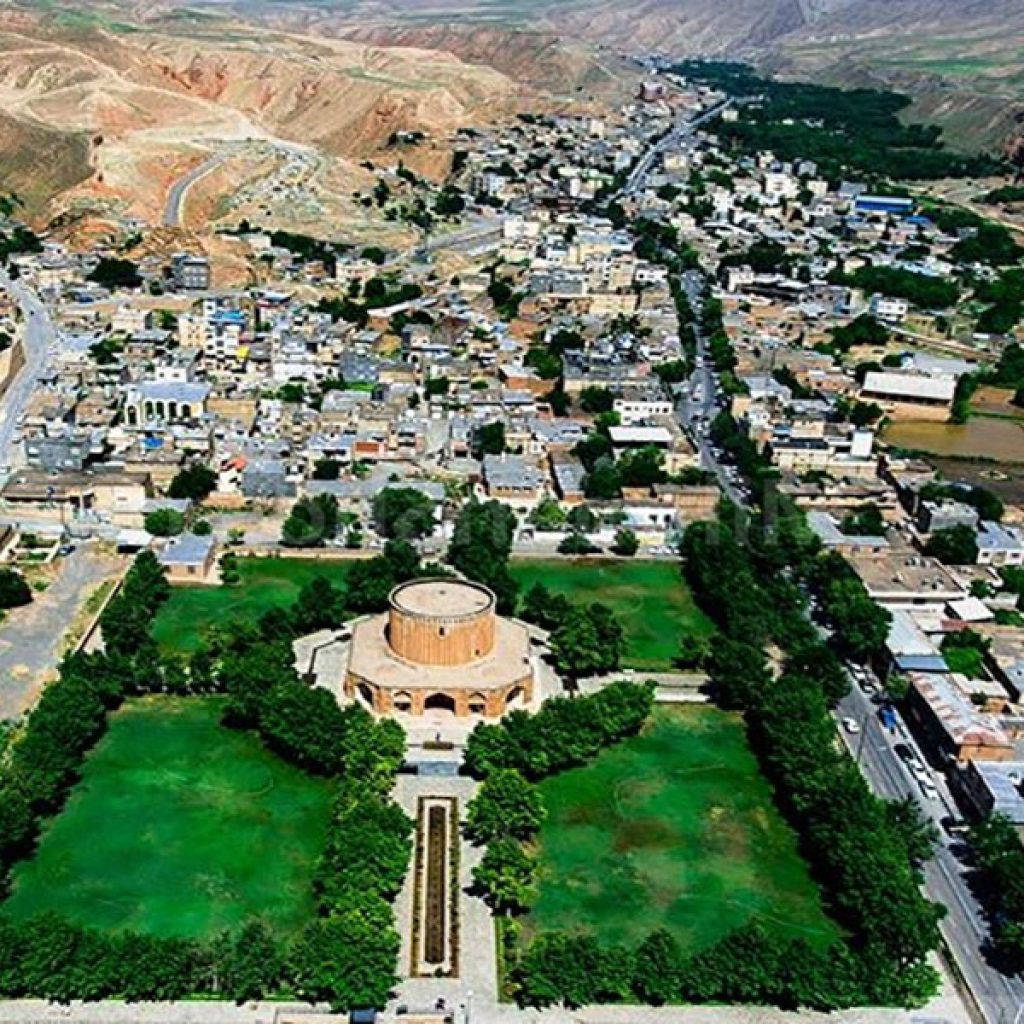
Kalat-e-Naderi complex and Khurshid Palace
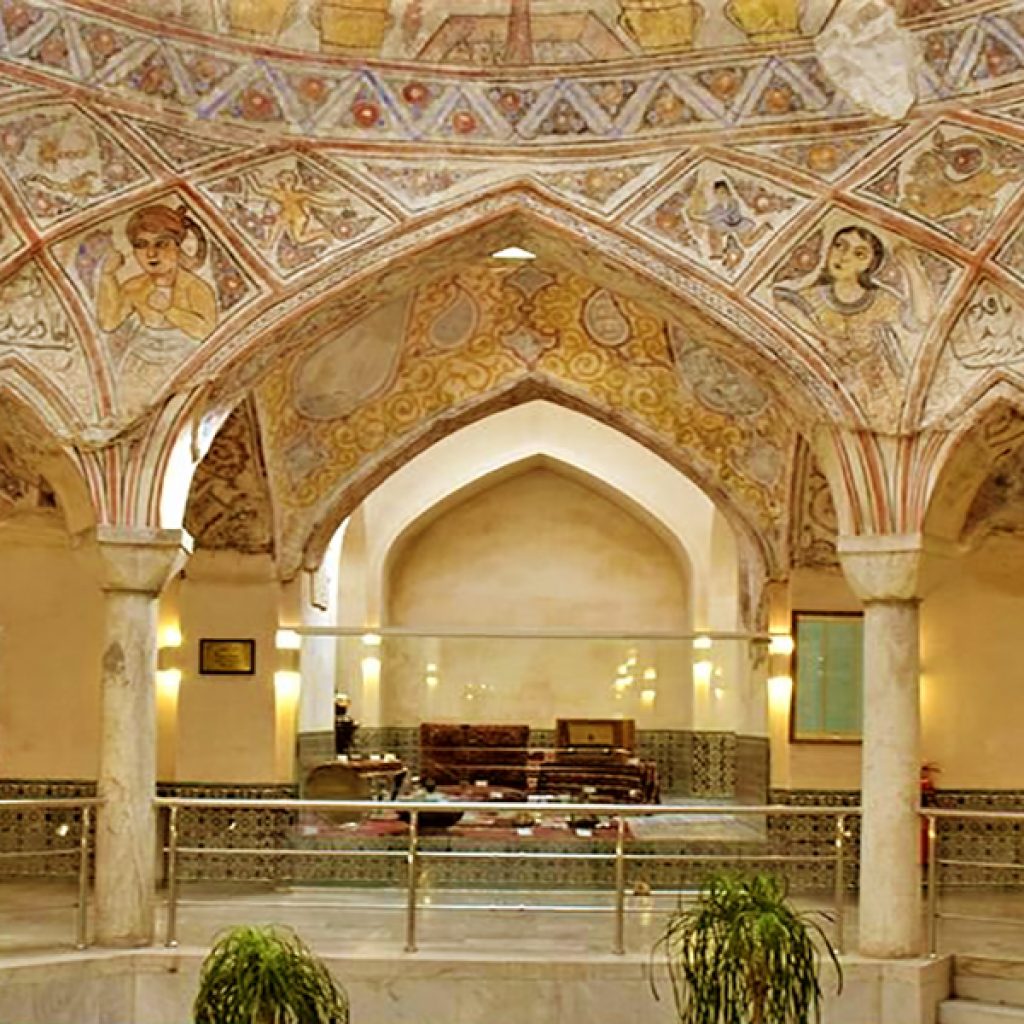
Mahdi Gholi Beyk historical bath

Kang village

Kooh Sangi Park
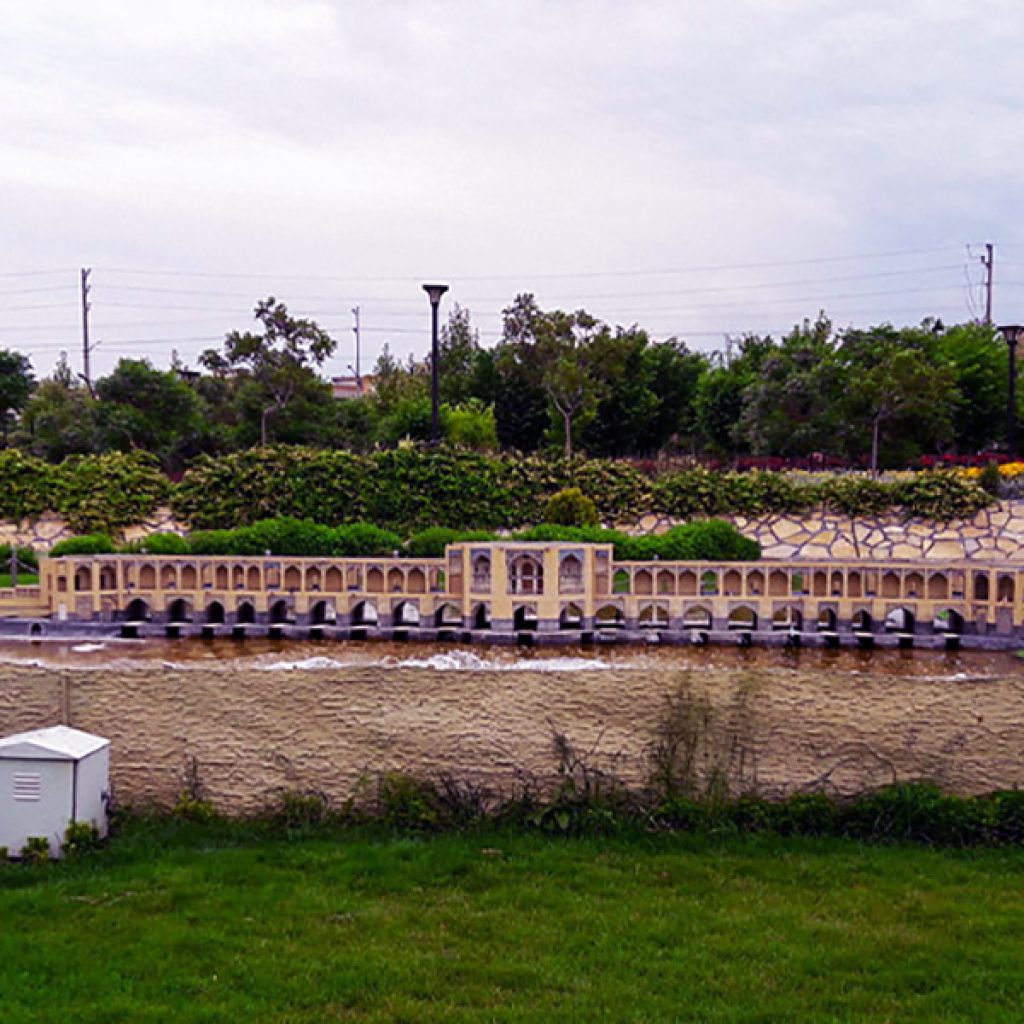
Mashhad Miniature Park
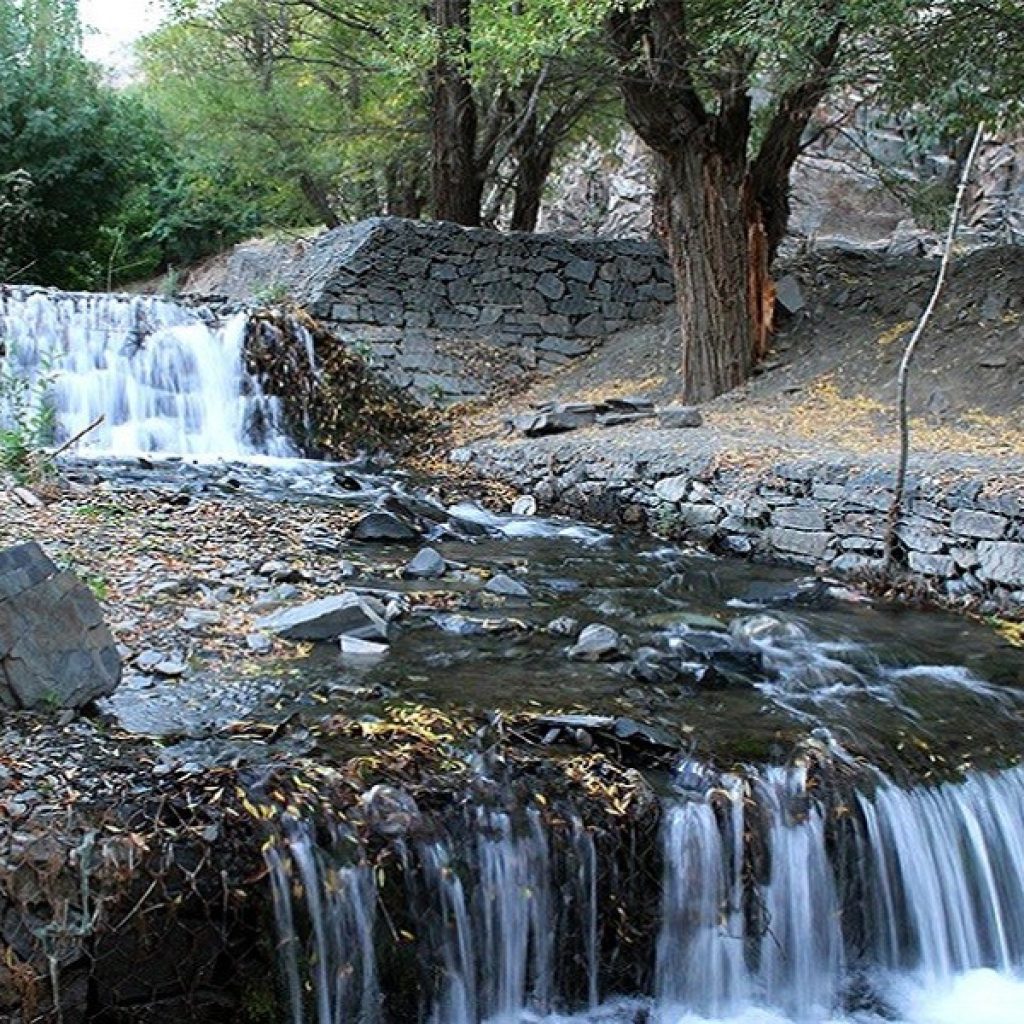
Torghabeh and Shandiz County
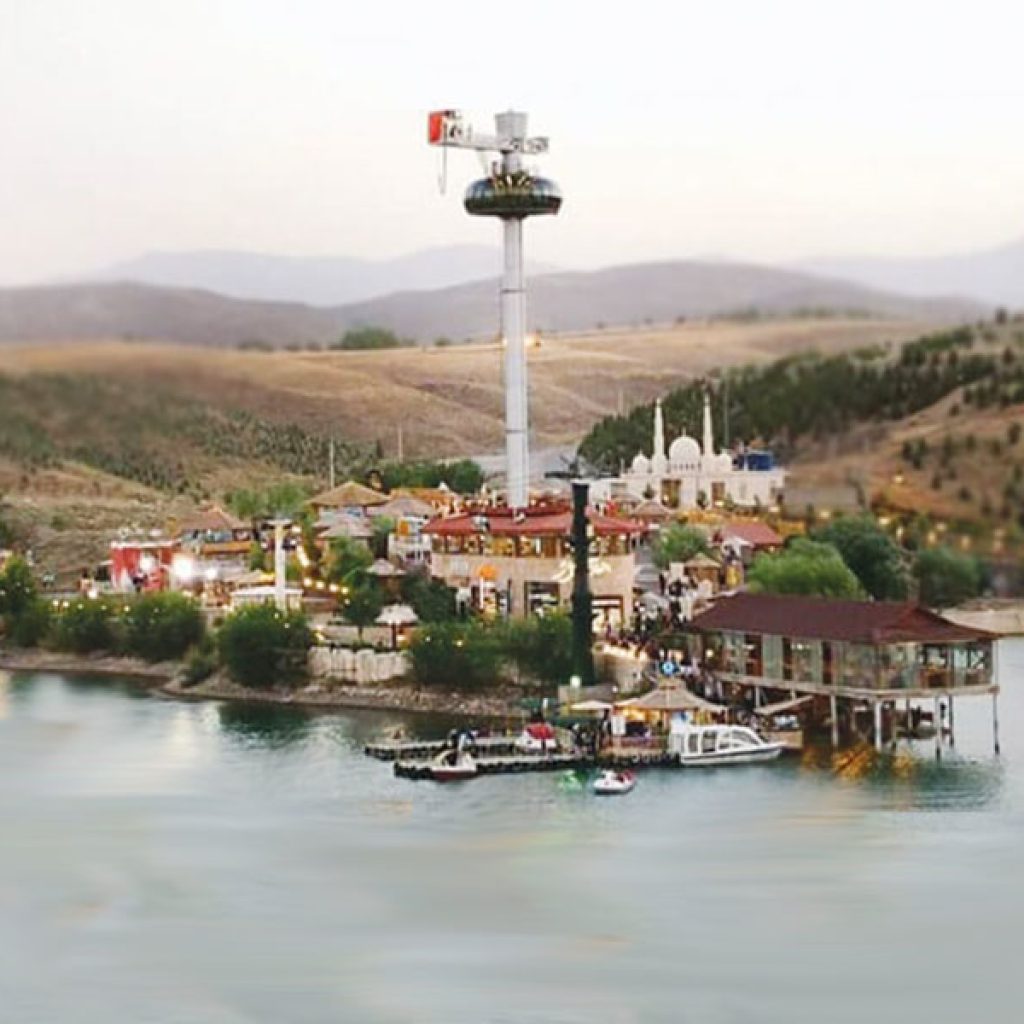
Chalidareh Tourist Complex
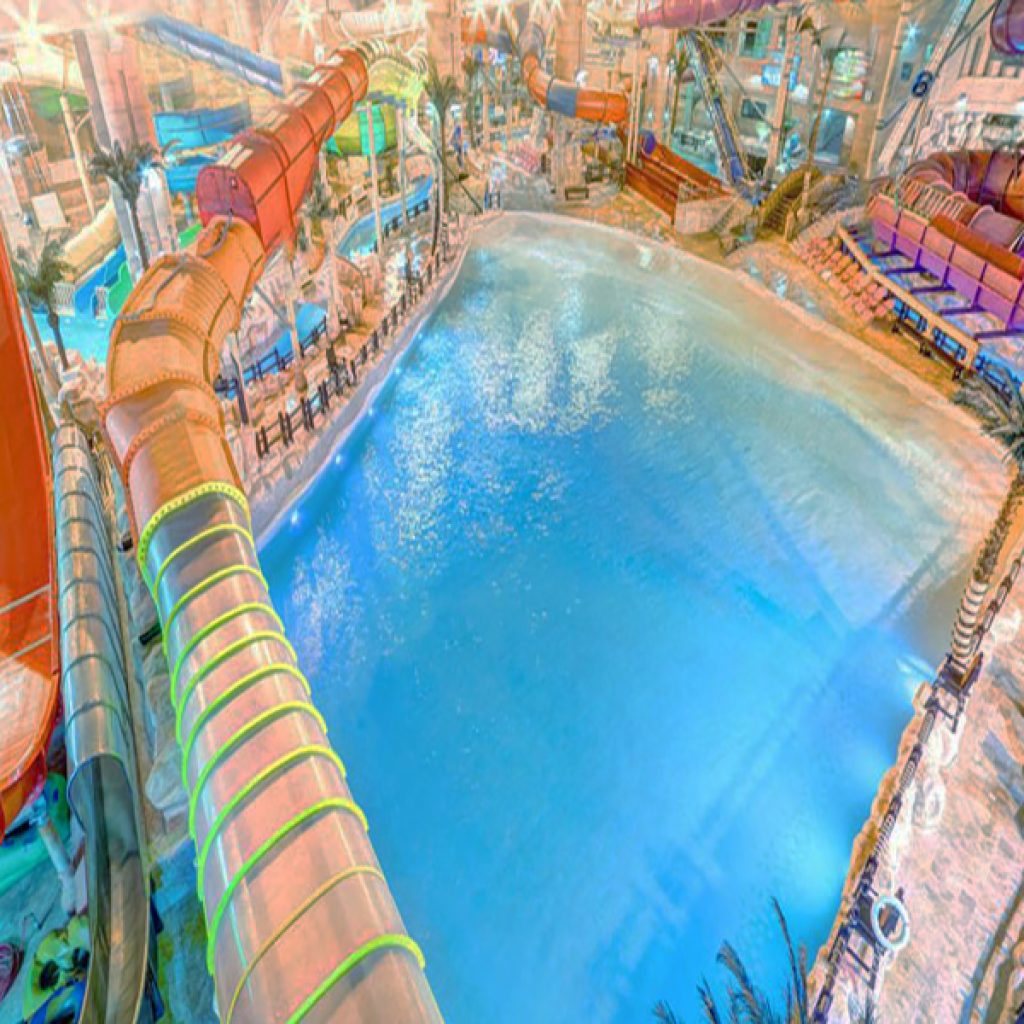
Mashhad Aqua Parks
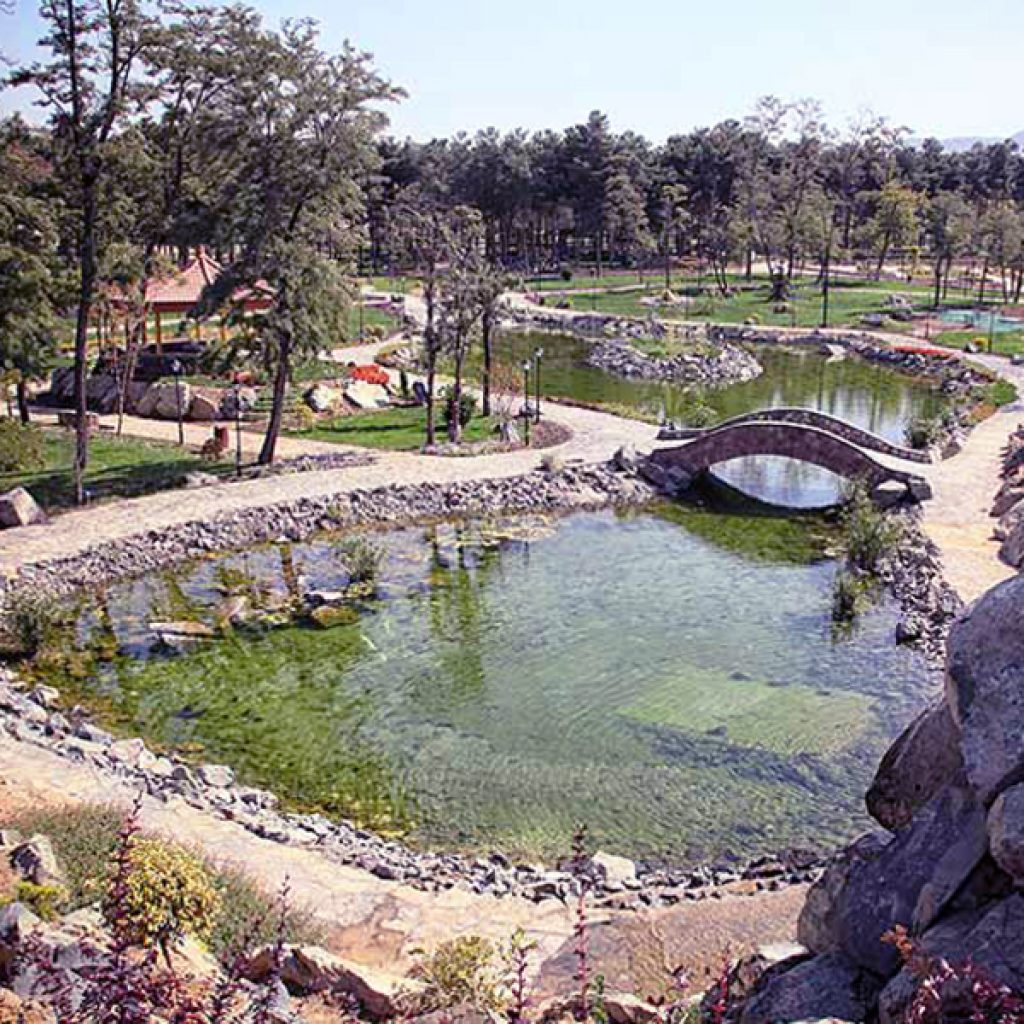
Mashhad Botanical Garden
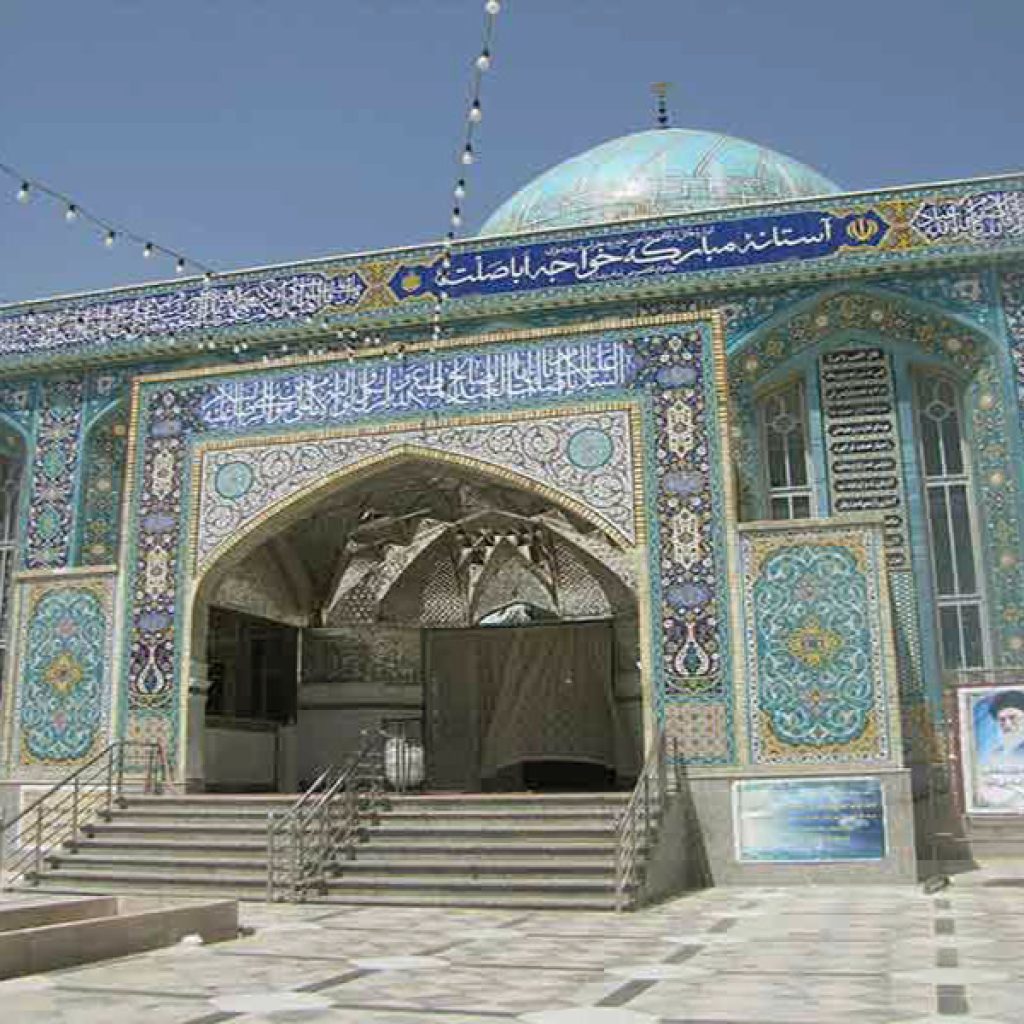
Khajeh Aba Salt Shrine
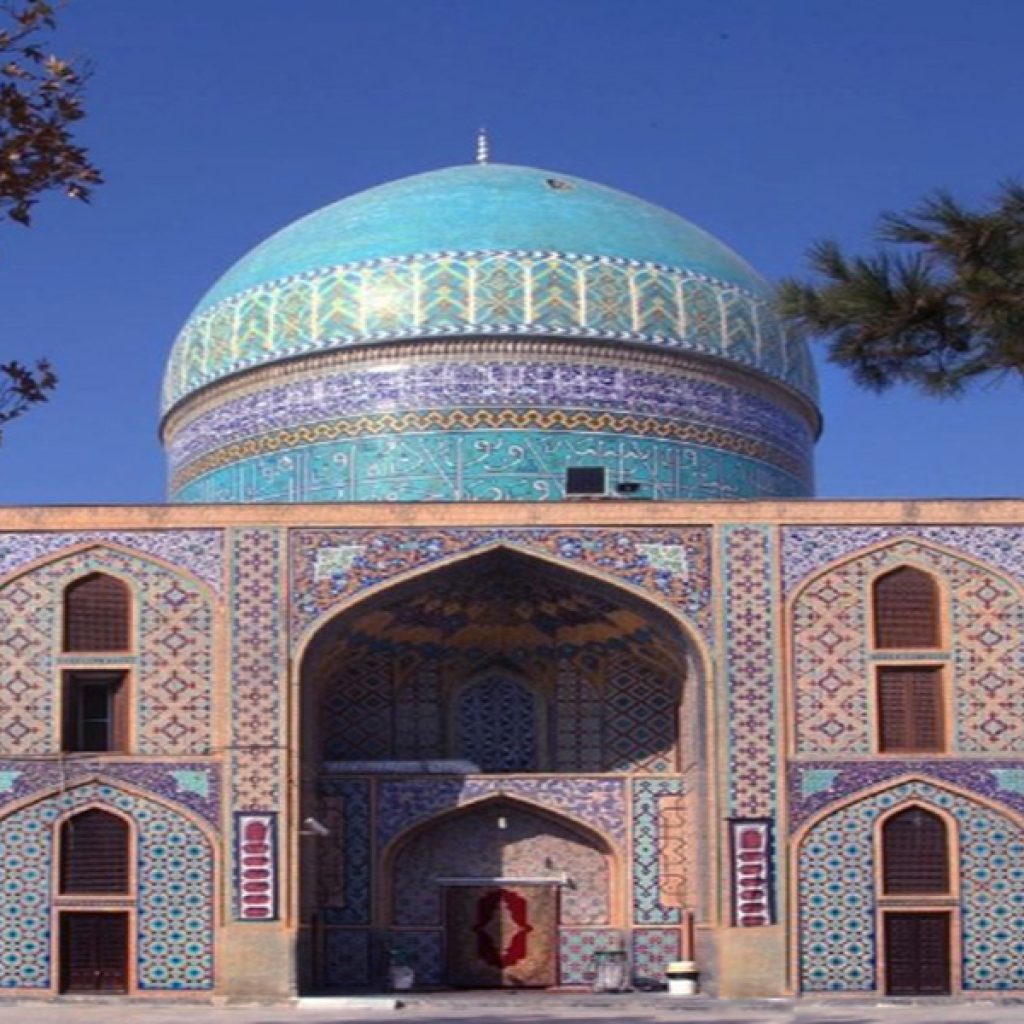
Tomb of Khajeh Rabi
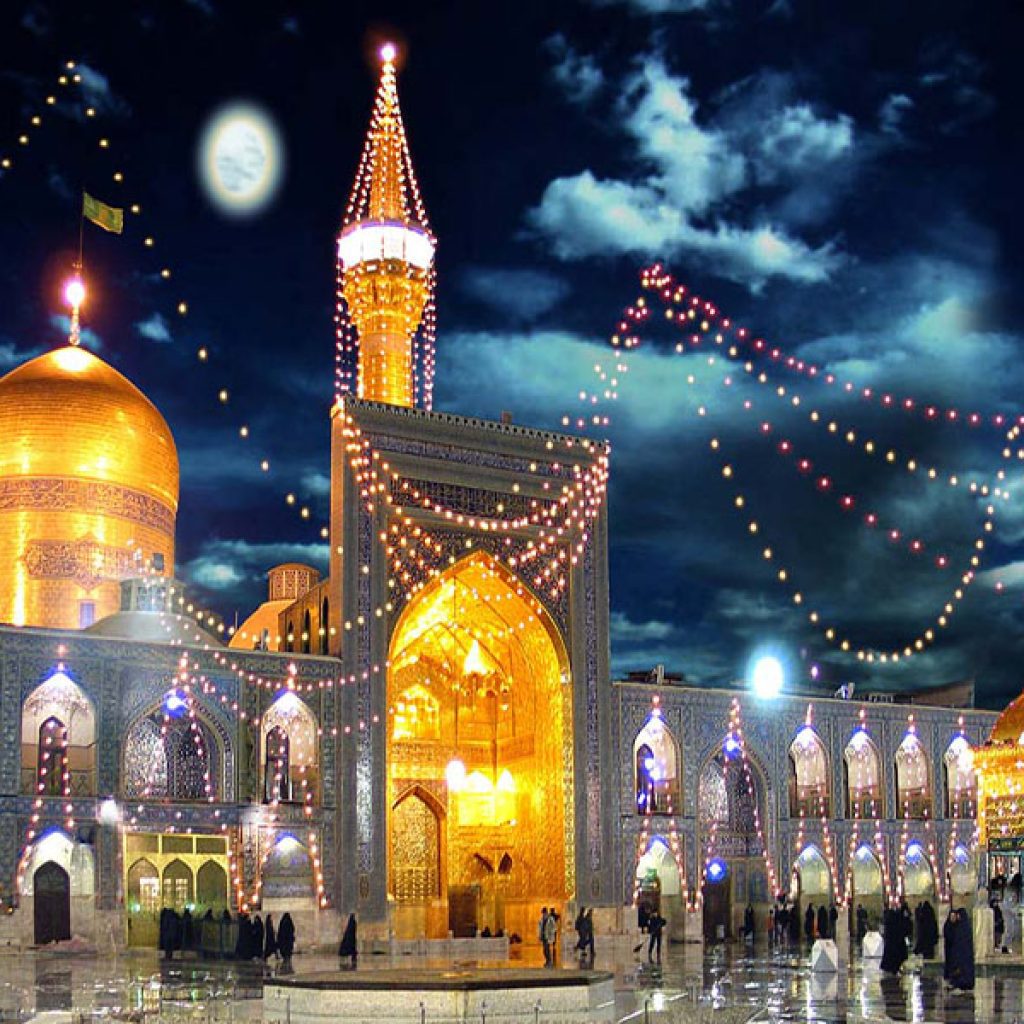
Imam Reza Holy Shrine Complex
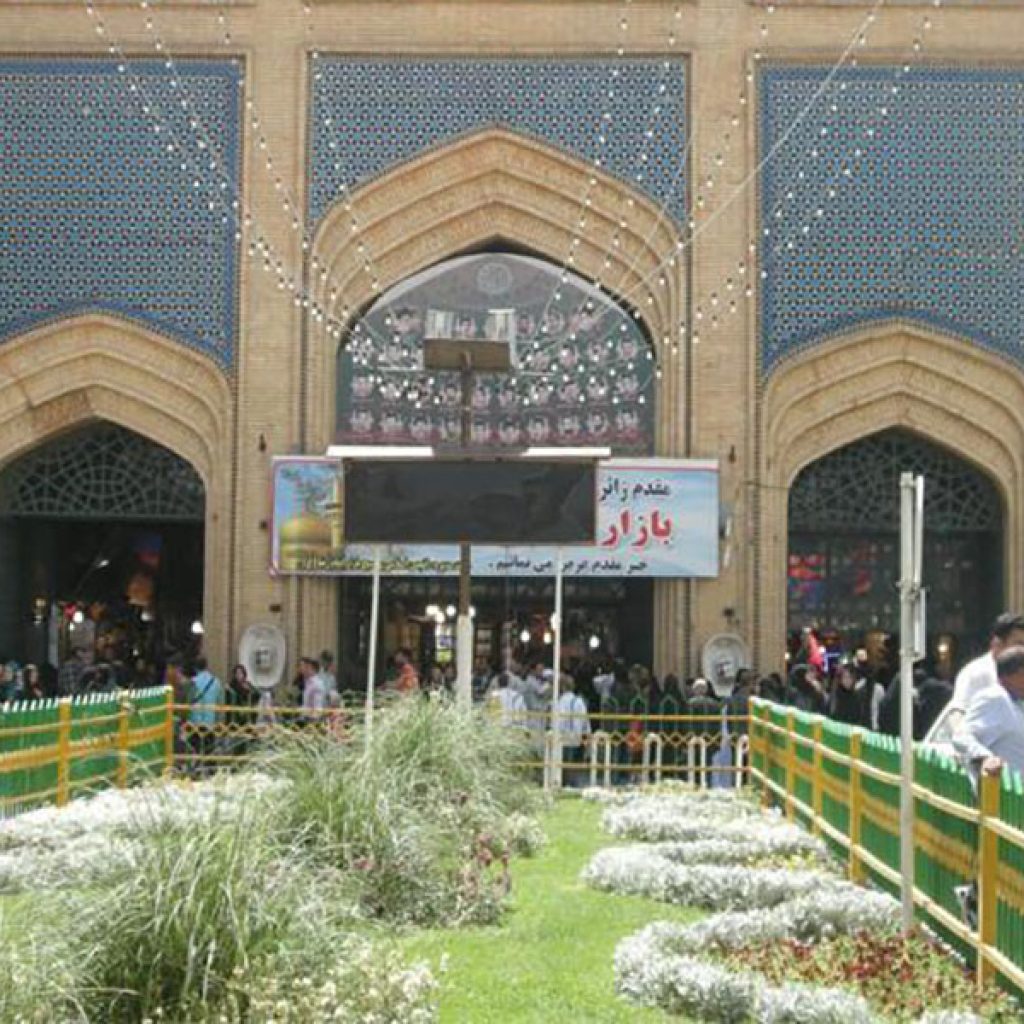
Bazar Reza
Tehran, Tabriz, Bazargan Border, Erzurum, Uzundere, Artvin, Hopa, Rize, Trabzon