Kashan: Historic Houses, Persian Gardens, and Living Traditions

Located in Isfahan Province, on the edge of Iran’s central desert region, Kashan is a historic city known for its traditional architecture, Persian gardens, fine carpets, and long-standing craft traditions. Situated between the surrounding mountain ranges and the Dasht-e Kavir desert, the city has developed a distinctive character shaped by its dry climate, limited water resources, and rich cultural heritage.

Kashan is an important destination for travelers exploring central Iran, particularly those journeying between Tehran and Isfahan. Its historic houses, traditional bazaar, atmospheric bathhouses, and carefully designed gardens offer an insight into the architectural and cultural life of the region.

A City of Crafts and Traditions

For centuries, Kashan has been known for fine craftsmanship, especially carpet weaving, pottery, ceramics, and decorative tilework. Traditional carpet weaving remains an important part of the city’s cultural identity, with knowledge and techniques passed down through generations. The city’s historic reputation for ceramic production is also reflected in the Persian word kashi, commonly associated with its name and its tradition of fine tilework.

Kashan’s cultural heritage extends beyond its buildings and crafts. Nearby communities continue to preserve traditional ceremonies and local customs, including the Qalishuyan rituals of Mashhad-e Ardehal, which honour the memory of Soltan Ali. UNESCO recognizes this ceremony as part of the Intangible Cultural Heritage of Humanity.

Tappeh Sialk: A Window into Prehistoric Iran

A few kilometres southwest of Kashan lies Tappeh Sialk, one of Iran’s most significant prehistoric archaeological sites. The site consists of two ancient mounds where excavations have revealed evidence of early settlement, pottery production, burial practices, and the development of increasingly complex communities over thousands of years.

Findings from Sialk provide valuable insight into the early history of human settlement on the Iranian Plateau. For visitors interested in archaeology and the ancient civilizations of Iran, the site offers a fascinating complement to Kashan’s later architectural heritage.

Kashan Through the Centuries

Kashan has experienced periods of growth, conflict, and renewal throughout its history. Following the Arab conquest of Iran, the city developed further during the medieval Islamic period. Like many settlements in the region, it was affected by the Mongol invasions before experiencing renewed prosperity under later dynasties, particularly the Safavids.

The Safavid period contributed significantly to Kashan’s architectural development, while the Qajar era left a remarkable legacy of richly decorated traditional houses. These residences, built by prosperous merchant families, are known for their courtyards, intricate plasterwork, stained-glass windows, painted ceilings, and ingenious approaches to ventilation and climate control.

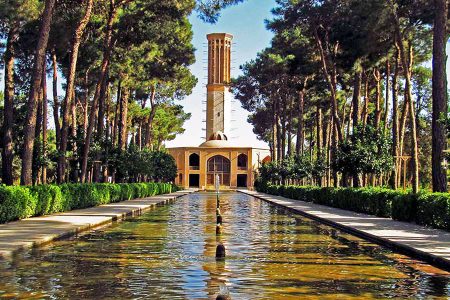
Fin Garden, one of Kashan’s best-known landmarks, reflects the evolution of Persian garden design. Its formal layout, water channels, pools, pavilions, and historic buildings demonstrate how architecture and water management were brought together in an arid environment. The garden is part of the UNESCO World Heritage property known as The Persian Garden.

Today, many of Kashan’s historic residences have been restored and adapted for cultural visits, museums, and traditional accommodation. They allow visitors to experience the architectural details and domestic spaces that once shaped life in the city.

When to Visit Kashan?

Spring and autumn are generally the most comfortable seasons to explore Kashan. Spring brings milder temperatures and is particularly appealing during the rosewater-making season in the surrounding region. Autumn also offers pleasant conditions for walking through historic neighbourhoods, visiting traditional houses, and exploring the city’s architectural landmarks.

Summer can be very hot because of Kashan’s desert-edge climate, while winter temperatures can be cold, especially at night. Visitors should check the forecast and plan outdoor activities accordingly.

What to Visit Kashan?

Fin Garden (Bagh-e Fin) is one of the finest examples of traditional Persian garden design. Developed in its present form during the Safavid period and modified in later centuries, it combines geometric pathways, flowing water, pools, pavilions, and mature trees in a carefully planned landscape.

The garden’s water system and architectural features illustrate how Persian gardens created a place of shade and tranquillity in a dry climate. Fin Garden is included in UNESCO’s World Heritage listing for The Persian Garden and is one of the essential stops on a visit to Kashan.

Kashan’s historic bazaar offers a glimpse into the city’s commercial and social history. Its covered passageways connect shops with traditional architectural spaces, including caravanserais, mosques, and bathhouses. Visitors can explore local crafts, observe the rhythm of traditional trade, and appreciate the architectural details of a complex that developed over many generations.

Sultan Amir Ahmad Bathhouse is a notable example of traditional Persian bathhouse architecture. Its decorated interiors feature colourful tiles, plasterwork, painted details, and carefully designed domed spaces. The rooftop, with its distinctive domes and views across the surrounding historic neighbourhood, is another reason this monument attracts visitors.

Tabatabaei House is one of Kashan’s celebrated historic merchant residences. Its design centres on courtyards and carefully arranged interior spaces, while decorative plasterwork, stained-glass windows, and painted details demonstrate the skill of the craftsmen who worked on the building. The house offers a closer look at the architectural traditions of affluent families during the Qajar period.

Boroujerdi House is renowned for its elegant courtyards, detailed ornamentation, and distinctive windcatchers. Built for a prosperous merchant family during the Qajar period, the residence combines practical features suited to the local climate with elaborate architectural decoration. Its interior spaces reveal the importance of craftsmanship, privacy, and environmental design in traditional Kashani homes.

Abbasian House is a historic residential complex distinguished by its interconnected courtyards and richly decorated interiors. Its architectural details include ornamental plasterwork, painted ceilings, and traditional spatial arrangements designed around family life and the local climate. Exploring the complex helps visitors understand the variety and sophistication of Kashan’s historic domestic architecture.

Tappeh Sialk: for travellers interested in archaeology, Tappeh Sialk provides a connection to the region’s much earlier past. Located outside the historic city, this prehistoric settlement contains evidence of communities that lived in the area thousands of years ago. It is a valuable addition to an itinerary that combines Kashan’s traditional architecture with the ancient history of central Iran.

Discover Kashan with Kiasuntours

Kashan offers more than a collection of historic monuments. Its gardens, traditional houses, craft heritage, and nearby archaeological sites reveal the many layers of Iranian history and everyday life. Exploring the city with Kiasun Tours provides an opportunity to discover these cultural landmarks while gaining a deeper understanding of the traditions that continue to shape the region.

Where To See In Kashan?

Iran Tour Packages

Biking in Turkey

Tehran, Tabriz, Bazargan Border, Erzurum, Uzundere, Artvin, Hopa, Rize, Trabzon

Desert and Historical Tour

Cultural, Historic and Heritages – 26 Days Tour

Medical Tour

Beauties of Qeshm Geopark

Sea to Desert Tour

North of Iran

Desert Tour

Damavand Climbing Tour

Classic Route – 10 Days